Vearter S644D 6-inch HCS Reciprocating Saw Blades (5-Pack)
Official Store Deal
Expert Analysis Overview
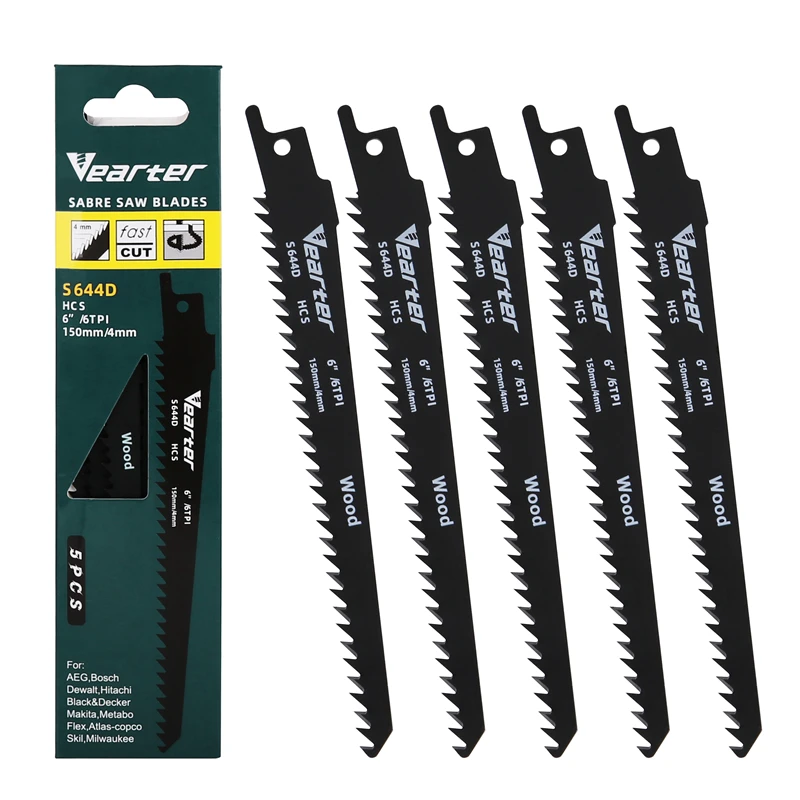
The Vearter S644D reciprocating saw blades are a high-carbon steel cutting solution engineered for efficient wood and PVC processing. This 5-piece set provides a practical and economical option for users engaged in general demolition, pruning, and pipe cutting tasks. The design prioritizes rapid material removal and consistent performance across its intended applications, distinguishing itself from more specialized, higher-cost alternatives.
The Vearter S644D blades are constructed from High Carbon Steel (HCS). This material choice is fundamental to their performance profile. HCS offers a balance of hardness and flexibility, crucial for reciprocating saw blades that endure significant impact and bending forces during operation. It is a cost-effective material.
Unlike bi-metal blades, which combine HCS with high-speed steel (HSS) for enhanced metal-cutting capabilities, these pure HCS blades are optimized for softer materials. This specific composition allows for a sharper, more aggressive tooth geometry that excels in wood and plastics. The material resists fracturing under the dynamic stresses of reciprocating action.
For tasks involving wood and PVC, HCS provides sufficient wear resistance. It maintains a keen edge through numerous cuts. This material choice directly impacts the blade's longevity and cutting efficiency in its designated applications, offering a reliable alternative to more expensive, over-engineered blades for these specific materials.
These blades feature a 6 Teeth Per Inch (TPI) configuration. This tooth count is considered coarse for saw blades. A lower TPI count means larger teeth. Larger teeth remove more material per stroke.
This coarse tooth pattern is ideal for fast, aggressive cutting in wood and PVC. It facilitates quick material removal, which is particularly beneficial for demolition work, pruning branches, or rapidly cutting through plastic pipes. The sharp ground teeth are designed for efficient material penetration.
The blade design also incorporates a large gullet. This is the space between the teeth. A large gullet is critical for effective chip ejection. When cutting wood, especially green wood or thicker timber, a significant amount of sawdust and chips is generated. If these chips are not efficiently cleared from the cutting path, they can clog the blade, leading to increased friction, heat buildup, and reduced cutting efficiency. The large gullet ensures continuous, unimpeded cutting action, preventing blade binding and maintaining optimal performance.
The Vearter S644D blades are explicitly designed for wood and PVC. Their 6 TPI configuration makes them highly effective for rough cuts in timber. They excel in outdoor trimming tasks. The aggressive tooth pattern allows for quick severance of branches, making pruning faster and less labor-intensive.
When cutting plastic pipes, such as PVC, the blades deliver precise and smooth results. The HCS material and tooth geometry prevent excessive melting or gumming of the plastic, which can be an issue with blades not suited for the material. This ensures clean cuts without significant burring, reducing post-cutting cleanup. The blades cut through PVC cleanly.
Compared to general-purpose blades that attempt to cut a wide range of materials, these specialized HCS blades offer superior performance for wood and PVC. They provide a focused capability. This specialization translates into faster cutting speeds and a longer effective lifespan when used within their intended material range, offering a clear advantage for users whose primary tasks involve these specific materials.
The High Carbon Steel construction contributes significantly to the blade's durability. While not as hard as carbide-tipped blades, HCS offers excellent toughness. This toughness allows the blades to withstand the impact and flexing inherent in reciprocating saw operation without premature breakage. The material resists bending.
For wood and PVC applications, the wear resistance of HCS is more than adequate. The blades maintain their sharpness over many cuts, reducing the frequency of blade changes. This translates into greater efficiency and lower operational costs over time. Proper use extends blade life.
Users can expect a long service life from these blades when they are used for their intended purpose. Avoiding harder materials like metals, especially hardened steel, will prevent premature dulling or tooth damage. The robust design ensures consistent performance through demanding tasks, making them a reliable choice for regular use in appropriate materials.
This Vearter S644D set is designed for broad compatibility. The universal shank fits most major reciprocating saw brands. This includes popular models from Bosch, Makita, and Dewalt. This wide compatibility ensures that a broad range of users can integrate these blades into their existing toolkits without concern for fitment issues. It simplifies blade selection.
The offering of a 5-piece set provides excellent value. Users receive multiple blades, ensuring they have spares on hand for extended projects or replacements. This bulk purchase reduces the cost per blade, making it an economical choice for both DIY enthusiasts and professionals who frequently work with wood and PVC. The set is cost-effective.
Considering the performance for wood and PVC, coupled with the HCS material and broad compatibility, these blades represent a strong value proposition. They offer a focused, high-performance solution for specific cutting tasks without the premium price associated with multi-material or specialized carbide blades. This makes them an intelligent investment for targeted applications.
The design of these blades directly translates into operational efficiency. The aggressive 6 TPI teeth and large gullet ensure fast and labor-saving cuts. This reduces the time and effort required to complete tasks, enhancing productivity. Users experience less fatigue.
The ease of wood chip removal is a significant factor in maintaining cutting efficiency. By preventing chip buildup, the blades cut more smoothly and with less resistance. This not only speeds up the cutting process but also reduces strain on the saw motor, potentially extending the life of the power tool itself. Smooth cutting is a key benefit.
Imagine effortlessly slicing through thick branches during yard cleanup, the saw blade biting deep with each stroke, clearing debris as it goes. Picture the satisfaction of making rapid, clean cuts through PVC pipes for a plumbing project, knowing the blade is optimized for the task. These blades empower users to tackle common cutting challenges with confidence and speed, transforming tedious tasks into manageable operations. The consistent performance allows for a focus on the task at hand, rather than battling with an underperforming blade, ultimately saving time and effort on every project.
Material Science: The High Carbon Steel Advantage
The Vearter S644D blades are constructed from High Carbon Steel (HCS). This material choice is fundamental to their performance profile. HCS offers a balance of hardness and flexibility, crucial for reciprocating saw blades that endure significant impact and bending forces during operation. It is a cost-effective material.
Unlike bi-metal blades, which combine HCS with high-speed steel (HSS) for enhanced metal-cutting capabilities, these pure HCS blades are optimized for softer materials. This specific composition allows for a sharper, more aggressive tooth geometry that excels in wood and plastics. The material resists fracturing under the dynamic stresses of reciprocating action.
For tasks involving wood and PVC, HCS provides sufficient wear resistance. It maintains a keen edge through numerous cuts. This material choice directly impacts the blade's longevity and cutting efficiency in its designated applications, offering a reliable alternative to more expensive, over-engineered blades for these specific materials.
Tooth Geometry and Cutting Dynamics
These blades feature a 6 Teeth Per Inch (TPI) configuration. This tooth count is considered coarse for saw blades. A lower TPI count means larger teeth. Larger teeth remove more material per stroke.
This coarse tooth pattern is ideal for fast, aggressive cutting in wood and PVC. It facilitates quick material removal, which is particularly beneficial for demolition work, pruning branches, or rapidly cutting through plastic pipes. The sharp ground teeth are designed for efficient material penetration.
The blade design also incorporates a large gullet. This is the space between the teeth. A large gullet is critical for effective chip ejection. When cutting wood, especially green wood or thicker timber, a significant amount of sawdust and chips is generated. If these chips are not efficiently cleared from the cutting path, they can clog the blade, leading to increased friction, heat buildup, and reduced cutting efficiency. The large gullet ensures continuous, unimpeded cutting action, preventing blade binding and maintaining optimal performance.
Performance Across Applications
The Vearter S644D blades are explicitly designed for wood and PVC. Their 6 TPI configuration makes them highly effective for rough cuts in timber. They excel in outdoor trimming tasks. The aggressive tooth pattern allows for quick severance of branches, making pruning faster and less labor-intensive.
When cutting plastic pipes, such as PVC, the blades deliver precise and smooth results. The HCS material and tooth geometry prevent excessive melting or gumming of the plastic, which can be an issue with blades not suited for the material. This ensures clean cuts without significant burring, reducing post-cutting cleanup. The blades cut through PVC cleanly.
Compared to general-purpose blades that attempt to cut a wide range of materials, these specialized HCS blades offer superior performance for wood and PVC. They provide a focused capability. This specialization translates into faster cutting speeds and a longer effective lifespan when used within their intended material range, offering a clear advantage for users whose primary tasks involve these specific materials.
Durability and Longevity Considerations
The High Carbon Steel construction contributes significantly to the blade's durability. While not as hard as carbide-tipped blades, HCS offers excellent toughness. This toughness allows the blades to withstand the impact and flexing inherent in reciprocating saw operation without premature breakage. The material resists bending.
For wood and PVC applications, the wear resistance of HCS is more than adequate. The blades maintain their sharpness over many cuts, reducing the frequency of blade changes. This translates into greater efficiency and lower operational costs over time. Proper use extends blade life.
Users can expect a long service life from these blades when they are used for their intended purpose. Avoiding harder materials like metals, especially hardened steel, will prevent premature dulling or tooth damage. The robust design ensures consistent performance through demanding tasks, making them a reliable choice for regular use in appropriate materials.
Compatibility and Value Proposition
This Vearter S644D set is designed for broad compatibility. The universal shank fits most major reciprocating saw brands. This includes popular models from Bosch, Makita, and Dewalt. This wide compatibility ensures that a broad range of users can integrate these blades into their existing toolkits without concern for fitment issues. It simplifies blade selection.
The offering of a 5-piece set provides excellent value. Users receive multiple blades, ensuring they have spares on hand for extended projects or replacements. This bulk purchase reduces the cost per blade, making it an economical choice for both DIY enthusiasts and professionals who frequently work with wood and PVC. The set is cost-effective.
Considering the performance for wood and PVC, coupled with the HCS material and broad compatibility, these blades represent a strong value proposition. They offer a focused, high-performance solution for specific cutting tasks without the premium price associated with multi-material or specialized carbide blades. This makes them an intelligent investment for targeted applications.
Operational Efficiency and User Experience
The design of these blades directly translates into operational efficiency. The aggressive 6 TPI teeth and large gullet ensure fast and labor-saving cuts. This reduces the time and effort required to complete tasks, enhancing productivity. Users experience less fatigue.
The ease of wood chip removal is a significant factor in maintaining cutting efficiency. By preventing chip buildup, the blades cut more smoothly and with less resistance. This not only speeds up the cutting process but also reduces strain on the saw motor, potentially extending the life of the power tool itself. Smooth cutting is a key benefit.
Imagine effortlessly slicing through thick branches during yard cleanup, the saw blade biting deep with each stroke, clearing debris as it goes. Picture the satisfaction of making rapid, clean cuts through PVC pipes for a plumbing project, knowing the blade is optimized for the task. These blades empower users to tackle common cutting challenges with confidence and speed, transforming tedious tasks into manageable operations. The consistent performance allows for a focus on the task at hand, rather than battling with an underperforming blade, ultimately saving time and effort on every project.