U-Type Docking Wire Terminals
Official Store Deal
Expert Analysis Overview
Precision Connections for Solar Systems
The U-Type Docking Terminals are essential, high-efficiency electrical connectors tailored for DIY solar enthusiasts and off-grid system builders. These terminals offer a robust solution for securing wire connections, which is paramount for maintaining system integrity and minimizing energy loss in renewable energy applications. The design focuses on creating a reliable, low-resistance splice, a critical factor often overlooked in hobbyist setups.
Engineering for Electrical Continuity
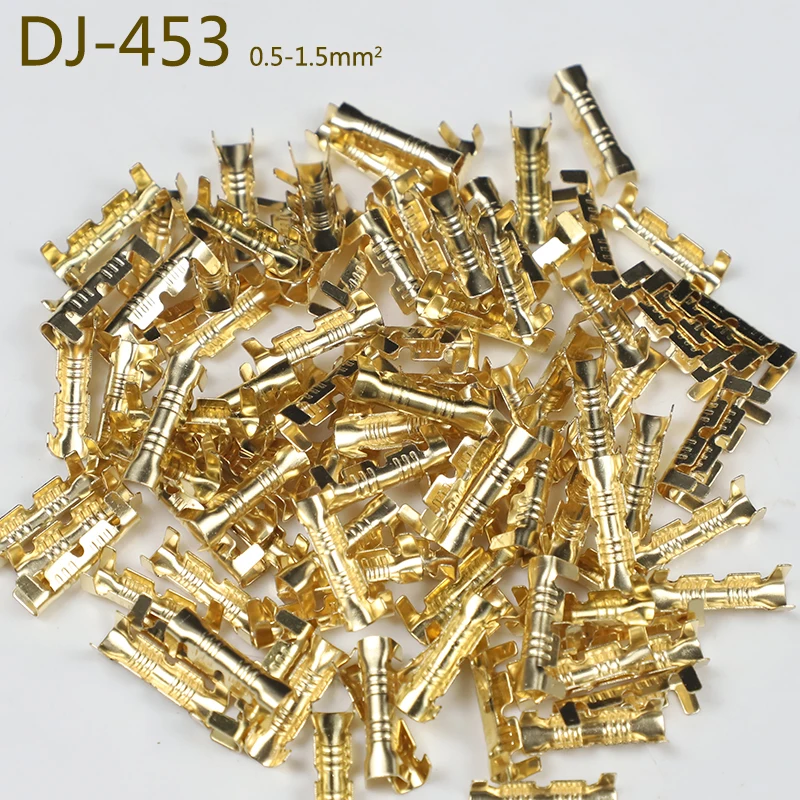
Visible in the product imagery, these terminals feature a gold-colored metallic construction, indicative of brass with a protective plating. This material choice is significant; brass offers excellent electrical conductivity, ensuring minimal voltage drop across the connection point. Gold plating, even a thin layer, enhances corrosion resistance, which is vital for electrical components, especially in environments where humidity or temperature fluctuations are common. A good connection is key.
The crimping mechanism is designed to encapsulate the wire securely. The U-shape allows for a direct, inline splice, effectively extending or repairing existing wiring. This direct contact minimizes potential points of failure, a common issue with less secure connection methods. Proper crimping ensures a gas-tight seal.
Compared to traditional methods like twisting wires together and insulating with tape, or even soldering without proper strain relief, these docking terminals provide a mechanically sound and electrically stable connection. This stability translates directly into a more reliable solar power system, reducing the need for future maintenance or troubleshooting due to intermittent power flow.
Versatile Wire Gauge Compatibility
The product title and images clearly indicate compatibility with a range of wire gauges: 0.3 to 1.5mm² (DJ-453), 1.0 to 2.5mm² (DJ-454B), and 2.5 to 6mm² (DJ-454C). This broad spectrum covers common wiring sizes encountered in small to medium-scale solar energy projects, from connecting individual solar panels to charge controllers, or wiring up battery banks.
Selecting the correct terminal size for the wire gauge is non-negotiable for safety and performance. Using an undersized terminal can lead to overheating and potential fire hazards, while an oversized terminal will not provide a secure crimp, resulting in a high-resistance connection. The availability of multiple sizes within this product offering allows for precise matching to specific wiring requirements.
Generic connectors often offer a limited range, forcing users to compromise on fit. These terminals, by clearly delineating compatibility across different models, allow solar hobbyists to select the exact component needed for optimal current flow and safety. This precision prevents efficiency losses.
Enhancing Solar System Efficiency
In a solar energy system, every component contributes to the overall efficiency. Poor electrical connections are a significant, yet often invisible, source of power loss. A high-resistance connection generates heat, dissipating energy that should be flowing to the load or battery bank. These U-type terminals, when properly installed, create a low-resistance pathway.
The metallic composition and crimp design are engineered to maximize surface contact between the wire and the terminal. This extensive contact area reduces the electrical resistance, ensuring that the maximum possible current is transferred with minimal energy waste. This is crucial for maximizing the output of solar panels.
Unlike makeshift splices that can degrade over time due to oxidation or vibration, these terminals provide a consistent, stable connection. This stability ensures that the calculated efficiency of a solar array remains consistent, preventing unexpected drops in power output. Reliable connections are paramount.
Durability and Environmental Resilience
Solar energy systems are frequently installed outdoors, exposing components to a variety of environmental stressors, including moisture, temperature extremes, and UV radiation. The gold-colored plating on these terminals is a key feature for durability, offering enhanced resistance to oxidation and corrosion.
Corrosion on electrical contacts leads to increased resistance, which degrades performance and can eventually lead to connection failure. By utilizing materials and coatings designed to withstand these conditions, the terminals contribute to the long-term reliability and lifespan of the entire solar setup. Components must endure.
While these terminals are not inherently waterproof, their corrosion-resistant properties make them suitable for use within weather-sealed enclosures or junction boxes commonly found in solar installations. Proper enclosure practices, combined with robust connectors, ensure the longevity of the electrical infrastructure. This extends system life.
Streamlined Installation for DIY Projects
The design of these U-type terminals simplifies the process of creating secure wire splices. For solar energy hobbyists, ease of installation without compromising on quality is a significant advantage. The open-barrel design allows for easy wire insertion before crimping.
Installation typically requires a dedicated crimping tool, which applies uniform pressure to deform the terminal around the wire. This process creates a cold weld, forming a strong mechanical and electrical bond. The visual cues of a properly crimped terminal are clear, allowing for quick inspection and verification of connection quality. Accuracy is important.
Compared to soldering, which requires heat, flux, and a steady hand, crimping offers a faster, cleaner, and often more consistent method for creating secure connections, especially for those new to electrical work. This reduces the barrier to entry for building complex solar systems. The process is straightforward.
Safety and System Integrity
Electrical safety is paramount in any wiring project, especially with DC systems common in solar applications. Incorrectly made connections can lead to short circuits, ground faults, and fire hazards. These terminals, when used correctly, significantly enhance the safety profile of a solar installation.
By providing a secure, insulated connection (when combined with appropriate heat shrink or electrical tape), the risk of accidental contact or shorting is greatly reduced. The mechanical strength of a crimped connection also prevents wires from pulling out, maintaining the integrity of the circuit under vibration or strain. Safety is non-negotiable.
Unlike loose wire nuts or uninsulated splices, these terminals contribute to a professional and safe wiring harness. This attention to detail not only protects the equipment but, more importantly, safeguards the user and the surrounding environment from electrical hazards. Every connection matters for safety.
The Economic Advantage of Quality Terminals
While the initial cost of quality terminals might seem higher than basic alternatives, the long-term economic benefits are substantial. Investing in reliable connectors prevents costly system failures, troubleshooting time, and potential damage to more expensive components like charge controllers or inverters.
Considering the potential for efficiency losses from poor connections, the slight upfront cost of these terminals is quickly recouped through optimized power generation and reduced energy waste. A few cents saved on a terminal can translate into dollars lost in system performance over time. Smart investment pays off.
Furthermore, the bulk packaging options (50pcs, 100pcs, 200pcs) make these terminals an economical choice for hobbyists or small businesses undertaking multiple solar projects. Stocking up ensures availability for various tasks, preventing delays and additional shipping costs. This offers true value.
Imagine a solar setup operating at peak efficiency, silently generating power, free from the worries of intermittent connections or hidden losses. These U-type docking terminals provide the foundational reliability for such a system, ensuring every watt generated by the sun reaches its intended destination. This allows for focus on energy independence, not connection failures. A well-built system provides peace of mind, knowing that the investment in solar technology is protected by robust, professional-grade electrical connections. This enables the full potential of renewable energy projects to be realized, supporting a truly self-sustaining energy future.