TZT PC817 Optocoupler
Official Store Deal
Expert Analysis Overview
The TZT PC817 Optocoupler is a foundational signal isolation component engineered for reliable and safe operation in sensitive electronic circuits. This component is not merely a piece of silicon; it is a critical safeguard, ensuring that control signals remain pristine and power surges are contained. For anyone constructing a robust electronic system, from workshop automation to smart home integrations, understanding the role of such a component is paramount.
An optocoupler, often referred to as an opto-isolator, serves a vital purpose: it creates an electrical barrier between two circuits while allowing signals to pass between them. This isolation is achieved using light. An infrared LED on the input side converts an electrical signal into light, which is then detected by a phototransistor on the output side, converting it back into an electrical signal. This optical link ensures no direct electrical connection exists, effectively preventing ground loops, common-mode noise, and high-voltage transients from crossing over.
This fundamental principle is crucial for protecting sensitive low-voltage control circuits, like those found in microcontrollers, from the potentially damaging effects of higher voltage power circuits or noisy industrial environments. The PC817 series is a workhorse in this regard. It provides a clean, predictable signal path.
Compared to simple resistive or capacitive coupling, optical isolation offers superior protection against voltage differentials and transient events. It’s the digital equivalent of a sturdy, well-built wall, keeping distinct electrical domains separate and secure. This separation is not just about functionality; it is about safety and longevity for the entire system.
The PC817 optocoupler is designed for general-purpose applications, offering a balance of performance and cost-effectiveness. Its key operational characteristic is the Current Transfer Ratio (CTR), which describes the efficiency of signal transfer. For the PC817C variant, the CTR typically falls within the 200-400% range, meaning the output current can be 2 to 4 times the input current under specific conditions. This range makes it suitable for driving various loads directly or interfacing with logic gates.
Effective isolation voltage is another critical specification. The PC817 series commonly offers an isolation voltage of up to 5000Vrms. This high rating ensures that even significant voltage differences between the input and output circuits will not compromise the integrity of the isolation barrier. It protects against dangerous electrical faults.
While not designed for high-speed data communication, the PC817 offers adequate switching speeds for many control applications, such as switching relays, driving MOSFETs, or isolating digital I/O lines. Its response time is sufficient for most industrial control and automation tasks where signal integrity and safety outweigh nanosecond-level switching requirements. This component is reliable.
Unlike faster, more complex digital isolators that might use capacitive or magnetic coupling, the optical method of the PC817 provides inherent immunity to electromagnetic interference (EMI). This makes it a dependable choice in environments where electrical noise is a concern, ensuring that control signals remain unambiguous and free from corruption. The signals stay clean.
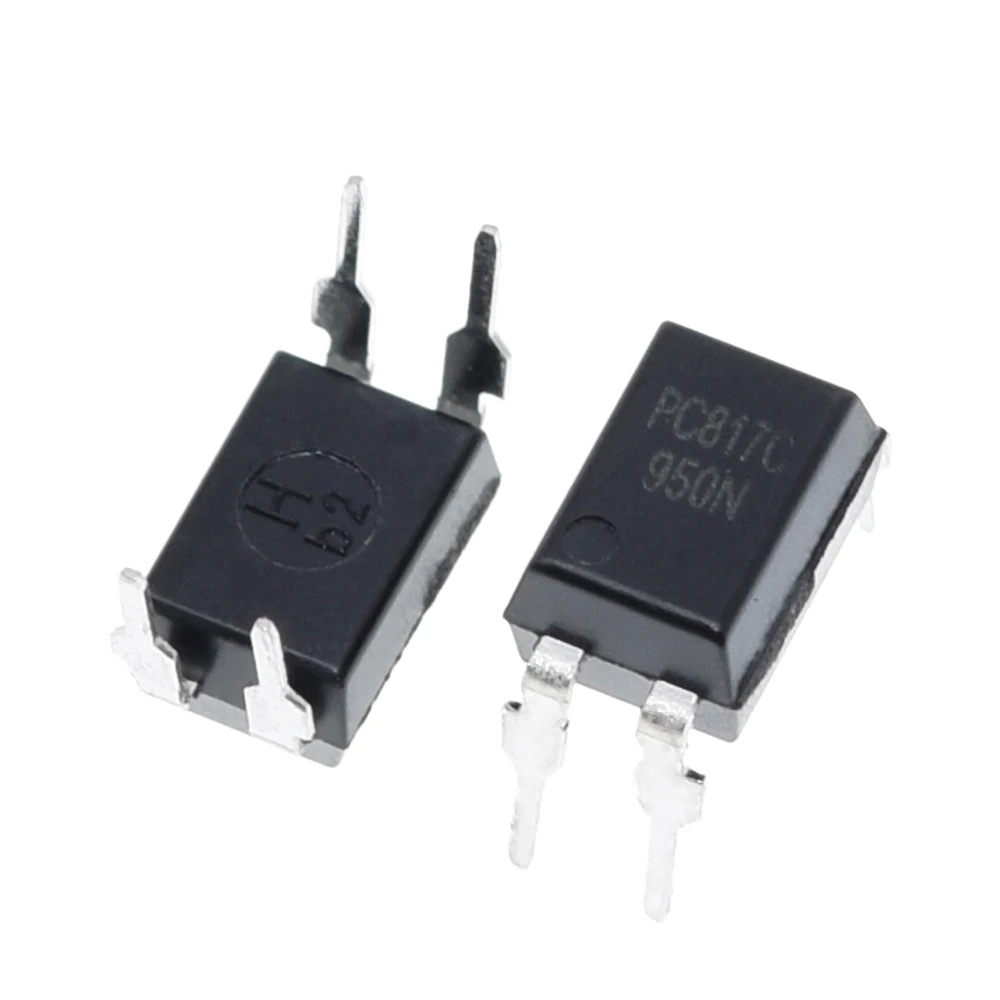
The PC817 comes in a standard DIP-4 (Dual In-line Package, 4 pins) form factor. This through-hole package simplifies integration into printed circuit boards (PCBs), making it a favorite among hobbyists and professional engineers alike for prototyping and production. The pinout is straightforward: two pins for the input LED and two for the output phototransistor. This common footprint ensures wide compatibility with existing board designs and breadboards.
Its compact size allows for efficient use of board space, even in densely packed electronic assemblies. The leads are robust enough for repeated handling during assembly and soldering, which is a practical consideration for any component that will be integrated into a larger system. This design is practical.
For a carpenter integrating electronics into a custom workbench control panel or a smart tool, the ease of mounting and wiring is a significant advantage. It means less time spent on intricate soldering and more time focusing on the overall system functionality. The straightforward nature of the DIP-4 package reduces the potential for wiring errors, contributing to a quicker and more reliable build process. It is easy to work with.
Many generic isolators might come in less common packages or with non-standard pin configurations, complicating design and sourcing. The ubiquity of the PC817 in its DIP-4 package ensures that replacement parts are readily available, and design resources are abundant. This standardization saves time and effort in the long run, a valuable trait for any builder.
The PC817 is known for its robust construction and long operational lifespan under specified conditions. The encapsulated design protects the internal LED and phototransistor from environmental factors such as dust and humidity, which can degrade performance over time. This protection contributes to the component's overall reliability in diverse applications. It holds up well.
Operating within its specified temperature range, typically -30°C to +100°C, the PC817 maintains consistent performance. This broad range makes it suitable for use in various indoor and moderately outdoor applications, from consumer electronics to industrial controls. The thermal stability ensures that the isolation barrier remains effective across different operating conditions.
Unlike brittle stock plastic clips that might crack under stress, these optocouplers are designed with a sturdy plastic housing that protects the delicate internal components. This physical resilience, combined with the electrical isolation, contributes to a system's overall durability. It is a small component, but its failure can lead to larger system issues, so its inherent reliability is a significant advantage. This component is trustworthy.
Cheaper, unbranded optocouplers might use lower-grade materials or less stringent manufacturing processes, leading to premature degradation of the LED or phototransistor, which can result in reduced CTR or even complete failure. The PC817, being a widely adopted industry standard, benefits from established quality control, offering predictable performance and a longer service life. This reduces the need for frequent maintenance or component replacement, saving time and resources over the life of the electronic project.
For a carpenter, precision is everything. Whether cutting wood to exact dimensions or controlling automated tools, accuracy dictates the quality of the final product. In modern workshops, electronics increasingly play a role in achieving this precision, from CNC machines to smart jigs. The PC817 optocoupler ensures that the delicate control signals from a microcontroller are precisely transferred to power-hungry actuators without interference. This precision is critical.
Imagine a scenario where a workshop dust collection system needs to be automatically triggered by a power tool. The PC817 can isolate the low-voltage sensor circuit from the high-voltage motor control circuit, ensuring that electrical noise from the motor doesn't disrupt the sensor's reading or damage the control board. This allows for reliable, automated operation, making the workshop more efficient and safer. It works without fail.
Similar to how a carpenter relies on a tape measure that can be read easily and accurately, the PC817 ensures that digital signals are transmitted clearly and unambiguously. There is no guesswork involved in the signal transfer. This clarity of signal prevents misfires or erratic behavior in automated systems, which could otherwise lead to costly errors or even safety hazards in a workshop environment. It delivers clear signals.
Unlike generic, unbranded isolators that might introduce latency or unpredictable signal degradation, the PC817 uses established optocoupling technology to ensure predictable and safe signal transfer. This consistency is vital for applications where timing and reliability are critical, such as controlling robotic arms for precise cuts or managing power distribution in a smart workshop. The component performs reliably every time.
This component ensures that the digital brains of a project communicate flawlessly with the brawn, maintaining the integrity of every command. Imagine the peace of mind knowing that your custom-built automated system will respond exactly as intended, every single time, without the risk of electrical interference or damage. This is the capability the PC817 brings to any electronic build, allowing for the creation of stable, predictable, and safe systems that empower precision and efficiency in any endeavor.
Bridging Electrical Divides: The Core Function
An optocoupler, often referred to as an opto-isolator, serves a vital purpose: it creates an electrical barrier between two circuits while allowing signals to pass between them. This isolation is achieved using light. An infrared LED on the input side converts an electrical signal into light, which is then detected by a phototransistor on the output side, converting it back into an electrical signal. This optical link ensures no direct electrical connection exists, effectively preventing ground loops, common-mode noise, and high-voltage transients from crossing over.
This fundamental principle is crucial for protecting sensitive low-voltage control circuits, like those found in microcontrollers, from the potentially damaging effects of higher voltage power circuits or noisy industrial environments. The PC817 series is a workhorse in this regard. It provides a clean, predictable signal path.
Compared to simple resistive or capacitive coupling, optical isolation offers superior protection against voltage differentials and transient events. It’s the digital equivalent of a sturdy, well-built wall, keeping distinct electrical domains separate and secure. This separation is not just about functionality; it is about safety and longevity for the entire system.
Robust Signal Guarding: Performance Under Load
The PC817 optocoupler is designed for general-purpose applications, offering a balance of performance and cost-effectiveness. Its key operational characteristic is the Current Transfer Ratio (CTR), which describes the efficiency of signal transfer. For the PC817C variant, the CTR typically falls within the 200-400% range, meaning the output current can be 2 to 4 times the input current under specific conditions. This range makes it suitable for driving various loads directly or interfacing with logic gates.
Effective isolation voltage is another critical specification. The PC817 series commonly offers an isolation voltage of up to 5000Vrms. This high rating ensures that even significant voltage differences between the input and output circuits will not compromise the integrity of the isolation barrier. It protects against dangerous electrical faults.
While not designed for high-speed data communication, the PC817 offers adequate switching speeds for many control applications, such as switching relays, driving MOSFETs, or isolating digital I/O lines. Its response time is sufficient for most industrial control and automation tasks where signal integrity and safety outweigh nanosecond-level switching requirements. This component is reliable.
Unlike faster, more complex digital isolators that might use capacitive or magnetic coupling, the optical method of the PC817 provides inherent immunity to electromagnetic interference (EMI). This makes it a dependable choice in environments where electrical noise is a concern, ensuring that control signals remain unambiguous and free from corruption. The signals stay clean.
Integration Simplicity: Design and Footprint
The PC817 comes in a standard DIP-4 (Dual In-line Package, 4 pins) form factor. This through-hole package simplifies integration into printed circuit boards (PCBs), making it a favorite among hobbyists and professional engineers alike for prototyping and production. The pinout is straightforward: two pins for the input LED and two for the output phototransistor. This common footprint ensures wide compatibility with existing board designs and breadboards.
Its compact size allows for efficient use of board space, even in densely packed electronic assemblies. The leads are robust enough for repeated handling during assembly and soldering, which is a practical consideration for any component that will be integrated into a larger system. This design is practical.
For a carpenter integrating electronics into a custom workbench control panel or a smart tool, the ease of mounting and wiring is a significant advantage. It means less time spent on intricate soldering and more time focusing on the overall system functionality. The straightforward nature of the DIP-4 package reduces the potential for wiring errors, contributing to a quicker and more reliable build process. It is easy to work with.
Many generic isolators might come in less common packages or with non-standard pin configurations, complicating design and sourcing. The ubiquity of the PC817 in its DIP-4 package ensures that replacement parts are readily available, and design resources are abundant. This standardization saves time and effort in the long run, a valuable trait for any builder.
Long-Term Circuit Stability: Durability and Longevity
The PC817 is known for its robust construction and long operational lifespan under specified conditions. The encapsulated design protects the internal LED and phototransistor from environmental factors such as dust and humidity, which can degrade performance over time. This protection contributes to the component's overall reliability in diverse applications. It holds up well.
Operating within its specified temperature range, typically -30°C to +100°C, the PC817 maintains consistent performance. This broad range makes it suitable for use in various indoor and moderately outdoor applications, from consumer electronics to industrial controls. The thermal stability ensures that the isolation barrier remains effective across different operating conditions.
Unlike brittle stock plastic clips that might crack under stress, these optocouplers are designed with a sturdy plastic housing that protects the delicate internal components. This physical resilience, combined with the electrical isolation, contributes to a system's overall durability. It is a small component, but its failure can lead to larger system issues, so its inherent reliability is a significant advantage. This component is trustworthy.
Cheaper, unbranded optocouplers might use lower-grade materials or less stringent manufacturing processes, leading to premature degradation of the LED or phototransistor, which can result in reduced CTR or even complete failure. The PC817, being a widely adopted industry standard, benefits from established quality control, offering predictable performance and a longer service life. This reduces the need for frequent maintenance or component replacement, saving time and resources over the life of the electronic project.
The Carpenter's Digital Assistant: Precision in Control
For a carpenter, precision is everything. Whether cutting wood to exact dimensions or controlling automated tools, accuracy dictates the quality of the final product. In modern workshops, electronics increasingly play a role in achieving this precision, from CNC machines to smart jigs. The PC817 optocoupler ensures that the delicate control signals from a microcontroller are precisely transferred to power-hungry actuators without interference. This precision is critical.
Imagine a scenario where a workshop dust collection system needs to be automatically triggered by a power tool. The PC817 can isolate the low-voltage sensor circuit from the high-voltage motor control circuit, ensuring that electrical noise from the motor doesn't disrupt the sensor's reading or damage the control board. This allows for reliable, automated operation, making the workshop more efficient and safer. It works without fail.
Similar to how a carpenter relies on a tape measure that can be read easily and accurately, the PC817 ensures that digital signals are transmitted clearly and unambiguously. There is no guesswork involved in the signal transfer. This clarity of signal prevents misfires or erratic behavior in automated systems, which could otherwise lead to costly errors or even safety hazards in a workshop environment. It delivers clear signals.
Unlike generic, unbranded isolators that might introduce latency or unpredictable signal degradation, the PC817 uses established optocoupling technology to ensure predictable and safe signal transfer. This consistency is vital for applications where timing and reliability are critical, such as controlling robotic arms for precise cuts or managing power distribution in a smart workshop. The component performs reliably every time.
This component ensures that the digital brains of a project communicate flawlessly with the brawn, maintaining the integrity of every command. Imagine the peace of mind knowing that your custom-built automated system will respond exactly as intended, every single time, without the risk of electrical interference or damage. This is the capability the PC817 brings to any electronic build, allowing for the creation of stable, predictable, and safe systems that empower precision and efficiency in any endeavor.