TOMZN Solar PV Combiner Box 600V
Official Store Deal
Expert Analysis Overview
The TOMZN Solar Photovoltaic PV Combiner Box is a critical DC power distribution and protection unit engineered for robust solar energy system integration, specifically targeting single-string installations requiring comprehensive surge and overcurrent safeguarding. This device streamlines the connection between solar panels and an inverter, consolidating wiring and providing essential protective elements within a single, weather-resistant enclosure. Its design emphasizes both operational safety and long-term system reliability, a crucial consideration for any outdoor electrical installation.
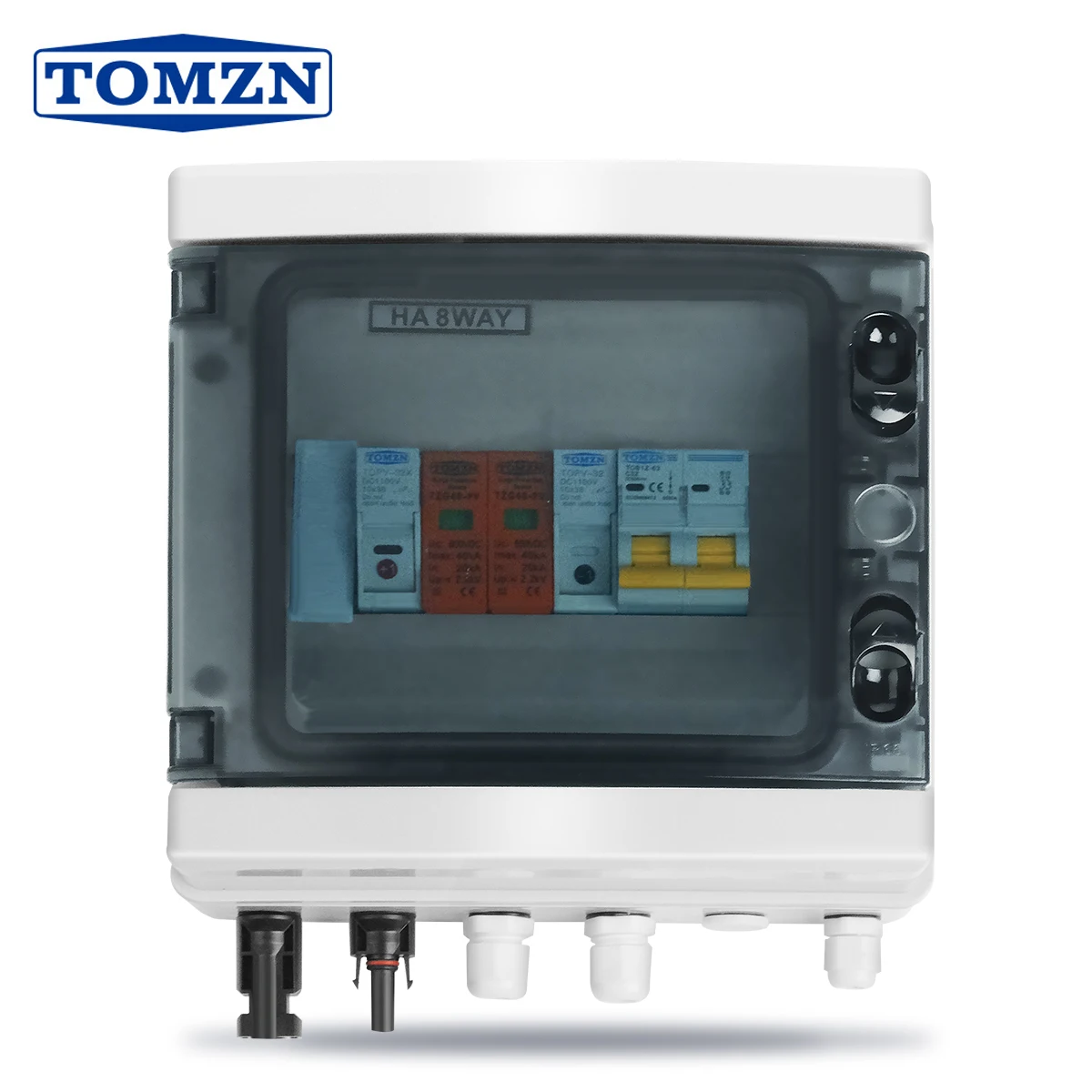
The external housing of the TOMZN combiner box presents a durable, IP65-rated enclosure. This ingress protection rating indicates complete dust tightness and protection against low-pressure water jets from any direction, making it suitable for outdoor deployment in various environmental conditions. The visible material implies a high-impact resistant plastic, likely ABS or polycarbonate, which offers good UV resistance and mechanical strength. This material selection is paramount for longevity in exposed settings.
Such robust construction ensures the internal electrical components remain shielded from environmental degradation, preventing premature failure due to moisture, dust, or physical impact. The transparent lid, while allowing visual inspection of the internal indicators, maintains the protective seal. This is a practical design choice.
Compared to standard, non-rated junction boxes or custom-built enclosures, the factory-sealed and rated IP65 housing offers a significant upgrade in terms of reliability and safety. It eliminates the guesswork and potential vulnerabilities associated with DIY weatherproofing, providing a certified level of protection right out of the box.
Inside the enclosure, the TOMZN box integrates several key protective components. A DC Miniature Circuit Breaker (MCB) is prominently featured, designed to interrupt the circuit in the event of an overcurrent or short circuit. This acts as the primary overcurrent protection for the DC string. Its quick response time is vital.
The inclusion of a dedicated DC MCB is crucial for preventing damage to both the solar panels and the inverter, isolating faults before they can escalate into more severe issues like cable fires or component destruction. This proactive protection extends the lifespan of expensive solar equipment. Without it, a fault could be catastrophic.
Unlike systems relying solely on fuses, an MCB offers the advantage of being resettable, allowing for quicker fault diagnosis and system restoration after a temporary overload, without the need for replacement parts. This enhances maintainability significantly.
A Surge Protection Device (SPD) is also a core component, visible within the enclosure. This module is engineered to protect the solar array and inverter from transient overvoltages, commonly caused by lightning strikes or switching operations in the grid. It diverts excess voltage safely to ground.
Effective surge protection is indispensable for solar installations, especially those in areas prone to lightning activity. A single lightning strike, even an indirect one, can induce significant voltage spikes that instantly destroy sensitive electronic components within the inverter or panels. The SPD acts as a sacrificial component, absorbing the surge.
Many basic solar setups often omit dedicated SPDs, leaving the entire system vulnerable to costly damage. The integrated SPD in this TOMZN box provides a superior level of protection, offering peace of mind and safeguarding the substantial investment in a solar energy system. This is a critical safety feature.
The combiner box also incorporates fuses, specifically for both positive and negative wire connections, as indicated by the visual breakdown. These fuses provide an additional layer of overcurrent protection, particularly for individual strings or specific components, ensuring that localized faults do not propagate throughout the entire system. Fuses offer fail-safe operation.
Fuses are essential for isolating persistent overcurrent conditions that might not immediately trip an MCB or for protecting specific sections of the circuit with lower current tolerances. Their presence ensures that if a severe fault occurs, the circuit is definitively broken, preventing sustained damage. This redundancy is a good engineering practice.
Compared to systems that might only use a single main breaker, the inclusion of multiple fuses for both polarities offers granular protection, allowing for more precise fault isolation and minimizing downtime. This layered approach to safety is a hallmark of well-designed electrical systems.
The bottom of the enclosure features multiple cable glands and MC4 connectors. The MC4 connectors are standard for solar panel connections, ensuring a secure, waterproof, and polarized interface for the DC input. The cable glands provide sealed entry points for output wiring to the inverter and grounding connections. These are robust connections.
These standardized connectors and glands simplify installation, reducing the likelihood of wiring errors and ensuring a consistent, high-integrity electrical connection. The robust sealing of the glands contributes directly to the IP65 rating, maintaining environmental protection. Proper termination is key.
Many entry-level combiner boxes might use less robust or non-standard connectors, which can lead to connection failures, water ingress, or increased resistance over time. The use of industry-standard MC4s and quality cable glands positions this unit as a more reliable and professional solution for solar installations.
The unit includes provisions for a ground wire connection and a vent valve. Proper grounding is fundamental for electrical safety, providing a path for fault currents and dissipating surge energy from the SPD. The vent valve is a subtle but important feature. It allows for pressure equalization.
Grounding ensures that in the event of an electrical fault or lightning strike, dangerous voltages are safely discharged, protecting both equipment and personnel. The vent valve prevents pressure buildup inside the sealed enclosure due to temperature fluctuations, which could otherwise compromise the seals or damage components. Small details matter for longevity.
Unlike basic enclosures that might overlook these critical details, the inclusion of dedicated grounding points and a vent valve demonstrates a comprehensive approach to electrical safety and long-term enclosure integrity. These features contribute significantly to the overall reliability and safety profile of the combiner box.
The TOMZN combiner box is designed for DC 600V systems, indicating its suitability for a wide range of residential and small commercial solar installations. The specified voltage rating ensures compatibility with common solar panel string configurations, providing a reliable interface for power transmission. Voltage matching is critical.
Operating within its specified voltage and current parameters, the internal components are expected to perform reliably, offering consistent protection against electrical anomalies. The robust construction and component selection are geared towards maintaining performance even under fluctuating environmental conditions. This ensures stable power delivery.
Compared to generic electrical boxes that might not be rated for specific DC voltages or outdoor use, this purpose-built combiner box offers a tailored solution that meets the stringent requirements of photovoltaic systems, ensuring optimal performance and safety. It is engineered for its specific application.
This TOMZN Solar PV Combiner Box represents a foundational element for any secure and efficient solar energy system. Its integrated protection features, robust construction, and adherence to electrical safety standards provide a streamlined solution for safeguarding valuable solar assets. Imagine the confidence of a solar array operating with comprehensive protection, where overcurrents and lightning surges are managed preemptively, ensuring uninterrupted power generation and extending the operational life of your entire photovoltaic investment. This unit provides that essential layer of defense, allowing your solar system to perform optimally for years to come.
Architectural Integrity and Component Selection
The external housing of the TOMZN combiner box presents a durable, IP65-rated enclosure. This ingress protection rating indicates complete dust tightness and protection against low-pressure water jets from any direction, making it suitable for outdoor deployment in various environmental conditions. The visible material implies a high-impact resistant plastic, likely ABS or polycarbonate, which offers good UV resistance and mechanical strength. This material selection is paramount for longevity in exposed settings.
Such robust construction ensures the internal electrical components remain shielded from environmental degradation, preventing premature failure due to moisture, dust, or physical impact. The transparent lid, while allowing visual inspection of the internal indicators, maintains the protective seal. This is a practical design choice.
Compared to standard, non-rated junction boxes or custom-built enclosures, the factory-sealed and rated IP65 housing offers a significant upgrade in terms of reliability and safety. It eliminates the guesswork and potential vulnerabilities associated with DIY weatherproofing, providing a certified level of protection right out of the box.
Internal Circuitry and Protection Modules
Inside the enclosure, the TOMZN box integrates several key protective components. A DC Miniature Circuit Breaker (MCB) is prominently featured, designed to interrupt the circuit in the event of an overcurrent or short circuit. This acts as the primary overcurrent protection for the DC string. Its quick response time is vital.
The inclusion of a dedicated DC MCB is crucial for preventing damage to both the solar panels and the inverter, isolating faults before they can escalate into more severe issues like cable fires or component destruction. This proactive protection extends the lifespan of expensive solar equipment. Without it, a fault could be catastrophic.
Unlike systems relying solely on fuses, an MCB offers the advantage of being resettable, allowing for quicker fault diagnosis and system restoration after a temporary overload, without the need for replacement parts. This enhances maintainability significantly.
Surge Protection Device (SPD) Integration
A Surge Protection Device (SPD) is also a core component, visible within the enclosure. This module is engineered to protect the solar array and inverter from transient overvoltages, commonly caused by lightning strikes or switching operations in the grid. It diverts excess voltage safely to ground.
Effective surge protection is indispensable for solar installations, especially those in areas prone to lightning activity. A single lightning strike, even an indirect one, can induce significant voltage spikes that instantly destroy sensitive electronic components within the inverter or panels. The SPD acts as a sacrificial component, absorbing the surge.
Many basic solar setups often omit dedicated SPDs, leaving the entire system vulnerable to costly damage. The integrated SPD in this TOMZN box provides a superior level of protection, offering peace of mind and safeguarding the substantial investment in a solar energy system. This is a critical safety feature.
Fusing for Enhanced Safety
The combiner box also incorporates fuses, specifically for both positive and negative wire connections, as indicated by the visual breakdown. These fuses provide an additional layer of overcurrent protection, particularly for individual strings or specific components, ensuring that localized faults do not propagate throughout the entire system. Fuses offer fail-safe operation.
Fuses are essential for isolating persistent overcurrent conditions that might not immediately trip an MCB or for protecting specific sections of the circuit with lower current tolerances. Their presence ensures that if a severe fault occurs, the circuit is definitively broken, preventing sustained damage. This redundancy is a good engineering practice.
Compared to systems that might only use a single main breaker, the inclusion of multiple fuses for both polarities offers granular protection, allowing for more precise fault isolation and minimizing downtime. This layered approach to safety is a hallmark of well-designed electrical systems.
Connectivity and Installation Considerations
The bottom of the enclosure features multiple cable glands and MC4 connectors. The MC4 connectors are standard for solar panel connections, ensuring a secure, waterproof, and polarized interface for the DC input. The cable glands provide sealed entry points for output wiring to the inverter and grounding connections. These are robust connections.
These standardized connectors and glands simplify installation, reducing the likelihood of wiring errors and ensuring a consistent, high-integrity electrical connection. The robust sealing of the glands contributes directly to the IP65 rating, maintaining environmental protection. Proper termination is key.
Many entry-level combiner boxes might use less robust or non-standard connectors, which can lead to connection failures, water ingress, or increased resistance over time. The use of industry-standard MC4s and quality cable glands positions this unit as a more reliable and professional solution for solar installations.
Grounding and Venting
The unit includes provisions for a ground wire connection and a vent valve. Proper grounding is fundamental for electrical safety, providing a path for fault currents and dissipating surge energy from the SPD. The vent valve is a subtle but important feature. It allows for pressure equalization.
Grounding ensures that in the event of an electrical fault or lightning strike, dangerous voltages are safely discharged, protecting both equipment and personnel. The vent valve prevents pressure buildup inside the sealed enclosure due to temperature fluctuations, which could otherwise compromise the seals or damage components. Small details matter for longevity.
Unlike basic enclosures that might overlook these critical details, the inclusion of dedicated grounding points and a vent valve demonstrates a comprehensive approach to electrical safety and long-term enclosure integrity. These features contribute significantly to the overall reliability and safety profile of the combiner box.
Operational Reliability in Diverse Environments
The TOMZN combiner box is designed for DC 600V systems, indicating its suitability for a wide range of residential and small commercial solar installations. The specified voltage rating ensures compatibility with common solar panel string configurations, providing a reliable interface for power transmission. Voltage matching is critical.
Operating within its specified voltage and current parameters, the internal components are expected to perform reliably, offering consistent protection against electrical anomalies. The robust construction and component selection are geared towards maintaining performance even under fluctuating environmental conditions. This ensures stable power delivery.
Compared to generic electrical boxes that might not be rated for specific DC voltages or outdoor use, this purpose-built combiner box offers a tailored solution that meets the stringent requirements of photovoltaic systems, ensuring optimal performance and safety. It is engineered for its specific application.
This TOMZN Solar PV Combiner Box represents a foundational element for any secure and efficient solar energy system. Its integrated protection features, robust construction, and adherence to electrical safety standards provide a streamlined solution for safeguarding valuable solar assets. Imagine the confidence of a solar array operating with comprehensive protection, where overcurrents and lightning surges are managed preemptively, ensuring uninterrupted power generation and extending the operational life of your entire photovoltaic investment. This unit provides that essential layer of defense, allowing your solar system to perform optimally for years to come.