TLZWLA 5KV Microwave Oven High Voltage Fuse Kit
Official Store Deal
Expert Analysis Overview
The TLZWLA 5KV Microwave Oven High Voltage Fuse Kit is a crucial safety component designed for the precise repair of high-voltage circuits in microwave ovens. This kit targets appliance technicians and skilled DIYers facing common microwave failures, offering a cost-effective alternative to professional service or appliance replacement. Its design emphasizes reliable overcurrent protection, a non-negotiable aspect in high-voltage applications.
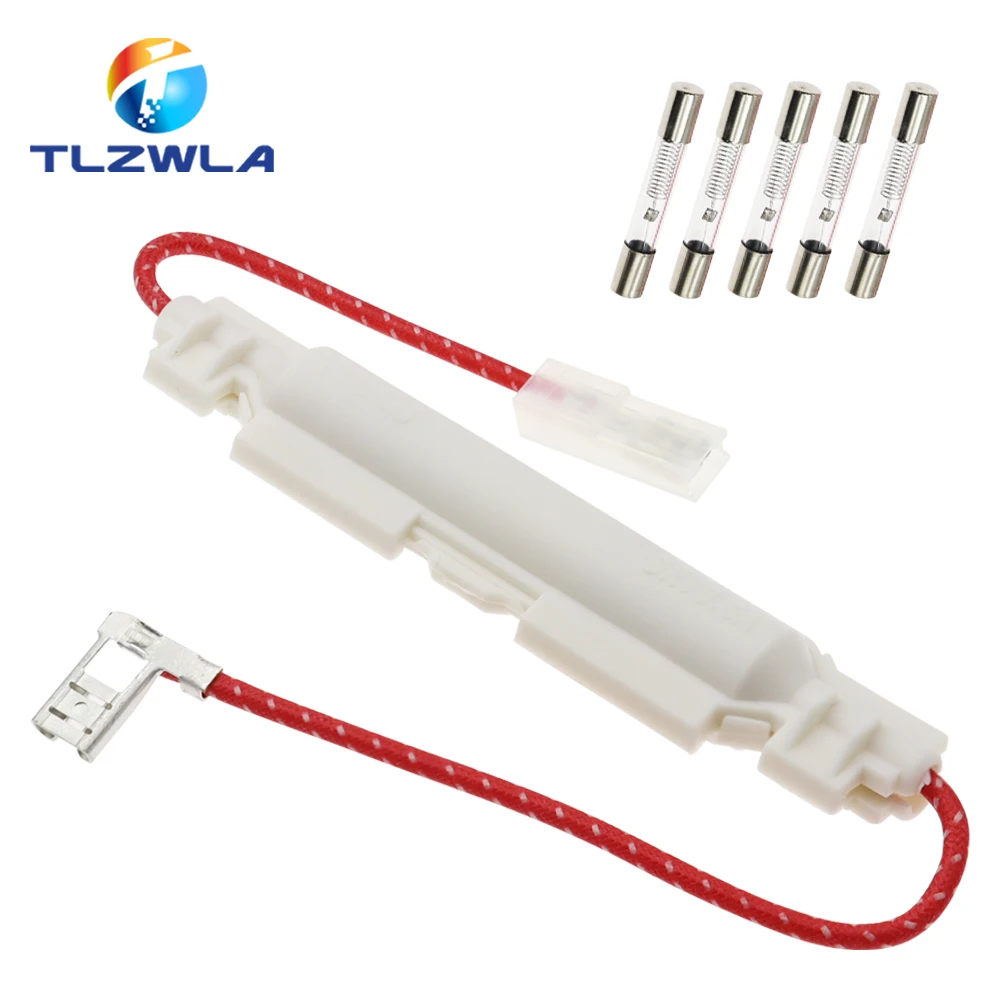
The kit prominently features a glass tube fuse rated for 5KV, alongside a robust, insulated fuse holder and pre-wired connectors. This assembly is engineered to interrupt current flow rapidly when an overload occurs. A blown fuse protects critical, expensive microwave components like the magnetron and high-voltage capacitor from catastrophic failure. It is a simple, yet vital, safety mechanism.
This protective architecture is paramount. Without it, a fault could lead to extensive damage. The fuse acts as the weakest link, designed to fail first. This prevents a cascade of electrical problems. The clear glass fuse allows for visual inspection of the filament. This is a quick diagnostic check.
Compared to original equipment manufacturer (OEM) fuses, this universal kit provides a readily available replacement. OEM parts can be hard to source. The specified voltage and current ratings (e.g., 0.85A, 850mA) must precisely match the microwave's original specifications. Deviating from these ratings compromises safety. Always verify the required amperage.
Visible components include a white, opaque plastic fuse holder and red-insulated wiring. The holder's material appears to be a high-dielectric strength plastic, essential for containing 5KV potentials. Its clamshell design allows for secure enclosure of the fuse element. This prevents accidental contact with high voltage.
This material selection is critical for electrical isolation. The plastic housing must withstand significant electrical stress without breaking down. It also provides physical protection for the fragile glass fuse. Proper insulation is non-negotiable. The holder's form factor suggests a secure, snap-together assembly. This simplifies installation.
Unlike exposed fuse clips or simpler inline fuse holders, this enclosed design offers enhanced safety. It minimizes the risk of arc flash or accidental contact with live components. The robust housing ensures the fuse remains protected from environmental factors. Dust and moisture are kept out. This contributes to long-term reliability.
The kit includes pre-attached red wires terminated with various metal connectors, such as spade and bullet terminals. These connectors are designed for direct integration into existing microwave wiring harnesses. The wire gauge appears appropriate for high-voltage, low-current applications within a microwave oven. Secure connections are vital.
Reliable electrical connections are fundamental to safety and performance. Loose connections can generate heat, leading to increased resistance or even fire hazards. The pre-terminated connectors aim to simplify installation and ensure a consistent, low-resistance pathway. This reduces installation errors. Proper crimping is assumed for these terminals.
Many generic repair kits often supply bare wires, requiring users to crimp or solder their own terminals. This kit's pre-attached connectors offer a significant advantage. They reduce the need for specialized tools or advanced soldering skills. This makes the repair more accessible. However, verifying the quality of the crimps remains important.
The included glass tube fuse contains a visible metallic filament, often accompanied by a small spring. This design is typical for fast-acting fuses, which are crucial in protecting sensitive electronic components. The fuse rating is clearly marked on the metallic end caps. This ensures correct identification.
This fuse operates on a fundamental principle: when current exceeds its rated capacity, the metallic filament heats up and melts. This breaks the circuit. This rapid interruption prevents sustained overcurrent conditions. Such conditions could damage the magnetron or high-voltage transformer. It is a critical safety device.
Unlike slow-blow fuses, which tolerate temporary overloads, fast-acting fuses are essential for microwave high-voltage circuits. Microwave components are sensitive to surges. The quick response time of this fuse type is a key protective feature. This prevents irreversible damage. Always use the specified fuse type.
The product title indicates compatibility with a range of current ratings: 0.85A, 850mA, 0.9A, 900mA, 0.8A, 800mA, 0.75A. This implies the holder is universal, accommodating various standard high-voltage fuse sizes. Users must select the specific fuse amperage that matches their microwave's requirements. The holder itself is adaptable.
This universality simplifies the procurement process for repair technicians. Instead of stocking multiple specific fuse holders, a single holder design can serve various applications. The critical factor remains the fuse itself. Matching the fuse to the appliance is paramount. Incorrect amperage can be dangerous.
Many microwave models utilize similar high-voltage circuit designs, making a universal holder a practical solution. However, the onus is on the installer to ensure the correct fuse amperage is inserted. A fuse that is too low will blow prematurely. A fuse that is too high offers insufficient protection. Verify the original fuse rating.
The images show the fuse holder disassembled, revealing the internal contacts and the path for the wires. This visual aids understanding of the installation process. The wires are routed through the holder, connecting to the fuse terminals. The holder then snaps shut, encapsulating the fuse.
Installation requires strict adherence to safety protocols. Before any work begins, the microwave oven must be unplugged. The high-voltage capacitor must be safely discharged. This component can store a lethal charge even after the appliance is unplugged. Extreme caution is advised. Never bypass safety interlocks.
Unlike low-voltage repairs, working with microwave high-voltage circuits carries significant risk. Professional training or extensive experience with high-voltage electronics is strongly recommended. Incorrect installation can lead to electrocution or fire. Always double-check all connections. Ensure proper insulation.
The visible materials, including the plastic holder and insulated wires, suggest a design intended for the internal environment of a microwave oven. This environment can involve elevated temperatures and electrical stress. The components must maintain their integrity over time. Durability is a key factor.
These components are not exposed to external weather elements but must withstand internal operational conditions. The plastic should resist heat deformation and degradation from electrical arcing. The wire insulation must remain flexible and intact. This prevents short circuits. Material quality directly impacts lifespan.
Compared to some aftermarket components that may use lower-grade plastics or thinner wiring, the visible construction appears adequate for its intended purpose. However, long-term reliability often hinges on the specific plastic compound used, which is not discernible from images. A good component lasts for years. This kit aims for extended service.
This high-voltage fuse kit offers a direct path to restoring a malfunctioning microwave, preventing the expense of a new appliance. Imagine the satisfaction of a fully operational microwave, heating meals efficiently and safely once more, all thanks to a precise and affordable repair. The convenience of a functioning appliance returns, providing peace of mind and continued utility in the kitchen.
High-Voltage Circuit Safeguarding
The kit prominently features a glass tube fuse rated for 5KV, alongside a robust, insulated fuse holder and pre-wired connectors. This assembly is engineered to interrupt current flow rapidly when an overload occurs. A blown fuse protects critical, expensive microwave components like the magnetron and high-voltage capacitor from catastrophic failure. It is a simple, yet vital, safety mechanism.
This protective architecture is paramount. Without it, a fault could lead to extensive damage. The fuse acts as the weakest link, designed to fail first. This prevents a cascade of electrical problems. The clear glass fuse allows for visual inspection of the filament. This is a quick diagnostic check.
Compared to original equipment manufacturer (OEM) fuses, this universal kit provides a readily available replacement. OEM parts can be hard to source. The specified voltage and current ratings (e.g., 0.85A, 850mA) must precisely match the microwave's original specifications. Deviating from these ratings compromises safety. Always verify the required amperage.
Material Science and Enclosure Design
Visible components include a white, opaque plastic fuse holder and red-insulated wiring. The holder's material appears to be a high-dielectric strength plastic, essential for containing 5KV potentials. Its clamshell design allows for secure enclosure of the fuse element. This prevents accidental contact with high voltage.
This material selection is critical for electrical isolation. The plastic housing must withstand significant electrical stress without breaking down. It also provides physical protection for the fragile glass fuse. Proper insulation is non-negotiable. The holder's form factor suggests a secure, snap-together assembly. This simplifies installation.
Unlike exposed fuse clips or simpler inline fuse holders, this enclosed design offers enhanced safety. It minimizes the risk of arc flash or accidental contact with live components. The robust housing ensures the fuse remains protected from environmental factors. Dust and moisture are kept out. This contributes to long-term reliability.
Electrical Interconnection Integrity
The kit includes pre-attached red wires terminated with various metal connectors, such as spade and bullet terminals. These connectors are designed for direct integration into existing microwave wiring harnesses. The wire gauge appears appropriate for high-voltage, low-current applications within a microwave oven. Secure connections are vital.
Reliable electrical connections are fundamental to safety and performance. Loose connections can generate heat, leading to increased resistance or even fire hazards. The pre-terminated connectors aim to simplify installation and ensure a consistent, low-resistance pathway. This reduces installation errors. Proper crimping is assumed for these terminals.
Many generic repair kits often supply bare wires, requiring users to crimp or solder their own terminals. This kit's pre-attached connectors offer a significant advantage. They reduce the need for specialized tools or advanced soldering skills. This makes the repair more accessible. However, verifying the quality of the crimps remains important.
The Fuse Element: Precision and Protection
The included glass tube fuse contains a visible metallic filament, often accompanied by a small spring. This design is typical for fast-acting fuses, which are crucial in protecting sensitive electronic components. The fuse rating is clearly marked on the metallic end caps. This ensures correct identification.
This fuse operates on a fundamental principle: when current exceeds its rated capacity, the metallic filament heats up and melts. This breaks the circuit. This rapid interruption prevents sustained overcurrent conditions. Such conditions could damage the magnetron or high-voltage transformer. It is a critical safety device.
Unlike slow-blow fuses, which tolerate temporary overloads, fast-acting fuses are essential for microwave high-voltage circuits. Microwave components are sensitive to surges. The quick response time of this fuse type is a key protective feature. This prevents irreversible damage. Always use the specified fuse type.
Universal Application and Compatibility
The product title indicates compatibility with a range of current ratings: 0.85A, 850mA, 0.9A, 900mA, 0.8A, 800mA, 0.75A. This implies the holder is universal, accommodating various standard high-voltage fuse sizes. Users must select the specific fuse amperage that matches their microwave's requirements. The holder itself is adaptable.
This universality simplifies the procurement process for repair technicians. Instead of stocking multiple specific fuse holders, a single holder design can serve various applications. The critical factor remains the fuse itself. Matching the fuse to the appliance is paramount. Incorrect amperage can be dangerous.
Many microwave models utilize similar high-voltage circuit designs, making a universal holder a practical solution. However, the onus is on the installer to ensure the correct fuse amperage is inserted. A fuse that is too low will blow prematurely. A fuse that is too high offers insufficient protection. Verify the original fuse rating.
Installation Considerations and Safety Protocols
The images show the fuse holder disassembled, revealing the internal contacts and the path for the wires. This visual aids understanding of the installation process. The wires are routed through the holder, connecting to the fuse terminals. The holder then snaps shut, encapsulating the fuse.
Installation requires strict adherence to safety protocols. Before any work begins, the microwave oven must be unplugged. The high-voltage capacitor must be safely discharged. This component can store a lethal charge even after the appliance is unplugged. Extreme caution is advised. Never bypass safety interlocks.
Unlike low-voltage repairs, working with microwave high-voltage circuits carries significant risk. Professional training or extensive experience with high-voltage electronics is strongly recommended. Incorrect installation can lead to electrocution or fire. Always double-check all connections. Ensure proper insulation.
Longevity and Reliability in Harsh Environments
The visible materials, including the plastic holder and insulated wires, suggest a design intended for the internal environment of a microwave oven. This environment can involve elevated temperatures and electrical stress. The components must maintain their integrity over time. Durability is a key factor.
These components are not exposed to external weather elements but must withstand internal operational conditions. The plastic should resist heat deformation and degradation from electrical arcing. The wire insulation must remain flexible and intact. This prevents short circuits. Material quality directly impacts lifespan.
Compared to some aftermarket components that may use lower-grade plastics or thinner wiring, the visible construction appears adequate for its intended purpose. However, long-term reliability often hinges on the specific plastic compound used, which is not discernible from images. A good component lasts for years. This kit aims for extended service.
This high-voltage fuse kit offers a direct path to restoring a malfunctioning microwave, preventing the expense of a new appliance. Imagine the satisfaction of a fully operational microwave, heating meals efficiently and safely once more, all thanks to a precise and affordable repair. The convenience of a functioning appliance returns, providing peace of mind and continued utility in the kitchen.