TLZWLA 3.5mm Audio Jack Adapter Connectors (2, 3, 4-Section)
Official Store Deal
Expert Analysis Overview
The TLZWLA 3.5mm Audio Jack Adapter Connectors represent a fundamental component for custom audio cable assembly, targeting audio enthusiasts, technicians, and DIYers requiring reliable signal transmission. These welding-type male plugs are engineered for direct integration into audio circuits, offering versatility across single, double, and multi-channel applications. The design prioritizes secure connections and signal integrity, crucial for both professional and home audio setups.
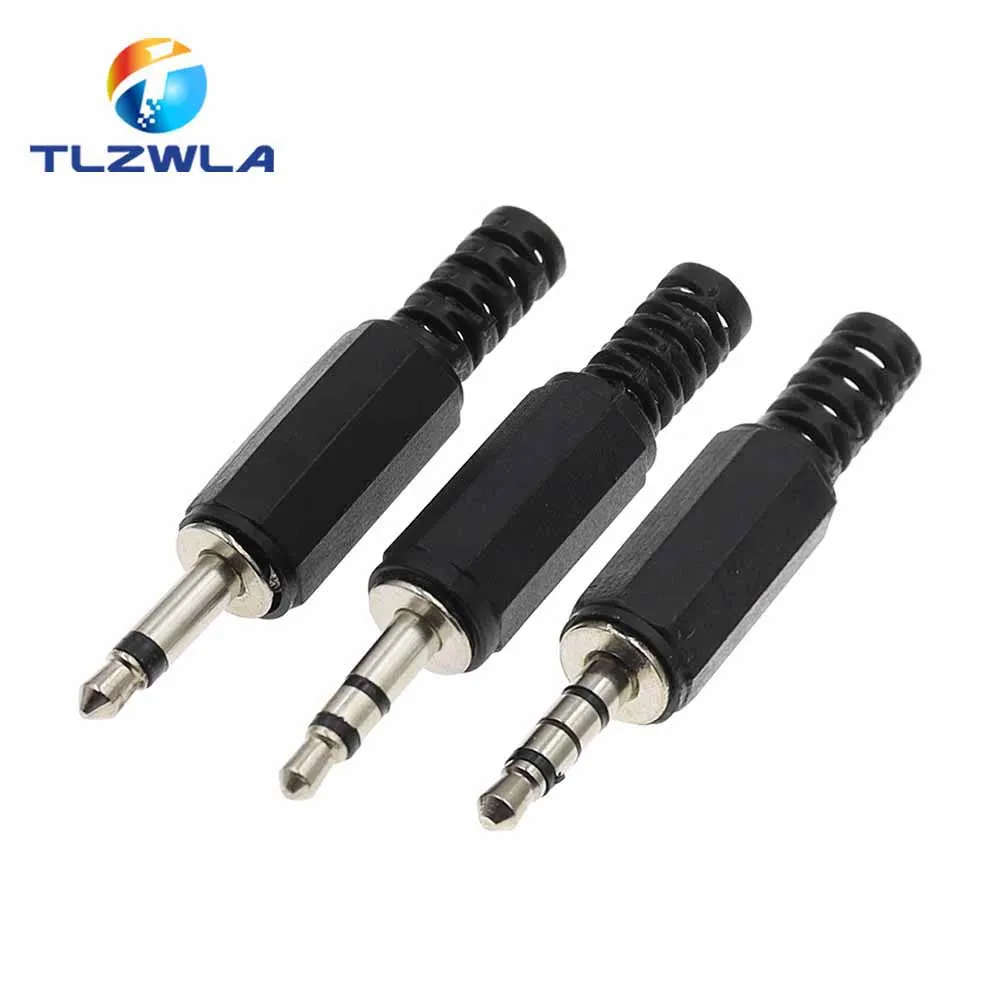
These connectors are available in 2, 3, and 4-section configurations, directly addressing diverse audio requirements. A 2-section plug (TS) typically handles mono audio signals, while a 3-section plug (TRS) is standard for stereo audio or mono audio with a microphone input. The 4-section plug (TRRS) extends functionality to stereo audio with a microphone and often includes control signals for headsets.
Each configuration dictates the number of discrete electrical paths available. The visible metallic contacts appear to be nickel-plated, a common choice for its balance of conductivity and corrosion resistance. This plating helps maintain a clean signal path over time, minimizing signal degradation.
Compared to pre-assembled cables, these individual connectors provide the flexibility to create custom cable lengths and configurations. This is particularly beneficial in installations where standard cable lengths are impractical or where specific wiring schemes are necessary for specialized equipment. The ability to choose the exact number of sections ensures compatibility with a wide array of devices, from legacy audio equipment to modern smartphones and professional audio interfaces.
The sectional design of these 3.5mm plugs directly impacts their application. A 2-section (Tip-Sleeve) connector is suitable for basic mono audio, such as instrument cables or older headphone jacks. Its simplicity makes it robust for single-channel applications. Signal flow is direct.
Three-section (Tip-Ring-Sleeve) connectors are the most prevalent for stereo headphones and many auxiliary audio inputs. The additional ring contact allows for distinct left and right audio channels, providing a richer listening experience. This design is a standard for consumer electronics.
Four-section (Tip-Ring-Ring-Sleeve) connectors expand functionality significantly. They are primarily used for smartphone headsets, integrating stereo audio output with a microphone input and sometimes remote control functions. The extra contact enables bidirectional communication, a modern necessity.
Understanding these distinctions is paramount for proper cable construction. Incorrect section matching can lead to partial signal transmission or complete device incompatibility. The visual differentiation between these plugs is clear, aiding in correct selection.
The visible housing of these connectors is constructed from a black, presumably molded plastic or composite material. This material choice typically offers good electrical insulation and a degree of mechanical protection for the internal solder points. The hexagonal base of the housing provides a secure grip during installation and removal, preventing accidental disconnections.
Internal components, specifically the male pins, are visibly metallic. The bright, silvery finish suggests a nickel or chrome plating over a base metal, likely brass or copper. These materials are selected for their electrical conductivity and resistance to oxidation, which are critical for maintaining signal quality over the connector's lifespan. Good conductivity is essential.
Unlike connectors with flimsy plastic shells that can crack under stress, the robust appearance of these housings suggests a more durable construction. The ribbed strain relief at the cable entry point is a critical design feature. This element is designed to absorb bending forces, preventing the cable from pulling away from the solder joints and extending the overall life of the assembled cable. This is a significant upgrade from basic, unreinforced connectors.
Upon disassembly, the internal structure reveals the solder points for each section. These points are designed to accept individual wire strands, requiring precise soldering for optimal performance. The quality of these solder joints directly influences signal integrity and mechanical durability. A clean solder is vital.
Proper wire stripping and tinning are essential before soldering to ensure a strong electrical and mechanical bond. The small size of these connectors necessitates fine-tipped soldering irons and careful technique to avoid bridging contacts or creating cold solder joints. This is not a task for beginners.
Compared to crimp-style connectors, welding-type plugs offer a more permanent and often more reliable electrical connection when executed correctly. The direct metallic bond created by soldering minimizes resistance and potential points of failure. This method is preferred for applications where long-term stability is paramount.
As a Certified Electrician, the primary concern with any electrical component, even low-voltage audio connectors, is safety and reliable performance. While these are low-voltage devices, improper assembly can still lead to issues. Short circuits, even in audio applications, can damage connected equipment or introduce unwanted noise into the signal path. Proper insulation is key.
Wire gauge selection for the cable being attached is important. While these connectors are designed for standard audio cables, using excessively thick or thin wires can compromise the strain relief or the integrity of the solder joint. A wire that is too thick may not fit properly, while one that is too thin may be prone to breakage.
The visible dimensions indicate a standard 3.5mm (1/8 inch) diameter, ensuring broad compatibility with audio jacks. The overall length of 50.3mm (1.98in) provides sufficient housing for soldering and strain relief without being overly bulky. This compact size is practical.
Unlike generic connectors that may use inferior metals or lack adequate strain relief, these TLZWLA connectors appear to offer a more considered design. The visible quality of the metal contacts and the robust housing suggest a commitment to functional longevity. This translates to fewer intermittent connections and a more stable audio experience.
The materials chosen for these connectors contribute directly to their expected lifespan. The hard plastic housing resists abrasion and minor impacts, protecting the delicate internal connections. The metallic pins, being plated, are less susceptible to corrosion from environmental exposure or frequent handling.
The ribbed strain relief is a critical feature for durability. It prevents sharp bends in the cable at the point of connection, which is a common failure point for audio cables. This design element significantly extends the operational life of the custom-assembled cable. Cables often fail at the connector.
In contrast to connectors with brittle plastic or unplated contacts that degrade quickly, these components are designed for repeated use and connection cycles. The visible quality implies a product intended for sustained performance rather than single-use applications. This makes them a cost-effective choice in the long run, reducing the need for frequent replacements.
At a price point of approximately
Connection Versatility and Signal Integrity
These connectors are available in 2, 3, and 4-section configurations, directly addressing diverse audio requirements. A 2-section plug (TS) typically handles mono audio signals, while a 3-section plug (TRS) is standard for stereo audio or mono audio with a microphone input. The 4-section plug (TRRS) extends functionality to stereo audio with a microphone and often includes control signals for headsets.
Each configuration dictates the number of discrete electrical paths available. The visible metallic contacts appear to be nickel-plated, a common choice for its balance of conductivity and corrosion resistance. This plating helps maintain a clean signal path over time, minimizing signal degradation.
Compared to pre-assembled cables, these individual connectors provide the flexibility to create custom cable lengths and configurations. This is particularly beneficial in installations where standard cable lengths are impractical or where specific wiring schemes are necessary for specialized equipment. The ability to choose the exact number of sections ensures compatibility with a wide array of devices, from legacy audio equipment to modern smartphones and professional audio interfaces.
The Importance of Sectional Design
The sectional design of these 3.5mm plugs directly impacts their application. A 2-section (Tip-Sleeve) connector is suitable for basic mono audio, such as instrument cables or older headphone jacks. Its simplicity makes it robust for single-channel applications. Signal flow is direct.
Three-section (Tip-Ring-Sleeve) connectors are the most prevalent for stereo headphones and many auxiliary audio inputs. The additional ring contact allows for distinct left and right audio channels, providing a richer listening experience. This design is a standard for consumer electronics.
Four-section (Tip-Ring-Ring-Sleeve) connectors expand functionality significantly. They are primarily used for smartphone headsets, integrating stereo audio output with a microphone input and sometimes remote control functions. The extra contact enables bidirectional communication, a modern necessity.
Understanding these distinctions is paramount for proper cable construction. Incorrect section matching can lead to partial signal transmission or complete device incompatibility. The visual differentiation between these plugs is clear, aiding in correct selection.
Construction and Material Science
The visible housing of these connectors is constructed from a black, presumably molded plastic or composite material. This material choice typically offers good electrical insulation and a degree of mechanical protection for the internal solder points. The hexagonal base of the housing provides a secure grip during installation and removal, preventing accidental disconnections.
Internal components, specifically the male pins, are visibly metallic. The bright, silvery finish suggests a nickel or chrome plating over a base metal, likely brass or copper. These materials are selected for their electrical conductivity and resistance to oxidation, which are critical for maintaining signal quality over the connector's lifespan. Good conductivity is essential.
Unlike connectors with flimsy plastic shells that can crack under stress, the robust appearance of these housings suggests a more durable construction. The ribbed strain relief at the cable entry point is a critical design feature. This element is designed to absorb bending forces, preventing the cable from pulling away from the solder joints and extending the overall life of the assembled cable. This is a significant upgrade from basic, unreinforced connectors.
Internal Wiring and Solder Points
Upon disassembly, the internal structure reveals the solder points for each section. These points are designed to accept individual wire strands, requiring precise soldering for optimal performance. The quality of these solder joints directly influences signal integrity and mechanical durability. A clean solder is vital.
Proper wire stripping and tinning are essential before soldering to ensure a strong electrical and mechanical bond. The small size of these connectors necessitates fine-tipped soldering irons and careful technique to avoid bridging contacts or creating cold solder joints. This is not a task for beginners.
Compared to crimp-style connectors, welding-type plugs offer a more permanent and often more reliable electrical connection when executed correctly. The direct metallic bond created by soldering minimizes resistance and potential points of failure. This method is preferred for applications where long-term stability is paramount.
Electrical Safety and Performance Considerations
As a Certified Electrician, the primary concern with any electrical component, even low-voltage audio connectors, is safety and reliable performance. While these are low-voltage devices, improper assembly can still lead to issues. Short circuits, even in audio applications, can damage connected equipment or introduce unwanted noise into the signal path. Proper insulation is key.
Wire gauge selection for the cable being attached is important. While these connectors are designed for standard audio cables, using excessively thick or thin wires can compromise the strain relief or the integrity of the solder joint. A wire that is too thick may not fit properly, while one that is too thin may be prone to breakage.
The visible dimensions indicate a standard 3.5mm (1/8 inch) diameter, ensuring broad compatibility with audio jacks. The overall length of 50.3mm (1.98in) provides sufficient housing for soldering and strain relief without being overly bulky. This compact size is practical.
Unlike generic connectors that may use inferior metals or lack adequate strain relief, these TLZWLA connectors appear to offer a more considered design. The visible quality of the metal contacts and the robust housing suggest a commitment to functional longevity. This translates to fewer intermittent connections and a more stable audio experience.
Durability and Longevity
The materials chosen for these connectors contribute directly to their expected lifespan. The hard plastic housing resists abrasion and minor impacts, protecting the delicate internal connections. The metallic pins, being plated, are less susceptible to corrosion from environmental exposure or frequent handling.
The ribbed strain relief is a critical feature for durability. It prevents sharp bends in the cable at the point of connection, which is a common failure point for audio cables. This design element significantly extends the operational life of the custom-assembled cable. Cables often fail at the connector.
In contrast to connectors with brittle plastic or unplated contacts that degrade quickly, these components are designed for repeated use and connection cycles. The visible quality implies a product intended for sustained performance rather than single-use applications. This makes them a cost-effective choice in the long run, reducing the need for frequent replacements.
Value Proposition and Application Scenarios
At a price point of approximately
.53 for a pack of five, these connectors offer significant value for custom cable fabrication. This cost-effectiveness allows for the creation of multiple specialized cables without a substantial financial outlay. The per-unit cost is low.
For audio professionals, these connectors enable the repair of damaged cables or the creation of bespoke lengths for studio or live sound environments. For hobbyists, they facilitate DIY projects such as custom headphone cables, auxiliary inputs for car stereos, or specialized adapter cables. The versatility is high.
Consider a scenario where a specific cable length is required to neatly route audio in a home theater setup, avoiding excess slack. These connectors allow for precise customization, enhancing both aesthetics and functionality. This level of control is not possible with off-the-shelf cables. The investment in these components pays off in tailored solutions.
Imagine completing a custom audio setup, knowing every connection is precisely tailored to your needs, free from the compromises of off-the-shelf solutions. The clarity of sound, the absence of intermittent signals, and the robust feel of a well-constructed cable contribute to an unparalleled user experience. These connectors provide the foundation for such precision, ensuring your audio system performs exactly as intended, delivering crisp, uninterrupted sound for years to come. This is the peace of mind that comes with quality components and meticulous assembly.
For audio professionals, these connectors enable the repair of damaged cables or the creation of bespoke lengths for studio or live sound environments. For hobbyists, they facilitate DIY projects such as custom headphone cables, auxiliary inputs for car stereos, or specialized adapter cables. The versatility is high.
Consider a scenario where a specific cable length is required to neatly route audio in a home theater setup, avoiding excess slack. These connectors allow for precise customization, enhancing both aesthetics and functionality. This level of control is not possible with off-the-shelf cables. The investment in these components pays off in tailored solutions.
Imagine completing a custom audio setup, knowing every connection is precisely tailored to your needs, free from the compromises of off-the-shelf solutions. The clarity of sound, the absence of intermittent signals, and the robust feel of a well-constructed cable contribute to an unparalleled user experience. These connectors provide the foundation for such precision, ensuring your audio system performs exactly as intended, delivering crisp, uninterrupted sound for years to come. This is the peace of mind that comes with quality components and meticulous assembly.