Small Engine Primer Bulb Replacement (2-Pack)
Official Store Deal
Expert Analysis Overview
The Engine's First Breath: Essential Primer Bulb Replacements
The small engine primer bulb is a critical, yet often overlooked, component in the starting mechanism of many garden power tools. These replacement primer bulbs are a preventative maintenance staple, designed for the proactive owner who understands the value of minimizing tool downtime. Their transparent dome and robust black housing indicate a standard, functional design, ready to restore reliable starting to compatible equipment.
Anatomy of Ignition: Understanding the Primer Bulb's Role
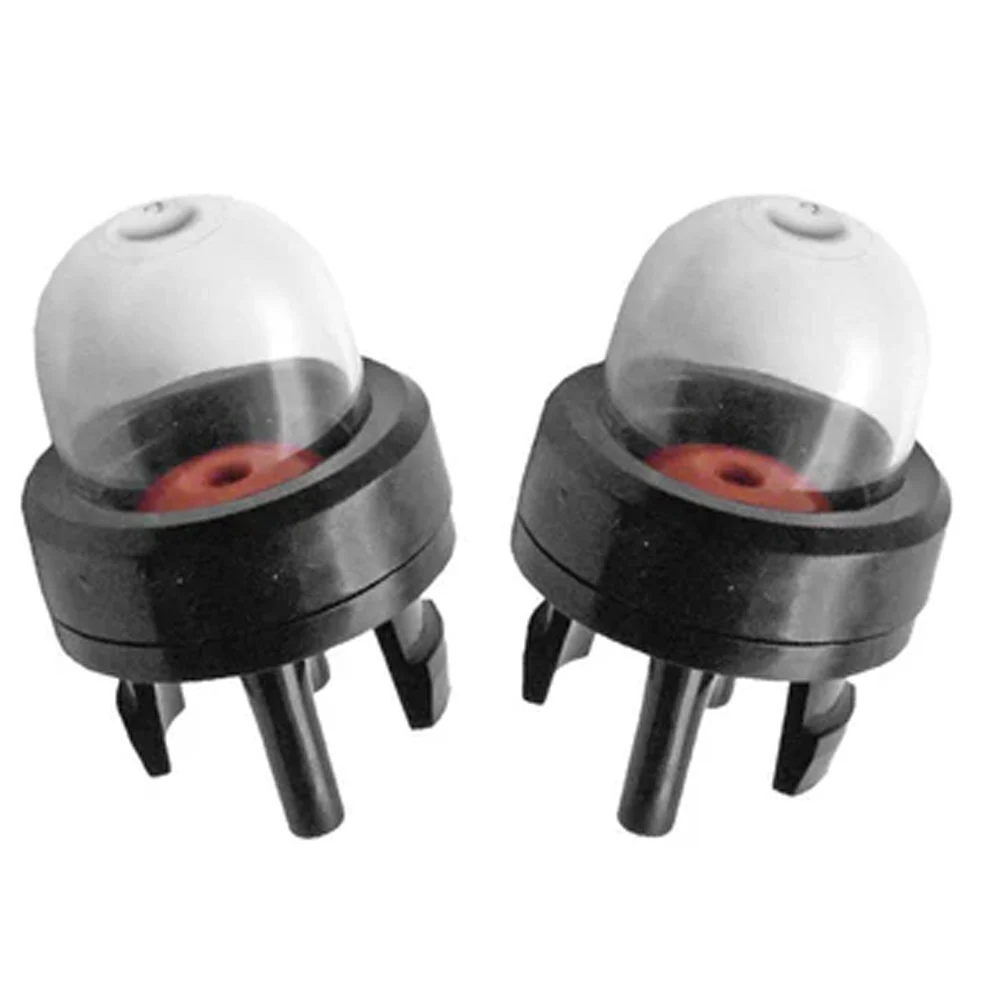
Visually, these primer bulbs consist of a clear, flexible dome mounted within a rigid black plastic base. A small red internal component is visible through the clear bulb, likely part of the check valve system. This simple assembly is responsible for drawing a small amount of fuel into the carburetor's intake manifold, effectively 'priming' the engine for combustion.
This action is vital for cold starts or after an engine has been sitting idle for an extended period. Without sufficient fuel in the carburetor, the engine will crank endlessly, leading to frustration and potential battery drain or starter rope wear. A functioning primer bulb ensures that the fuel-air mixture is readily available, allowing for quick and efficient ignition.
Unlike older, more complex starting procedures that might involve choking and multiple pulls, the primer bulb offers a straightforward, user-friendly approach. Its design simplifies the cold-start process, making garden tools more accessible and less intimidating for a wider range of users. This direct fuel delivery system bypasses the need for extensive cranking, preserving engine components and user effort.
Precision Fitment: Dimensions and Compatibility
One of the provided images clearly details the critical dimensions of these primer bulbs. The outer diameter measures 21.5mm, with a bulb height of 15.3mm. The base diameter is 17.5mm, and the overall height from the top of the bulb to the end of the fuel line barb is 20mm, with the barb itself extending 9mm from the base. The barb's internal diameter is 3.2mm.
These precise measurements are paramount for ensuring proper fitment across a range of small engines. An incorrect size can lead to air leaks, fuel starvation, or an inability to seat the bulb securely, rendering the priming function ineffective. Verifying these dimensions against the original part is a non-negotiable step before purchase.
Compared to generic, one-size-fits-all solutions, the explicit dimensioning of these bulbs allows for a more confident selection. This attention to detail suggests a product intended for direct replacement, reducing the guesswork often associated with aftermarket parts. Proper fitment directly translates to reliable performance and prevents the need for costly modifications or repeated purchases.
Material Integrity: Durability Under Pressure
The clear bulb component appears to be made from a flexible, yet resilient, plastic or rubber material. The black housing is a more rigid plastic. These materials are chosen for their ability to withstand repeated compression cycles and exposure to various fuel types, including gasoline and ethanol blends, which can be corrosive to lesser materials.
This material selection is crucial for the longevity of the primer bulb. A brittle bulb will crack under pressure or with age, leading to air leaks and a loss of priming capability. A housing that degrades from fuel exposure can also compromise the seal, causing similar issues. The visible construction suggests a standard level of durability expected for such a component.
Many original equipment manufacturer (OEM) primer bulbs utilize similar material compositions, balancing flexibility for function with resistance to environmental and chemical stressors. These replacement units appear to adhere to those established standards, offering a viable alternative to OEM parts without significant compromise on material integrity. The design prioritizes functional resilience over exotic material choices.
The Advantage of Spares: A Two-Piece Offering
This product is offered as a two-piece set, providing an immediate spare. Primer bulbs are wear-and-tear items; their flexible material degrades over time due to UV exposure, fuel contact, and repeated use. Having a spare on hand means that a sudden failure does not necessitate a trip to the store or extended tool downtime.
Maintaining a ready supply of common wear parts like primer bulbs is a cornerstone of efficient tool management. A single failed primer bulb can render an otherwise perfectly functional brush cutter or trimmer unusable. The convenience of having a replacement immediately available significantly reduces the frustration and delays associated with unexpected breakdowns.
Unlike purchasing single units, which often incur similar shipping costs, a two-pack offers superior value and preparedness. This approach aligns with the best practices for small engine maintenance, where anticipating component failure and having replacements readily accessible is far more cost-effective than reactive repairs. It's a small investment that yields considerable peace of mind.
Installation Simplicity: A User-Friendly Repair
Replacing a primer bulb is generally a straightforward task, often requiring only basic hand tools like a screwdriver or pliers. The design, with its integrated fuel line barb and mounting clips, facilitates a quick swap. The process typically involves disconnecting fuel lines, prying out the old bulb, and snapping the new one into place.
This ease of installation makes it an ideal repair for the average homeowner or DIY enthusiast. Specialized knowledge is not required, and the repair can often be completed in a matter of minutes. This accessibility empowers users to perform their own maintenance, saving on labor costs and gaining a better understanding of their equipment.
Many small engine components are designed with modularity in mind, and the primer bulb is a prime example. Its simple, self-contained nature contrasts with more complex carburetor overhauls, positioning it as one of the most accessible and common repairs. This design philosophy ensures that routine maintenance remains within the capabilities of most tool owners.
Performance Restoration: Reliable Starts Every Time
The primary performance metric for a primer bulb is its ability to consistently draw fuel and create a vacuum. A new, properly installed primer bulb restores this critical function, ensuring that the engine receives the necessary fuel charge for immediate ignition. This translates directly to fewer pulls on the starter cord and less strain on the engine's starting system.
Consistent priming is the hallmark of a well-maintained small engine. A failing primer bulb often manifests as hard starting, requiring excessive pulls or even manual priming methods. Replacing it with a fresh unit eliminates these frustrating symptoms, bringing the tool back to its original operational efficiency. It's a small part with a significant impact on user experience.
Compared to a degraded or cracked primer bulb, which may struggle to build sufficient vacuum or leak fuel, a new bulb provides a sealed, efficient pathway for fuel. This ensures that every press delivers the intended amount of fuel, optimizing the starting sequence. The result is an engine that fires up reliably, ready for work without hesitation.
Value Proposition: Cost-Effective Maintenance
Considering the relatively low cost of these replacement bulbs, their value proposition is exceptionally high. They represent a minimal investment that can prevent significant downtime and the potential expense of professional repair services. Proactive replacement of such wear items is a cornerstone of long-term tool care.
Preventative maintenance, particularly for components prone to degradation, is always more cost-effective than reactive repairs. The cost of these two bulbs is negligible when weighed against the inconvenience of a non-starting tool or the expense of taking it to a service center for a simple part replacement. This is smart asset management.
Unlike waiting for a part to completely fail, which often happens at the most inconvenient times, having these spares on hand allows for immediate action. This approach minimizes the 'cost-per-use' of the tool by ensuring it remains operational and productive. It's an economical choice for maintaining peak performance.
The Maintenance Lead's Perspective: Preparedness is Key
From a maintenance lead's perspective, these primer bulbs are not just replacement parts; they are strategic inventory. The two-pack ensures that when one fails, a backup is immediately available, preventing delays in critical garden work. Their standard design and clear dimensions make them a reliable choice for common small engine applications.
Imagine a scenario where your brush cutter refuses to start on a Saturday morning, just when you need to tackle overgrown areas. With these replacement bulbs readily available, a quick swap can have you back to work in minutes, avoiding a ruined weekend and the hassle of finding a repair shop. This level of preparedness is invaluable for any tool owner. Equip your workshop with these essential spares, and ensure your garden power tools are always ready to perform, minimizing frustration and maximizing productivity with every start.