SkyMax UL1571 Tinned Copper Electronic Wire
Official Store Deal
Expert Analysis Overview
The SkyMax UL1571 Electronic Wire is a highly adaptable and essential component for electronics repair technicians and DIY enthusiasts focused on reliable, cost-effective circuit construction and maintenance. This offering stands out due to its comprehensive range of gauges, robust material composition, and adherence to critical safety standards.
The visible product features tinned copper conductors. This material choice is critical for long-term electrical connections.
Tinned copper offers superior resistance to oxidation compared to bare copper. This property ensures consistent conductivity over extended periods, a vital factor in maintaining signal integrity in sensitive electronic circuits. The tin coating also facilitates easier soldering, creating stronger, more reliable joints without excessive heat exposure.
Unlike standard bare copper wire, which can degrade rapidly when exposed to air and moisture, tinned copper maintains its electrical properties. This translates directly to enhanced longevity for repaired devices or new prototypes, minimizing the need for subsequent rework.
The wire utilizes PVC (Polyvinyl Chloride) insulation. This is a common and effective choice for general-purpose electronic wiring.
PVC insulation provides excellent dielectric strength, effectively preventing short circuits and ensuring current flows only where intended. The material's flexibility allows for easier routing within compact enclosures, a frequent challenge in modern electronics. Furthermore, the UL1571 rating signifies adherence to specific safety and performance standards for internal wiring, providing a layer of assurance regarding its operational characteristics.
Generic, unrated wires often present unknown risks regarding insulation breakdown or thermal performance. The UL1571 certification on this wire indicates it has been tested for a 30V maximum voltage and an 80°C rated temperature. This ensures the insulation remains stable under typical operating conditions, preventing thermal degradation that could lead to electrical failures or fire hazards.
The product is available in a wide array of gauges, specifically 32, 30, 28, 26, 24, 22, 20, 18, and 16 AWG. This extensive selection is a significant advantage.
Such a broad range of wire gauges allows technicians to select the precise conductor size required for various applications, from delicate signal lines in microelectronics (32 AWG) to power delivery for LEDs or small motors (16 AWG). Correct gauge selection is paramount for preventing overheating and ensuring optimal current flow. Using the right wire prevents performance bottlenecks.
Many suppliers offer only a limited selection of gauges, forcing technicians to compromise or source multiple products. This comprehensive offering streamlines inventory and ensures the right tool is always available for the job. It supports diverse project requirements.
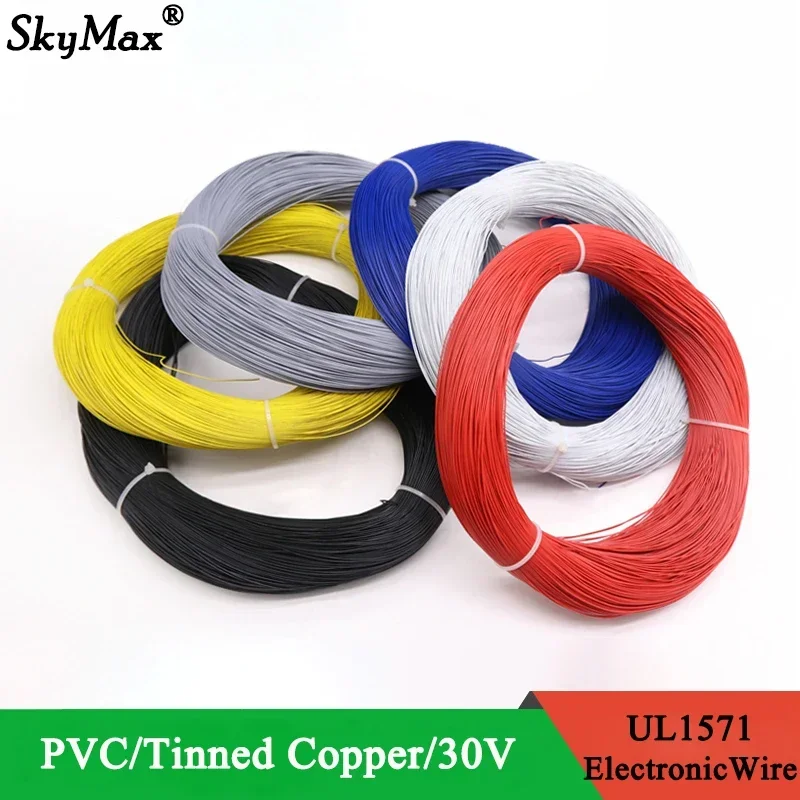
The wire is offered in multiple colors, including red, brown, green, blue, white, black, yellow, purple, gray, and orange. This color diversity is not merely aesthetic.
Color-coding is an indispensable practice in complex wiring harnesses and circuit boards. It allows for quick identification of different signal paths, power lines, or ground connections, drastically reducing troubleshooting time and minimizing errors during assembly or repair. A clear visual distinction is invaluable.
Working with monochrome wire bundles can quickly lead to confusion and increased labor time. The availability of multiple colors enables a systematic approach to wiring, enhancing both the speed and accuracy of electronic projects. This organizational benefit directly impacts project turnaround times.
This electronic wire is explicitly marketed for LED lines and DIY cords. Its specifications align well with these applications.
The 30V voltage rating and various gauges make it suitable for low-voltage DC applications common in LED lighting, hobby electronics, and prototyping. The tinned copper ensures good conductivity for these uses, while the PVC insulation provides necessary protection. It is an economical choice for many projects.
For hobbyists and repair shops, the cost-effectiveness of this wire allows for extensive experimentation and repair without significant material overhead. This value proposition is particularly attractive when undertaking multiple projects or stocking up on essential supplies. It reduces overall project costs.
The combination of tinned copper and appropriate insulation directly impacts connection reliability. Stable connections are paramount.
Reliable connections are fundamental to the proper functioning of any electronic device. The tinned copper's ease of soldering promotes strong mechanical and electrical bonds, reducing the likelihood of intermittent failures. The consistent insulation thickness across various gauges also contributes to predictable electrical performance, minimizing signal loss or interference.
Inferior wiring can introduce resistance, noise, or intermittent connections, leading to unpredictable device behavior. This wire's material and construction aim to mitigate these common issues, ensuring that the repaired or built circuit performs as intended. It supports robust circuit operation.
Considering its material quality, safety ratings, and gauge variety, this wire contributes significantly to the long-term viability of electronic projects. Investing in quality components pays dividends.
Using reliable wire from the outset prevents premature failures and the associated costs and frustrations of re-doing work. The environmental resistance of tinned copper and the protective qualities of PVC insulation mean that circuits built with this wire are more likely to endure the rigors of their intended environment. This extends the operational life of devices.
Imagine completing a complex DIY project or a critical repair, confident that the internal wiring will not be the weakest link. This wire provides the foundational reliability necessary for such assurance, allowing the focus to remain on the functionality and innovation of the electronic design. It empowers creators and repairers alike to build with confidence, knowing their connections are sound and their projects are built to last, minimizing future maintenance and maximizing operational uptime.
Conductor Composition and Durability
The visible product features tinned copper conductors. This material choice is critical for long-term electrical connections.
Tinned copper offers superior resistance to oxidation compared to bare copper. This property ensures consistent conductivity over extended periods, a vital factor in maintaining signal integrity in sensitive electronic circuits. The tin coating also facilitates easier soldering, creating stronger, more reliable joints without excessive heat exposure.
Unlike standard bare copper wire, which can degrade rapidly when exposed to air and moisture, tinned copper maintains its electrical properties. This translates directly to enhanced longevity for repaired devices or new prototypes, minimizing the need for subsequent rework.
Insulation Integrity and Safety Compliance
The wire utilizes PVC (Polyvinyl Chloride) insulation. This is a common and effective choice for general-purpose electronic wiring.
PVC insulation provides excellent dielectric strength, effectively preventing short circuits and ensuring current flows only where intended. The material's flexibility allows for easier routing within compact enclosures, a frequent challenge in modern electronics. Furthermore, the UL1571 rating signifies adherence to specific safety and performance standards for internal wiring, providing a layer of assurance regarding its operational characteristics.
Generic, unrated wires often present unknown risks regarding insulation breakdown or thermal performance. The UL1571 certification on this wire indicates it has been tested for a 30V maximum voltage and an 80°C rated temperature. This ensures the insulation remains stable under typical operating conditions, preventing thermal degradation that could lead to electrical failures or fire hazards.
Gauge Versatility for Precision Work
The product is available in a wide array of gauges, specifically 32, 30, 28, 26, 24, 22, 20, 18, and 16 AWG. This extensive selection is a significant advantage.
Such a broad range of wire gauges allows technicians to select the precise conductor size required for various applications, from delicate signal lines in microelectronics (32 AWG) to power delivery for LEDs or small motors (16 AWG). Correct gauge selection is paramount for preventing overheating and ensuring optimal current flow. Using the right wire prevents performance bottlenecks.
Many suppliers offer only a limited selection of gauges, forcing technicians to compromise or source multiple products. This comprehensive offering streamlines inventory and ensures the right tool is always available for the job. It supports diverse project requirements.
Visual Identification and Workflow Efficiency
The wire is offered in multiple colors, including red, brown, green, blue, white, black, yellow, purple, gray, and orange. This color diversity is not merely aesthetic.
Color-coding is an indispensable practice in complex wiring harnesses and circuit boards. It allows for quick identification of different signal paths, power lines, or ground connections, drastically reducing troubleshooting time and minimizing errors during assembly or repair. A clear visual distinction is invaluable.
Working with monochrome wire bundles can quickly lead to confusion and increased labor time. The availability of multiple colors enables a systematic approach to wiring, enhancing both the speed and accuracy of electronic projects. This organizational benefit directly impacts project turnaround times.
Application Suitability and Economic Value
This electronic wire is explicitly marketed for LED lines and DIY cords. Its specifications align well with these applications.
The 30V voltage rating and various gauges make it suitable for low-voltage DC applications common in LED lighting, hobby electronics, and prototyping. The tinned copper ensures good conductivity for these uses, while the PVC insulation provides necessary protection. It is an economical choice for many projects.
For hobbyists and repair shops, the cost-effectiveness of this wire allows for extensive experimentation and repair without significant material overhead. This value proposition is particularly attractive when undertaking multiple projects or stocking up on essential supplies. It reduces overall project costs.
Connection Reliability and Signal Integrity
The combination of tinned copper and appropriate insulation directly impacts connection reliability. Stable connections are paramount.
Reliable connections are fundamental to the proper functioning of any electronic device. The tinned copper's ease of soldering promotes strong mechanical and electrical bonds, reducing the likelihood of intermittent failures. The consistent insulation thickness across various gauges also contributes to predictable electrical performance, minimizing signal loss or interference.
Inferior wiring can introduce resistance, noise, or intermittent connections, leading to unpredictable device behavior. This wire's material and construction aim to mitigate these common issues, ensuring that the repaired or built circuit performs as intended. It supports robust circuit operation.
Long-Term Project Viability
Considering its material quality, safety ratings, and gauge variety, this wire contributes significantly to the long-term viability of electronic projects. Investing in quality components pays dividends.
Using reliable wire from the outset prevents premature failures and the associated costs and frustrations of re-doing work. The environmental resistance of tinned copper and the protective qualities of PVC insulation mean that circuits built with this wire are more likely to endure the rigors of their intended environment. This extends the operational life of devices.
Imagine completing a complex DIY project or a critical repair, confident that the internal wiring will not be the weakest link. This wire provides the foundational reliability necessary for such assurance, allowing the focus to remain on the functionality and innovation of the electronic design. It empowers creators and repairers alike to build with confidence, knowing their connections are sound and their projects are built to last, minimizing future maintenance and maximizing operational uptime.