Rosin Core Solder Wire (Sn 60/Pb 40)
Official Store Deal
Expert Analysis Overview
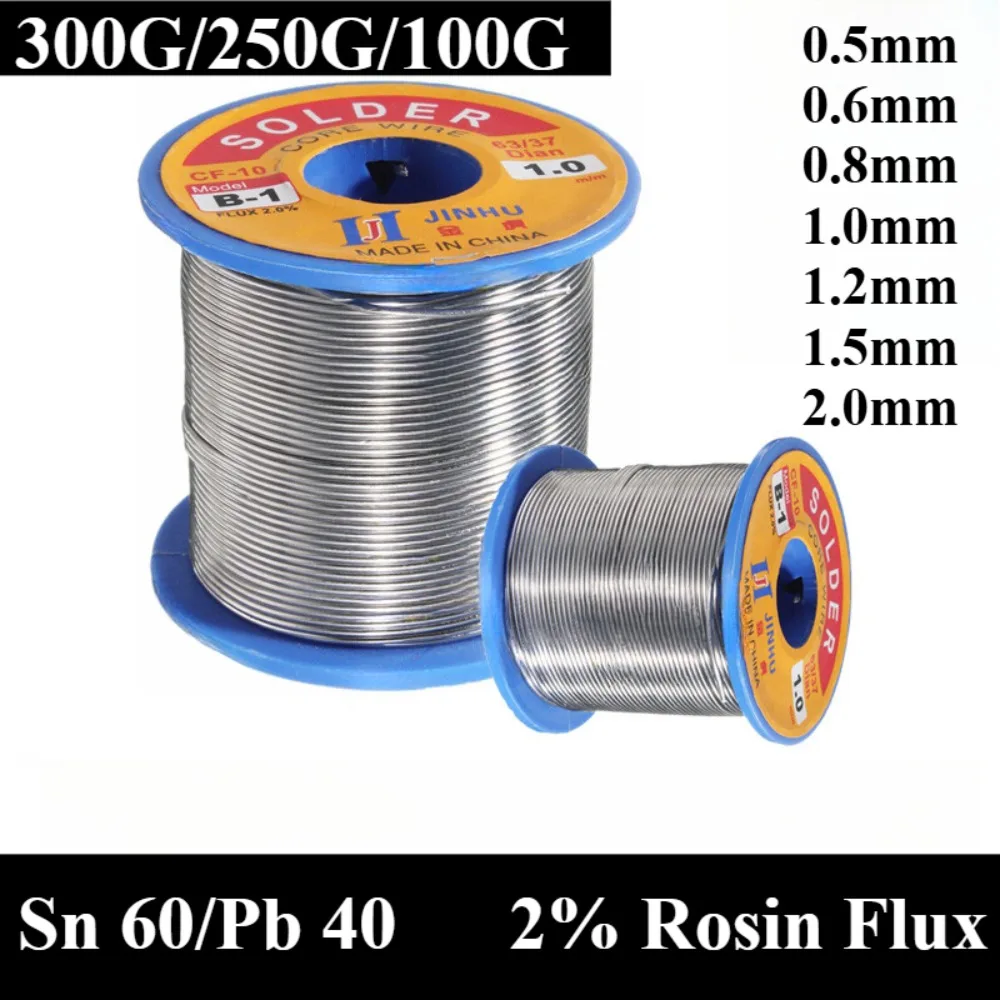
The Rosin Core Solder Wire is a foundational consumable designed for hobbyists, electronics students, and DIY enthusiasts seeking reliable, consistent solder joints. This particular formulation, typically Sn 60/Pb 40 with a 2% rosin flux, offers a lower melting point and excellent wetting characteristics, making it an ideal choice for general electronics repair and assembly. Its self-fluxing nature simplifies the soldering process, reducing the need for external flux application and promoting cleaner, brighter connections.
This solder wire features a 60% Tin (Sn) and 40% Lead (Pb) alloy. This specific ratio is historically one of the most common and widely used in electronics soldering due to its eutectic-like properties, meaning it melts and solidifies at a relatively consistent temperature. Such consistency is crucial for forming strong, reliable electrical and mechanical bonds.
Unlike lead-free alternatives which often require higher temperatures and can be more challenging to work with, the Sn 60/Pb 40 alloy melts at approximately 183-190°C (361-374°F). This lower melting point reduces the thermal stress on sensitive electronic components, minimizing the risk of damage during the soldering process. For those learning the craft, this translates to a more forgiving experience. The alloy also exhibits excellent flow characteristics, allowing the molten solder to spread easily across component leads and pads, ensuring full coverage and robust connections.
When compared to pure tin or other less common alloys, the Sn 60/Pb 40 blend provides a balance of strength, conductivity, and workability. It offers a bright, shiny finish when cooled correctly, which is often an indicator of a good solder joint. This visual feedback is especially valuable for beginners, allowing them to quickly assess the quality of their work and refine their technique.
Central to this solder wire's appeal is its 2% rosin flux core. Flux plays a critical role in soldering by cleaning the metal surfaces of oxides and preventing re-oxidation during heating. Without flux, solder would struggle to wet the surfaces, leading to poor adhesion and unreliable connections.
This integrated rosin core eliminates the need for separate flux application, streamlining the soldering workflow. The flux activates when heated, effectively preparing the surfaces for the molten solder. This self-contained design is particularly beneficial for beginners or in educational settings, as it reduces complexity and potential for error. Consistent flux delivery ensures that every joint receives the necessary cleaning action.
Compared to acid-core solders, rosin flux is non-corrosive to electronic components. This makes it safe for long-term use in sensitive circuits, preventing degradation or shorts over time. The residue left behind by rosin flux is typically non-conductive and can often be left on the board, though cleaning is recommended for aesthetic or high-frequency applications. The convenience of a pre-fluxed wire significantly enhances efficiency. It also helps in achieving reliable solder joint formation for beginners, as the flux ensures consistent wetting and strong mechanical bonds.
The solder wire is available in a range of diameters, including 0.5mm, 0.6mm, 0.8mm, 1.0mm, 1.2mm, 1.5mm, and 2.0mm. This variety allows users to select the appropriate gauge for their specific soldering tasks. Each diameter offers distinct advantages for different applications.
Thinner wires, such as 0.5mm or 0.6mm, are ideal for intricate work on Surface Mount Devices (SMD) or closely spaced through-hole components. Their fine gauge allows for precise application of solder, minimizing the risk of bridging adjacent pads. These smaller diameters are essential for detailed electronics repair where component density is high. They enable controlled solder dispensing.
Medium diameters, like 0.8mm or 1.0mm, represent a versatile choice for general-purpose electronics. They provide a good balance between precision and speed, suitable for most through-hole components, wires, and small connectors. This is often the go-to size for hobbyists and students. It offers excellent all-around utility.
Larger diameters, such as 1.5mm or 2.0mm, are better suited for heavier-duty applications. These include soldering larger wires, connectors, battery terminals, or components with substantial thermal mass. The increased volume of solder delivered per unit length makes these gauges more efficient for tasks requiring a significant amount of solder. They ensure quicker fills for larger joints. Selecting the correct diameter is crucial for efficient and effective soldering, preventing both insufficient solder and excessive waste.
Available in 100g, 250g, and 300g spools, this solder wire caters to different usage frequencies and project scales. The choice of spool weight impacts both convenience and long-term value.
A 100g spool is an excellent starting point for beginners or those with occasional soldering needs. It is compact and portable, making it easy to store and transport. This smaller size is perfect for testing the waters or for projects that don't require a large volume of solder. It minimizes initial investment.
For more frequent users, hobbyists, or educational institutions, the 250g or 300g spools offer better value and reduce the need for frequent reordering. These larger spools ensure a consistent supply of solder for ongoing projects or classroom use. Stocking up now prevents running out later. The consistent material quality across these larger spools ensures reliable performance throughout their lifespan, which is crucial for teaching students safely and ensuring reliable joint formation.
The weight of the plastic spool itself is included in the stated total weight, a common practice for these products. This transparency is helpful for managing expectations. Regardless of the spool size, the inherent properties of the Sn 60/Pb 40 alloy and rosin flux core remain consistent, providing a reliable and easy-to-use soldering experience across all available packages.
This solder wire is specifically formulated to produce bright, low-temperature solder joints. The term "low temperature" refers to the relatively low melting point of the Sn 60/Pb 40 alloy compared to lead-free alternatives. This characteristic is a significant advantage for working with heat-sensitive components.
The ability to achieve bright solder joints is a key indicator of good soldering technique and proper material properties. A bright, shiny joint signifies that the solder has properly wetted the surfaces and cooled without disturbance, resulting in a strong, electrically conductive connection. Dull or grainy joints often indicate a "cold solder joint," which can lead to intermittent connections or complete circuit failure. This product helps mitigate that risk.
For students and beginners, the visual feedback of a bright joint is invaluable for learning. It allows them to quickly identify when they have applied sufficient heat and solder, and when their technique needs adjustment. The rosin core further aids in this by ensuring clean surfaces, which are essential for achieving that desirable bright finish. This combination makes the learning curve smoother and more rewarding. It fosters confidence in new users.
From a shop instructor's viewpoint, this rosin core solder wire is a highly recommended foundational material for any electronics workbench or classroom. Its ease of use and consistent performance are paramount for teaching students safely and effectively. The lower melting point of the Sn 60/Pb 40 alloy reduces the risk of overheating components, which is a common mistake for novices. This makes the learning process less daunting.
The integrated rosin flux core simplifies the entire operation. Students can focus on proper iron control and component placement without the added complexity of managing external flux. This streamlined approach minimizes variables, allowing for a clearer understanding of the core soldering principles. The consistent flux delivery ensures that each attempt has a higher chance of success, building confidence.
Furthermore, the clear visual cues of a bright solder joint provide immediate feedback. This instant gratification and clear indication of success are incredibly motivating for learners. The availability of various diameters means that students can progress from general-purpose soldering to more intricate tasks, gradually developing their skills. This product supports a structured learning environment. It ensures that students can reliably form solder joints, which is a critical skill in electronics.
This solder wire effectively addresses common frustrations faced by beginners, such as cold joints or poor wetting, by providing a material that is inherently forgiving and promotes good results. It is an upgrade from generic, unfluxed solder, offering a more predictable and enjoyable experience. The value is framed not just in its price, but in the reduced frustration and increased success rate it offers to new learners. This capability allows students to focus on technique rather than fighting with inconsistent materials.
To ensure the longevity of both the solder wire and the components being worked on, proper maintenance and usage techniques are essential. Storing the solder in a dry, cool environment, away from direct sunlight, helps preserve the integrity of the flux core and prevents premature oxidation of the alloy. This simple step ensures peak performance.
Regular cleaning of the soldering iron tip is also critical. A clean, properly tinned tip transfers heat efficiently, leading to better solder flow and brighter joints. Using a brass wool cleaner or a damp sponge can remove excess solder and flux residue from the tip. This practice extends tip life significantly.
Understanding the optimal temperature for soldering is key. While the Sn 60/Pb 40 alloy melts at a relatively low temperature, the iron itself needs to be hot enough to quickly bring the joint to temperature without prolonged contact. This rapid heat transfer minimizes component stress. A well-maintained iron and high-quality solder wire work in tandem to create superior connections every time. This ensures durable controls, or rather, consistent and reliable results from your soldering equipment.
Imagine the satisfaction of effortlessly creating clean, strong, and visually perfect solder joints on your next electronics project. This rosin core solder wire empowers you to tackle repairs, build new circuits, and confidently refine your skills, transforming challenging tasks into rewarding achievements. It's the reliable partner you need for every connection. You will experience fewer frustrating cold joints and more successful builds. This ensures your projects come to life with professional-grade connections, every single time.
The Composition Advantage: Sn 60/Pb 40 Alloy
This solder wire features a 60% Tin (Sn) and 40% Lead (Pb) alloy. This specific ratio is historically one of the most common and widely used in electronics soldering due to its eutectic-like properties, meaning it melts and solidifies at a relatively consistent temperature. Such consistency is crucial for forming strong, reliable electrical and mechanical bonds.
Unlike lead-free alternatives which often require higher temperatures and can be more challenging to work with, the Sn 60/Pb 40 alloy melts at approximately 183-190°C (361-374°F). This lower melting point reduces the thermal stress on sensitive electronic components, minimizing the risk of damage during the soldering process. For those learning the craft, this translates to a more forgiving experience. The alloy also exhibits excellent flow characteristics, allowing the molten solder to spread easily across component leads and pads, ensuring full coverage and robust connections.
When compared to pure tin or other less common alloys, the Sn 60/Pb 40 blend provides a balance of strength, conductivity, and workability. It offers a bright, shiny finish when cooled correctly, which is often an indicator of a good solder joint. This visual feedback is especially valuable for beginners, allowing them to quickly assess the quality of their work and refine their technique.
The Integrated Rosin Flux Core
Central to this solder wire's appeal is its 2% rosin flux core. Flux plays a critical role in soldering by cleaning the metal surfaces of oxides and preventing re-oxidation during heating. Without flux, solder would struggle to wet the surfaces, leading to poor adhesion and unreliable connections.
This integrated rosin core eliminates the need for separate flux application, streamlining the soldering workflow. The flux activates when heated, effectively preparing the surfaces for the molten solder. This self-contained design is particularly beneficial for beginners or in educational settings, as it reduces complexity and potential for error. Consistent flux delivery ensures that every joint receives the necessary cleaning action.
Compared to acid-core solders, rosin flux is non-corrosive to electronic components. This makes it safe for long-term use in sensitive circuits, preventing degradation or shorts over time. The residue left behind by rosin flux is typically non-conductive and can often be left on the board, though cleaning is recommended for aesthetic or high-frequency applications. The convenience of a pre-fluxed wire significantly enhances efficiency. It also helps in achieving reliable solder joint formation for beginners, as the flux ensures consistent wetting and strong mechanical bonds.
Versatile Diameter Options for Diverse Projects
The solder wire is available in a range of diameters, including 0.5mm, 0.6mm, 0.8mm, 1.0mm, 1.2mm, 1.5mm, and 2.0mm. This variety allows users to select the appropriate gauge for their specific soldering tasks. Each diameter offers distinct advantages for different applications.
Thinner wires, such as 0.5mm or 0.6mm, are ideal for intricate work on Surface Mount Devices (SMD) or closely spaced through-hole components. Their fine gauge allows for precise application of solder, minimizing the risk of bridging adjacent pads. These smaller diameters are essential for detailed electronics repair where component density is high. They enable controlled solder dispensing.
Medium diameters, like 0.8mm or 1.0mm, represent a versatile choice for general-purpose electronics. They provide a good balance between precision and speed, suitable for most through-hole components, wires, and small connectors. This is often the go-to size for hobbyists and students. It offers excellent all-around utility.
Larger diameters, such as 1.5mm or 2.0mm, are better suited for heavier-duty applications. These include soldering larger wires, connectors, battery terminals, or components with substantial thermal mass. The increased volume of solder delivered per unit length makes these gauges more efficient for tasks requiring a significant amount of solder. They ensure quicker fills for larger joints. Selecting the correct diameter is crucial for efficient and effective soldering, preventing both insufficient solder and excessive waste.
Spool Weights for Varied Usage
Available in 100g, 250g, and 300g spools, this solder wire caters to different usage frequencies and project scales. The choice of spool weight impacts both convenience and long-term value.
A 100g spool is an excellent starting point for beginners or those with occasional soldering needs. It is compact and portable, making it easy to store and transport. This smaller size is perfect for testing the waters or for projects that don't require a large volume of solder. It minimizes initial investment.
For more frequent users, hobbyists, or educational institutions, the 250g or 300g spools offer better value and reduce the need for frequent reordering. These larger spools ensure a consistent supply of solder for ongoing projects or classroom use. Stocking up now prevents running out later. The consistent material quality across these larger spools ensures reliable performance throughout their lifespan, which is crucial for teaching students safely and ensuring reliable joint formation.
The weight of the plastic spool itself is included in the stated total weight, a common practice for these products. This transparency is helpful for managing expectations. Regardless of the spool size, the inherent properties of the Sn 60/Pb 40 alloy and rosin flux core remain consistent, providing a reliable and easy-to-use soldering experience across all available packages.
Achieving Bright, Low-Temperature Solder Joints
This solder wire is specifically formulated to produce bright, low-temperature solder joints. The term "low temperature" refers to the relatively low melting point of the Sn 60/Pb 40 alloy compared to lead-free alternatives. This characteristic is a significant advantage for working with heat-sensitive components.
The ability to achieve bright solder joints is a key indicator of good soldering technique and proper material properties. A bright, shiny joint signifies that the solder has properly wetted the surfaces and cooled without disturbance, resulting in a strong, electrically conductive connection. Dull or grainy joints often indicate a "cold solder joint," which can lead to intermittent connections or complete circuit failure. This product helps mitigate that risk.
For students and beginners, the visual feedback of a bright joint is invaluable for learning. It allows them to quickly identify when they have applied sufficient heat and solder, and when their technique needs adjustment. The rosin core further aids in this by ensuring clean surfaces, which are essential for achieving that desirable bright finish. This combination makes the learning curve smoother and more rewarding. It fosters confidence in new users.
The Shop Instructor's Perspective: A Foundation for Learning
From a shop instructor's viewpoint, this rosin core solder wire is a highly recommended foundational material for any electronics workbench or classroom. Its ease of use and consistent performance are paramount for teaching students safely and effectively. The lower melting point of the Sn 60/Pb 40 alloy reduces the risk of overheating components, which is a common mistake for novices. This makes the learning process less daunting.
The integrated rosin flux core simplifies the entire operation. Students can focus on proper iron control and component placement without the added complexity of managing external flux. This streamlined approach minimizes variables, allowing for a clearer understanding of the core soldering principles. The consistent flux delivery ensures that each attempt has a higher chance of success, building confidence.
Furthermore, the clear visual cues of a bright solder joint provide immediate feedback. This instant gratification and clear indication of success are incredibly motivating for learners. The availability of various diameters means that students can progress from general-purpose soldering to more intricate tasks, gradually developing their skills. This product supports a structured learning environment. It ensures that students can reliably form solder joints, which is a critical skill in electronics.
This solder wire effectively addresses common frustrations faced by beginners, such as cold joints or poor wetting, by providing a material that is inherently forgiving and promotes good results. It is an upgrade from generic, unfluxed solder, offering a more predictable and enjoyable experience. The value is framed not just in its price, but in the reduced frustration and increased success rate it offers to new learners. This capability allows students to focus on technique rather than fighting with inconsistent materials.
Maintaining Optimal Performance and Longevity
To ensure the longevity of both the solder wire and the components being worked on, proper maintenance and usage techniques are essential. Storing the solder in a dry, cool environment, away from direct sunlight, helps preserve the integrity of the flux core and prevents premature oxidation of the alloy. This simple step ensures peak performance.
Regular cleaning of the soldering iron tip is also critical. A clean, properly tinned tip transfers heat efficiently, leading to better solder flow and brighter joints. Using a brass wool cleaner or a damp sponge can remove excess solder and flux residue from the tip. This practice extends tip life significantly.
Understanding the optimal temperature for soldering is key. While the Sn 60/Pb 40 alloy melts at a relatively low temperature, the iron itself needs to be hot enough to quickly bring the joint to temperature without prolonged contact. This rapid heat transfer minimizes component stress. A well-maintained iron and high-quality solder wire work in tandem to create superior connections every time. This ensures durable controls, or rather, consistent and reliable results from your soldering equipment.
Imagine the satisfaction of effortlessly creating clean, strong, and visually perfect solder joints on your next electronics project. This rosin core solder wire empowers you to tackle repairs, build new circuits, and confidently refine your skills, transforming challenging tasks into rewarding achievements. It's the reliable partner you need for every connection. You will experience fewer frustrating cold joints and more successful builds. This ensures your projects come to life with professional-grade connections, every single time.