Qingping Smart CO2, Temperature, and Humidity Monitor
Official Store Deal
Expert Analysis Overview
The Qingping Smart CO2, Temperature, and Humidity Monitor is a critical environmental assessment tool designed for homeowners, facility managers, and home inspectors prioritizing indoor air quality and comfort. This device offers precise, real-time data on key atmospheric parameters within any enclosed space, providing actionable insights for maintaining a healthy and efficient indoor environment. Its integrated sensors and smart connectivity elevate standard environmental monitoring to a proactive management system.
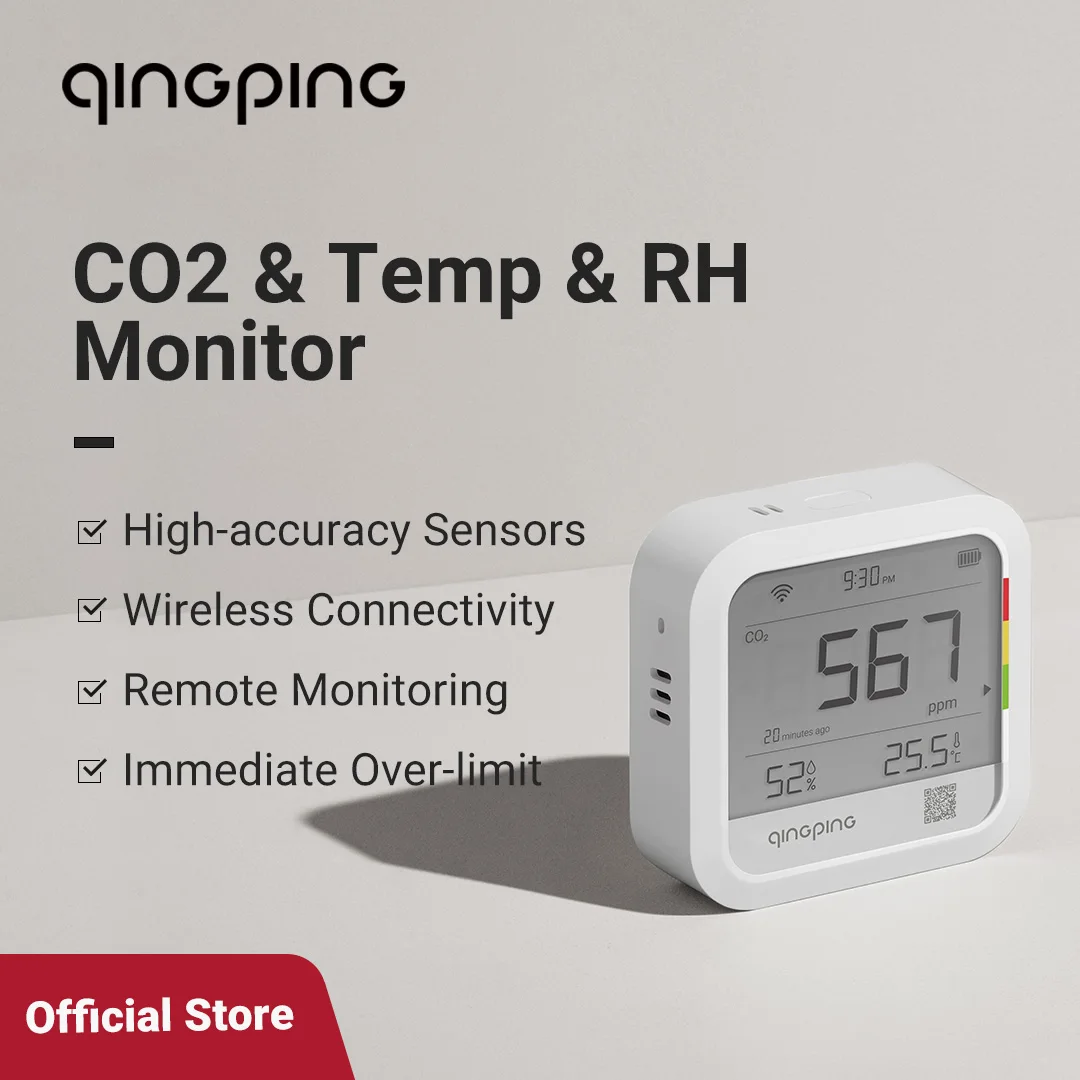
This monitor integrates high-accuracy sensors for carbon dioxide (CO2), temperature, and relative humidity (RH). The visible display clearly presents these readings, allowing for immediate assessment of indoor conditions. Such comprehensive data is vital.
For CO2 detection, the device employs NDIR (Non-Dispersive Infrared) CO2 Sensing Technology. This method is widely recognized for its accuracy and stability in measuring CO2 concentrations, a critical factor for assessing ventilation effectiveness and potential health impacts. The specified range of 400-9999 ppm covers typical indoor environments and extends to levels indicating poor air exchange.
Understanding NDIR technology is crucial. It works by shining an infrared light through a sample of air and measuring how much light is absorbed by CO2 molecules. Different gases absorb different wavelengths of infrared light. This method provides reliable and consistent readings, unlike some electrochemical sensors that can drift over time or be affected by other gases. Accurate CO2 readings are non-negotiable.
Beyond CO2, the device tracks temperature and relative humidity. These metrics are fundamental to occupant comfort and building health. Fluctuations in these levels can signal issues ranging from inefficient HVAC systems to potential moisture accumulation, which a home inspector would note. The monitor provides a continuous environmental snapshot.
Compared to basic analog thermometers or hygrometers, this integrated digital unit offers a multi-parameter view. It eliminates the need for multiple single-purpose devices, streamlining the monitoring process. The combined data provides a more holistic understanding of indoor conditions.
A significant advantage of the Qingping monitor is its Wi-Fi Connectivity. This feature allows the device to connect to a local network, enabling remote data upload and monitoring. Wireless connectivity is essential for modern property management.
Data is uploaded periodically, or, critically, when triggered by over-limit conditions. This proactive alerting mechanism ensures that users are immediately informed of any deviations from set thresholds for CO2, temperature, or humidity. Immediate notifications are a game-changer.
The system supports remote monitoring, allowing users to view current and historical data from anywhere via a dedicated application. This capability is invaluable for property managers overseeing multiple locations or homeowners wanting peace of mind while away. It provides continuous oversight.
Furthermore, the platform allows for viewing and exporting historical data. This functionality is particularly useful for identifying trends, diagnosing persistent issues, or generating reports for clients or stakeholders. Data logging is a powerful diagnostic tool.
Unlike simpler, standalone monitors that only provide on-device readings, this Wi-Fi enabled system offers a comprehensive data trail. This allows for long-term analysis of indoor air quality patterns, helping to pinpoint root causes of discomfort or potential hazards. The ability to export data facilitates detailed analysis.
Alerts are delivered through multiple channels, including buzzer sound, app notifications, email, and text messages. This multi-channel approach ensures that critical warnings are not missed, providing redundancy in communication. Diverse alert options enhance reliability.
For a home inspector, the ability to remotely monitor conditions over time and export data is transformative. It allows for pre-inspection assessments or post-remediation verification without constant physical presence. This capability streamlines operations and enhances reporting accuracy. It's a professional-grade feature.
The monitor features a compact, square design with a clear digital display. The aesthetic is minimalist and functional, designed to blend into various indoor environments. Its unobtrusive presence is a benefit.
The display is easy to read, showing CO2 levels prominently, alongside temperature and humidity. A color-coded indicator on the side provides a quick visual cue of air quality status, simplifying immediate interpretation. This visual feedback is intuitive.
Power is supplied via a USB-C port, indicating modern design choices and broad compatibility with existing charging infrastructure. The device is designed for continuous operation, typically powered via a wall adapter. USB-C is a convenient standard.
Installation appears straightforward, with the device designed for wall mounting or placement on a flat surface. Its small footprint means it won't dominate a space. Setup is simple.
Compared to bulkier industrial monitors, this unit offers a consumer-friendly form factor without sacrificing critical data. Its design prioritizes ease of use and visual clarity, making complex environmental data accessible. The user interface is clean and functional.
For a home inspector, this device offers several practical applications that extend beyond basic air quality checks. The data it provides can be instrumental in identifying conditions that lead to larger structural or health issues. It's an investigative aid.
While not a direct leak detector, consistently high humidity readings in specific areas, especially after rain, can indicate potential hidden leaks behind walls or inadequate moisture barriers. The monitor provides the initial data point for further investigation. Persistent humidity is a red flag.
Monitoring CO2 levels helps assess ventilation efficacy. In older homes or tightly sealed modern constructions, poor ventilation can lead to stale air, increased pollutant concentrations, and discomfort. This monitor quantifies air exchange issues. It flags ventilation problems.
For generating client reports, the ability to view and export historical data is invaluable. An inspector can deploy the monitor, collect data over a period, and then present a clear, data-backed assessment of indoor air quality to clients. This adds significant value to an inspection service. Data-driven reports build trust.
This monitor allows for a more scientific approach to indoor environmental assessment. Instead of relying solely on subjective observations, inspectors can provide concrete data on CO2, temperature, and humidity, enhancing the credibility and thoroughness of their reports. It provides objective evidence.
Imagine a scenario where a client complains of persistent stuffiness or unusual odors. Deploying this monitor can quickly reveal if high CO2 levels indicate insufficient fresh air, or if elevated humidity points to a moisture source. The device helps pinpoint the problem.
This device serves as an upgrade from traditional spot-check methods. Instead of a single reading, it offers continuous monitoring, capturing fluctuations and trends that might otherwise be missed. This continuous data stream provides a more complete picture of the indoor environment.
The Qingping monitor represents a significant investment in indoor environmental health and building integrity. Its upfront cost is offset by the long-term benefits of preventing costly repairs and maintaining optimal living or working conditions. It offers substantial return on investment.
By proactively identifying issues like poor ventilation or high humidity, users can address problems before they escalate into major mold infestations, structural damage, or chronic health complaints. Early detection saves money and protects health. Prevention is key.
The device's robust NDIR sensor technology promises longevity and consistent performance, reducing the need for frequent recalibration or replacement. This contributes to a lower cost of ownership over time. Durability ensures lasting value.
Consider the cost of remediation for mold or the health implications of prolonged exposure to high CO2 levels. The price of this monitor pales in comparison to such expenses. It is a small price for peace of mind and proactive management. It's an essential safeguard.
This monitor is an upgrade from reactive problem-solving to proactive environmental management. It empowers users with the data needed to make informed decisions about ventilation, dehumidification, and overall indoor air quality. It shifts the paradigm to prevention.
Imagine the assurance of knowing your indoor environment is continuously monitored for critical air quality parameters. Envision receiving immediate alerts on your phone if CO2 levels rise too high, prompting you to open a window or adjust ventilation. Picture effortlessly generating detailed reports for clients, showcasing your commitment to thoroughness and data-driven insights. This device transforms uncertainty into informed control, ensuring healthier, more comfortable spaces for occupants and providing invaluable diagnostic capabilities for professionals.
Precision Environmental Sensing
This monitor integrates high-accuracy sensors for carbon dioxide (CO2), temperature, and relative humidity (RH). The visible display clearly presents these readings, allowing for immediate assessment of indoor conditions. Such comprehensive data is vital.
For CO2 detection, the device employs NDIR (Non-Dispersive Infrared) CO2 Sensing Technology. This method is widely recognized for its accuracy and stability in measuring CO2 concentrations, a critical factor for assessing ventilation effectiveness and potential health impacts. The specified range of 400-9999 ppm covers typical indoor environments and extends to levels indicating poor air exchange.
Understanding NDIR technology is crucial. It works by shining an infrared light through a sample of air and measuring how much light is absorbed by CO2 molecules. Different gases absorb different wavelengths of infrared light. This method provides reliable and consistent readings, unlike some electrochemical sensors that can drift over time or be affected by other gases. Accurate CO2 readings are non-negotiable.
Beyond CO2, the device tracks temperature and relative humidity. These metrics are fundamental to occupant comfort and building health. Fluctuations in these levels can signal issues ranging from inefficient HVAC systems to potential moisture accumulation, which a home inspector would note. The monitor provides a continuous environmental snapshot.
Compared to basic analog thermometers or hygrometers, this integrated digital unit offers a multi-parameter view. It eliminates the need for multiple single-purpose devices, streamlining the monitoring process. The combined data provides a more holistic understanding of indoor conditions.
Intelligent Connectivity and Alerting
A significant advantage of the Qingping monitor is its Wi-Fi Connectivity. This feature allows the device to connect to a local network, enabling remote data upload and monitoring. Wireless connectivity is essential for modern property management.
Data is uploaded periodically, or, critically, when triggered by over-limit conditions. This proactive alerting mechanism ensures that users are immediately informed of any deviations from set thresholds for CO2, temperature, or humidity. Immediate notifications are a game-changer.
The system supports remote monitoring, allowing users to view current and historical data from anywhere via a dedicated application. This capability is invaluable for property managers overseeing multiple locations or homeowners wanting peace of mind while away. It provides continuous oversight.
Furthermore, the platform allows for viewing and exporting historical data. This functionality is particularly useful for identifying trends, diagnosing persistent issues, or generating reports for clients or stakeholders. Data logging is a powerful diagnostic tool.
Unlike simpler, standalone monitors that only provide on-device readings, this Wi-Fi enabled system offers a comprehensive data trail. This allows for long-term analysis of indoor air quality patterns, helping to pinpoint root causes of discomfort or potential hazards. The ability to export data facilitates detailed analysis.
Alerts are delivered through multiple channels, including buzzer sound, app notifications, email, and text messages. This multi-channel approach ensures that critical warnings are not missed, providing redundancy in communication. Diverse alert options enhance reliability.
For a home inspector, the ability to remotely monitor conditions over time and export data is transformative. It allows for pre-inspection assessments or post-remediation verification without constant physical presence. This capability streamlines operations and enhances reporting accuracy. It's a professional-grade feature.
Design and User Experience
The monitor features a compact, square design with a clear digital display. The aesthetic is minimalist and functional, designed to blend into various indoor environments. Its unobtrusive presence is a benefit.
The display is easy to read, showing CO2 levels prominently, alongside temperature and humidity. A color-coded indicator on the side provides a quick visual cue of air quality status, simplifying immediate interpretation. This visual feedback is intuitive.
Power is supplied via a USB-C port, indicating modern design choices and broad compatibility with existing charging infrastructure. The device is designed for continuous operation, typically powered via a wall adapter. USB-C is a convenient standard.
Installation appears straightforward, with the device designed for wall mounting or placement on a flat surface. Its small footprint means it won't dominate a space. Setup is simple.
Compared to bulkier industrial monitors, this unit offers a consumer-friendly form factor without sacrificing critical data. Its design prioritizes ease of use and visual clarity, making complex environmental data accessible. The user interface is clean and functional.
Practical Applications for Home Inspectors
For a home inspector, this device offers several practical applications that extend beyond basic air quality checks. The data it provides can be instrumental in identifying conditions that lead to larger structural or health issues. It's an investigative aid.
While not a direct leak detector, consistently high humidity readings in specific areas, especially after rain, can indicate potential hidden leaks behind walls or inadequate moisture barriers. The monitor provides the initial data point for further investigation. Persistent humidity is a red flag.
Monitoring CO2 levels helps assess ventilation efficacy. In older homes or tightly sealed modern constructions, poor ventilation can lead to stale air, increased pollutant concentrations, and discomfort. This monitor quantifies air exchange issues. It flags ventilation problems.
For generating client reports, the ability to view and export historical data is invaluable. An inspector can deploy the monitor, collect data over a period, and then present a clear, data-backed assessment of indoor air quality to clients. This adds significant value to an inspection service. Data-driven reports build trust.
This monitor allows for a more scientific approach to indoor environmental assessment. Instead of relying solely on subjective observations, inspectors can provide concrete data on CO2, temperature, and humidity, enhancing the credibility and thoroughness of their reports. It provides objective evidence.
Imagine a scenario where a client complains of persistent stuffiness or unusual odors. Deploying this monitor can quickly reveal if high CO2 levels indicate insufficient fresh air, or if elevated humidity points to a moisture source. The device helps pinpoint the problem.
This device serves as an upgrade from traditional spot-check methods. Instead of a single reading, it offers continuous monitoring, capturing fluctuations and trends that might otherwise be missed. This continuous data stream provides a more complete picture of the indoor environment.
Value Proposition and Long-Term Benefits
The Qingping monitor represents a significant investment in indoor environmental health and building integrity. Its upfront cost is offset by the long-term benefits of preventing costly repairs and maintaining optimal living or working conditions. It offers substantial return on investment.
By proactively identifying issues like poor ventilation or high humidity, users can address problems before they escalate into major mold infestations, structural damage, or chronic health complaints. Early detection saves money and protects health. Prevention is key.
The device's robust NDIR sensor technology promises longevity and consistent performance, reducing the need for frequent recalibration or replacement. This contributes to a lower cost of ownership over time. Durability ensures lasting value.
Consider the cost of remediation for mold or the health implications of prolonged exposure to high CO2 levels. The price of this monitor pales in comparison to such expenses. It is a small price for peace of mind and proactive management. It's an essential safeguard.
This monitor is an upgrade from reactive problem-solving to proactive environmental management. It empowers users with the data needed to make informed decisions about ventilation, dehumidification, and overall indoor air quality. It shifts the paradigm to prevention.
Imagine the assurance of knowing your indoor environment is continuously monitored for critical air quality parameters. Envision receiving immediate alerts on your phone if CO2 levels rise too high, prompting you to open a window or adjust ventilation. Picture effortlessly generating detailed reports for clients, showcasing your commitment to thoroughness and data-driven insights. This device transforms uncertainty into informed control, ensuring healthier, more comfortable spaces for occupants and providing invaluable diagnostic capabilities for professionals.