Portable No-Tune End-Fed Half-Wave Antenna Module
Official Store Deal
Expert Analysis Overview
The Portable No-Tune End-Fed Half-Wave Antenna Module is a specialized impedance matching unit designed for amateur radio enthusiasts seeking simplified antenna deployment without complex tuning procedures. This component streamlines field operations, offering a practical solution for rapid setup.
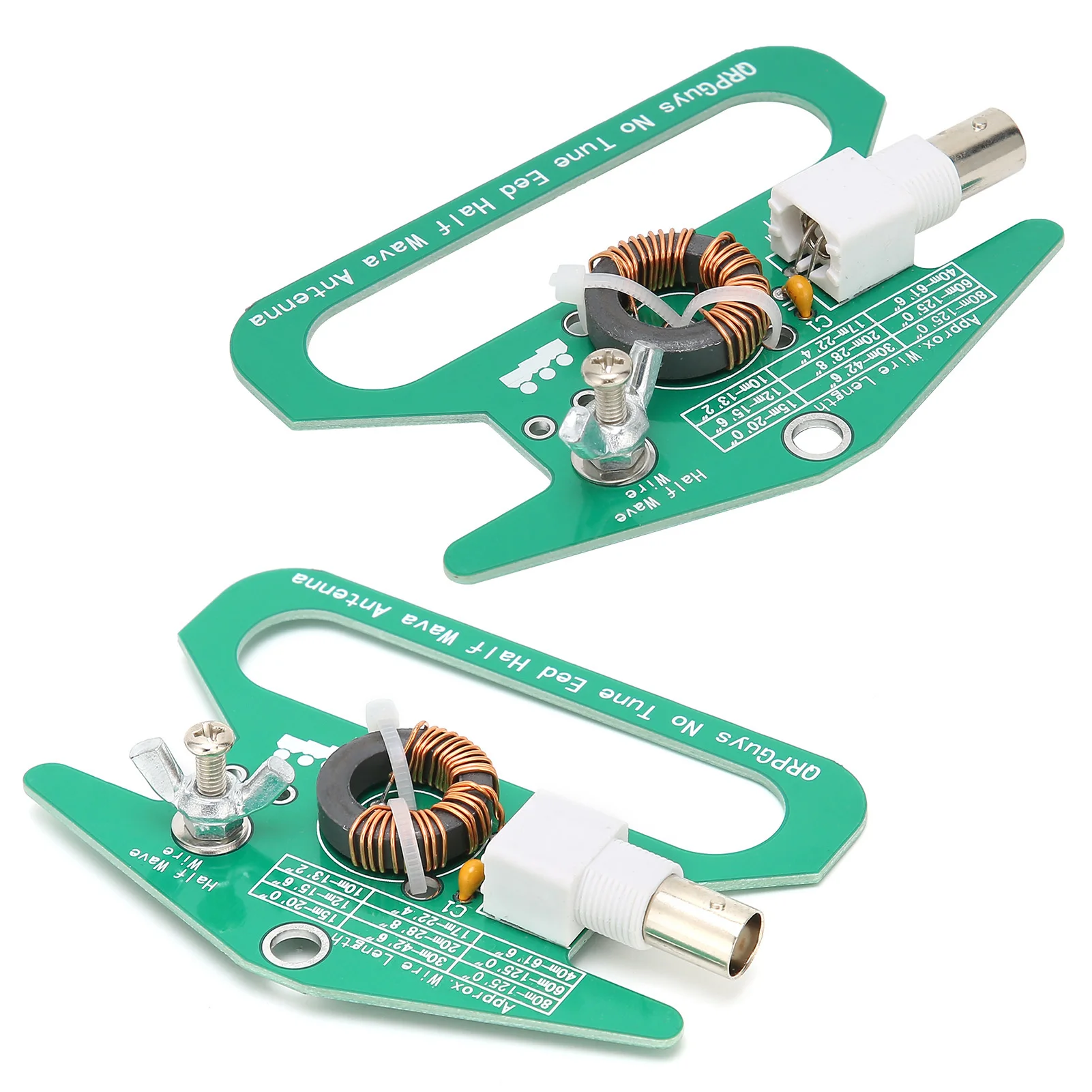
This module's primary function is to provide impedance transformation, converting the high impedance of an end-fed half-wave wire antenna to a standard 50-ohm impedance required by most transceivers. The visible toroid coil, meticulously wound with insulated copper wire, forms the heart of this matching network. Its construction appears robust, secured to the printed circuit board (PCB) with a cable tie, indicating a design focused on maintaining component integrity during portable use. The windings are evenly spaced. This ensures consistent electrical characteristics across the intended frequency range.
In practical application, this impedance matching is critical. Without it, a direct connection of a half-wave wire to a 50-ohm transceiver would result in an extremely high Standing Wave Ratio (SWR), leading to significant power loss and potential damage to the radio's final amplifier stage. The module effectively acts as a balun or unun, though specifically designed for end-fed configurations. It simplifies the electrical interface.
Compared to traditional antenna tuners, which often require manual adjustment for each band, this "no-tune" design offers a distinct advantage. It eliminates the need for complex tuning procedures, making it ideal for quick deployment in varied environments. This saves valuable time in the field.
The green PCB serves as the foundational element, exhibiting clear silk-screened markings for wire lengths and input impedance. The traces are visibly well-defined, suggesting a professional manufacturing process. Solder joints for the BNC connector and the wing nut terminal appear clean and solid, indicating good electrical and mechanical connections. This is crucial for signal integrity.
The BNC connector, a common choice for portable radio equipment, provides a secure and quick-connect interface to the transceiver. Its integration into the PCB is firm, minimizing the risk of intermittent connections during movement. The wing nut terminal, designed for attaching the radiating wire element, offers a tool-free connection. This enhances field deployability.
Unlike many DIY antenna components that might feature hastily soldered connections or flimsy terminals, this module presents a more refined assembly. The visible components suggest a focus on reliability for repeated use. This is a significant upgrade from basic, unmounted balun cores.
The module is explicitly designed for a 50-ohm input impedance, which is the industry standard for most amateur radio transceivers. The "no tune" aspect implies that the internal matching network is broadband, or at least covers a specific range of amateur bands without requiring user adjustment. This simplifies operation considerably.
For optimal performance, the length of the radiating wire element remains critical, as indicated by the printed wire length approximations on the PCB itself. These lengths are typically calculated for specific half-wave resonances on different amateur bands. Adhering to these guidelines ensures the antenna operates efficiently. It maximizes radiated power.
In a scenario where rapid deployment is paramount, such as emergency communications or field day events, this module excels. Its compact size and straightforward connection method allow for quick setup and tear-down. This capability is invaluable for portable operations.
As a Certified Electrician, the primary concern with any electrical component is safety. The module itself is a passive device, but its connection to a transceiver means it will handle RF power. While the specific power rating is not explicitly stated, the size of the toroid and the gauge of the winding wire suggest it is intended for QRP (low power) or moderate power applications, likely up to 100 watts. Exceeding its power handling capabilities could lead to overheating of the toroid or breakdown of the winding insulation. This poses a fire risk.
Proper insulation of the radiating wire is also paramount, especially when deploying the antenna in proximity to personnel or conductive structures. The module's design facilitates easy connection, but the user remains responsible for safe antenna deployment practices. Always ensure the antenna wire is clear of obstructions. This prevents accidental contact.
Compared to high-power antenna tuners that often feature robust enclosures and larger components, this module's open PCB design necessitates careful handling and protection from environmental elements. It is not designed for permanent outdoor installations without additional weatherproofing. This is a key distinction for long-term reliability.
The value of this module lies in its simplicity and portability. For amateur radio operators who frequently engage in portable operations, SOTA (Summits On The Air), POTA (Parks On The Air), or emergency preparedness, this component offers a significant advantage. It reduces the complexity and weight of their field kit. This makes it an attractive option.
At its price point, the module represents an economical solution for achieving effective impedance matching without investing in a more expensive and often heavier automatic antenna tuner. The cost-per-use is exceptionally low, especially for operators who value quick setup over absolute peak performance on every single band. It is a budget-friendly option.
This product is an upgrade for those currently struggling with cumbersome antenna tuning methods or those relying on less efficient random wire antennas. It provides a dedicated, purpose-built solution for end-fed half-wave antennas. This enhances overall operational efficiency. Imagine effortlessly deploying a highly effective antenna in minutes, achieving clear communications from remote locations, and packing up just as quickly, knowing your equipment is optimized for performance and portability. This module empowers you to focus on the joy of radio, not the frustration of setup.
Core Electrical Design and Functionality
This module's primary function is to provide impedance transformation, converting the high impedance of an end-fed half-wave wire antenna to a standard 50-ohm impedance required by most transceivers. The visible toroid coil, meticulously wound with insulated copper wire, forms the heart of this matching network. Its construction appears robust, secured to the printed circuit board (PCB) with a cable tie, indicating a design focused on maintaining component integrity during portable use. The windings are evenly spaced. This ensures consistent electrical characteristics across the intended frequency range.
In practical application, this impedance matching is critical. Without it, a direct connection of a half-wave wire to a 50-ohm transceiver would result in an extremely high Standing Wave Ratio (SWR), leading to significant power loss and potential damage to the radio's final amplifier stage. The module effectively acts as a balun or unun, though specifically designed for end-fed configurations. It simplifies the electrical interface.
Compared to traditional antenna tuners, which often require manual adjustment for each band, this "no-tune" design offers a distinct advantage. It eliminates the need for complex tuning procedures, making it ideal for quick deployment in varied environments. This saves valuable time in the field.
Component Integrity and Build Quality
The green PCB serves as the foundational element, exhibiting clear silk-screened markings for wire lengths and input impedance. The traces are visibly well-defined, suggesting a professional manufacturing process. Solder joints for the BNC connector and the wing nut terminal appear clean and solid, indicating good electrical and mechanical connections. This is crucial for signal integrity.
The BNC connector, a common choice for portable radio equipment, provides a secure and quick-connect interface to the transceiver. Its integration into the PCB is firm, minimizing the risk of intermittent connections during movement. The wing nut terminal, designed for attaching the radiating wire element, offers a tool-free connection. This enhances field deployability.
Unlike many DIY antenna components that might feature hastily soldered connections or flimsy terminals, this module presents a more refined assembly. The visible components suggest a focus on reliability for repeated use. This is a significant upgrade from basic, unmounted balun cores.
Operational Considerations and Performance Implications
The module is explicitly designed for a 50-ohm input impedance, which is the industry standard for most amateur radio transceivers. The "no tune" aspect implies that the internal matching network is broadband, or at least covers a specific range of amateur bands without requiring user adjustment. This simplifies operation considerably.
For optimal performance, the length of the radiating wire element remains critical, as indicated by the printed wire length approximations on the PCB itself. These lengths are typically calculated for specific half-wave resonances on different amateur bands. Adhering to these guidelines ensures the antenna operates efficiently. It maximizes radiated power.
In a scenario where rapid deployment is paramount, such as emergency communications or field day events, this module excels. Its compact size and straightforward connection method allow for quick setup and tear-down. This capability is invaluable for portable operations.
Electrical Safety and Power Handling
As a Certified Electrician, the primary concern with any electrical component is safety. The module itself is a passive device, but its connection to a transceiver means it will handle RF power. While the specific power rating is not explicitly stated, the size of the toroid and the gauge of the winding wire suggest it is intended for QRP (low power) or moderate power applications, likely up to 100 watts. Exceeding its power handling capabilities could lead to overheating of the toroid or breakdown of the winding insulation. This poses a fire risk.
Proper insulation of the radiating wire is also paramount, especially when deploying the antenna in proximity to personnel or conductive structures. The module's design facilitates easy connection, but the user remains responsible for safe antenna deployment practices. Always ensure the antenna wire is clear of obstructions. This prevents accidental contact.
Compared to high-power antenna tuners that often feature robust enclosures and larger components, this module's open PCB design necessitates careful handling and protection from environmental elements. It is not designed for permanent outdoor installations without additional weatherproofing. This is a key distinction for long-term reliability.
Value Proposition and Target User
The value of this module lies in its simplicity and portability. For amateur radio operators who frequently engage in portable operations, SOTA (Summits On The Air), POTA (Parks On The Air), or emergency preparedness, this component offers a significant advantage. It reduces the complexity and weight of their field kit. This makes it an attractive option.
At its price point, the module represents an economical solution for achieving effective impedance matching without investing in a more expensive and often heavier automatic antenna tuner. The cost-per-use is exceptionally low, especially for operators who value quick setup over absolute peak performance on every single band. It is a budget-friendly option.
This product is an upgrade for those currently struggling with cumbersome antenna tuning methods or those relying on less efficient random wire antennas. It provides a dedicated, purpose-built solution for end-fed half-wave antennas. This enhances overall operational efficiency. Imagine effortlessly deploying a highly effective antenna in minutes, achieving clear communications from remote locations, and packing up just as quickly, knowing your equipment is optimized for performance and portability. This module empowers you to focus on the joy of radio, not the frustration of setup.