PCB Screw Terminal Block Connectors for Solar and DIY Electronics
Official Store Deal
Expert Analysis Overview
Precision Interconnects for Sustainable Systems
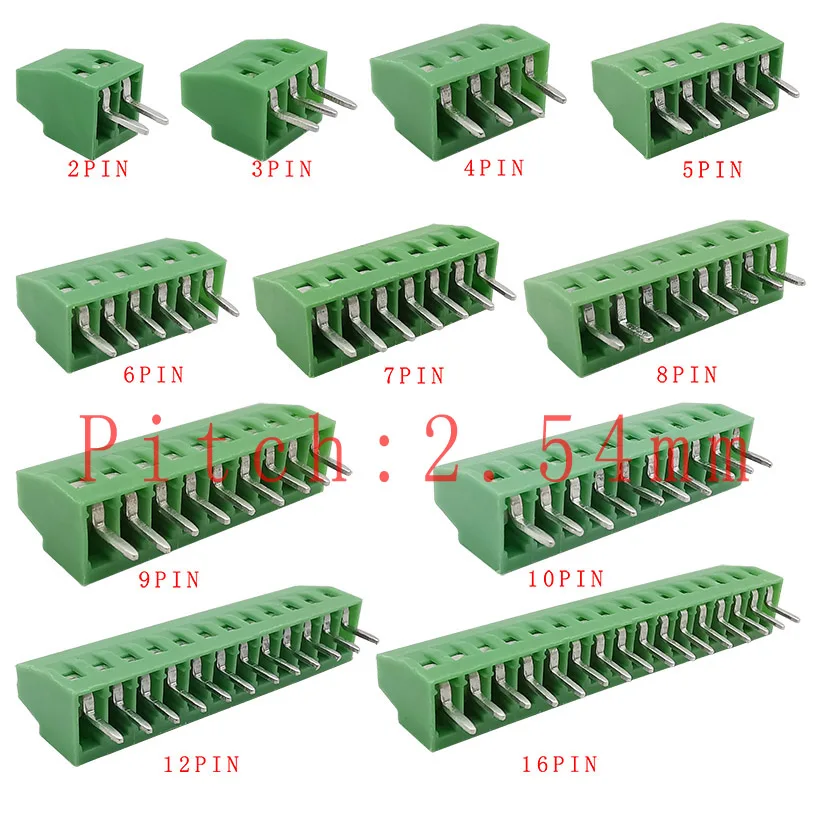
PCB Screw Terminal Block Connectors, with their 2.54mm (0.1") pitch, are a fundamental component for any solar energy hobbyist or electronics enthusiast aiming for robust, modular, and reliable electrical connections. These green terminal blocks, available in configurations from 2-pin to 16-pin, provide a secure interface for wiring low-voltage DC circuits, making them indispensable for prototyping, integrating solar charge controllers, or building custom battery management systems. The design prioritizes ease of use and long-term stability, critical factors in off-grid applications where reliability is paramount.
The Cornerstone of Connection Integrity
These terminal blocks are engineered to facilitate straightforward, secure wire termination. The screw-down mechanism ensures a tight grip on conductors, mitigating the risk of intermittent connections or accidental disconnections that can plague soldered joints in vibration-prone environments. This mechanical stability is crucial for ensuring consistent power flow, especially in solar setups exposed to varying conditions.
Unlike traditional crimp connectors that require specialized tools, these screw terminals only need a small screwdriver. This simplicity speeds up assembly. It also allows for quick modifications or repairs in the field, a significant advantage for experimental solar projects.
Current Handling and Wire Compatibility
Rated for 150V and 6A, these connectors are well-suited for a wide array of low-power solar applications. This current capacity comfortably handles the typical outputs of small solar panels, LED lighting circuits, and various DC loads commonly found in off-grid cabins or RV setups. The 6A rating provides ample headroom for many individual circuit branches.
Compatibility with 26-18AWG cable sizes ensures versatility. This range covers most common wiring gauges used for signal lines, sensor connections, and moderate current paths in DIY electronics. Using the correct wire gauge prevents overheating. It also minimizes voltage drop over short distances, maintaining system efficiency.
Modular Design for Scalable Projects
The availability of multiple pin counts (2P, 3P, 4P, 5P, 6P, 7P, 8P, 9P, 10P, 12P, 16P) offers exceptional flexibility. This modularity allows for precise matching of the connector to the specific circuit requirements, reducing wasted space on printed circuit boards. It also simplifies the organization of complex wiring harnesses, a common challenge in multi-component solar energy systems.
Imagine a scenario where a solar charge controller needs to connect to multiple battery banks or load circuits. Using dedicated terminal blocks for each connection point ensures clear labeling and easy troubleshooting. This structured approach prevents wiring spaghetti. It promotes a cleaner, more professional installation.
Compared to soldering individual wires directly to a PCB, these blocks offer a significant advantage in terms of maintenance and expandability. Components can be swapped without desoldering. This saves time and reduces potential board damage.
Durability in Demanding Environments
Constructed from what appears to be a robust green thermoplastic, these connectors offer good insulation properties and mechanical strength. The visible metal contacts are likely a copper alloy, providing excellent conductivity and corrosion resistance. This material choice is essential for long-term reliability, particularly in outdoor or humid conditions often associated with solar installations.
While not explicitly rated for outdoor exposure, the inherent design of screw terminals offers a degree of protection against dust and minor splashes when properly installed within an enclosure. For critical outdoor deployments, additional weatherproofing measures, such as conformal coating or sealed junction boxes, would be prudent. These connectors form a secure electrical pathway.
Unlike cheaper, spring-loaded terminals, the screw-clamp mechanism maintains consistent pressure over time. This resistance to loosening is vital for systems that experience thermal cycling or minor vibrations. A loose connection can lead to arcing and potential fire hazards. The reliability of these terminals is a key safety feature.
Optimizing Solar System Efficiency
For solar energy hobbyists, every millivolt counts. Poor connections introduce resistance, leading to power losses and reduced system efficiency. These screw terminal blocks, with their secure mechanical connection and low contact resistance, help minimize such losses. They ensure that the maximum possible power generated by solar panels reaches the batteries or loads.
Consider a small off-grid system powering critical sensors. A stable, low-resistance connection ensures consistent voltage delivery. This directly impacts the accuracy and operational lifespan of sensitive electronic components. The precision engineering of these connectors contributes to overall system performance.
Many DIY solar projects involve custom circuit boards for monitoring or control. Integrating these terminal blocks directly onto the PCB simplifies the wiring interface. This makes the entire system more serviceable. It also enhances the professional appearance of the final product.
Installation and Maintenance Considerations
Installation is straightforward: strip the wire, insert it into the terminal opening, and tighten the screw. This process is repeatable and does not require specialized soldering skills. The open design of the terminal allows for visual inspection of the wire insertion, ensuring proper contact before tightening.
Regular maintenance involves checking screw tightness, especially after initial installation and periodically thereafter. Thermal expansion and contraction can sometimes cause screws to loosen slightly over extended periods. A quick check with a small screwdriver can prevent future issues. This proactive approach extends the life of the connections.
These connectors are designed for through-hole mounting on PCBs. This provides a strong mechanical anchor to the board. It ensures that the connectors remain firmly in place even when subjected to external forces from connected cables. The robust mounting prevents stress on solder joints.
The Value Proposition for DIY Enthusiasts
At their accessible price point, these terminal blocks represent exceptional value. They offer a professional-grade connection solution without the cost associated with more complex industrial connectors. For hobbyists and small-scale manufacturers, this affordability allows for greater experimentation and larger project scopes.
Investing in reliable connection components upfront saves time and money in the long run. Troubleshooting intermittent faults caused by poor wiring can be incredibly frustrating and time-consuming. These terminals provide peace of mind. They are a small investment for significant reliability gains.
These connectors are a practical choice for anyone building or maintaining DC power systems. They offer a blend of ease of use, reliability, and cost-effectiveness. The modularity supports future expansion.
Imagine the satisfaction of a perfectly wired solar array, delivering consistent power to your off-grid cabin. Visualize a custom battery management system, flawlessly integrating with your energy storage, all connected with dependable, easily maintainable terminal blocks. These connectors empower you to build, expand, and refine your sustainable energy projects with confidence, ensuring every connection contributes to a resilient and efficient power ecosystem.