NJBLZQ Plato 170 Carbon Steel Flush Cutters
Official Store Deal
Expert Analysis Overview
Precision Cutting for Delicate Electronics
The NJBLZQ Plato 170 Carbon Steel Flush Cutters are a specialized hand tool engineered for precision cutting in electronic and light-duty applications. This tool is designed for hobbyists, technicians, and electricians working with smaller gauge wires and components where a clean, flush cut is paramount. Its compact form factor and spring-loaded action prioritize ease of use and maneuverability in confined spaces.
Ergonomics and Handling
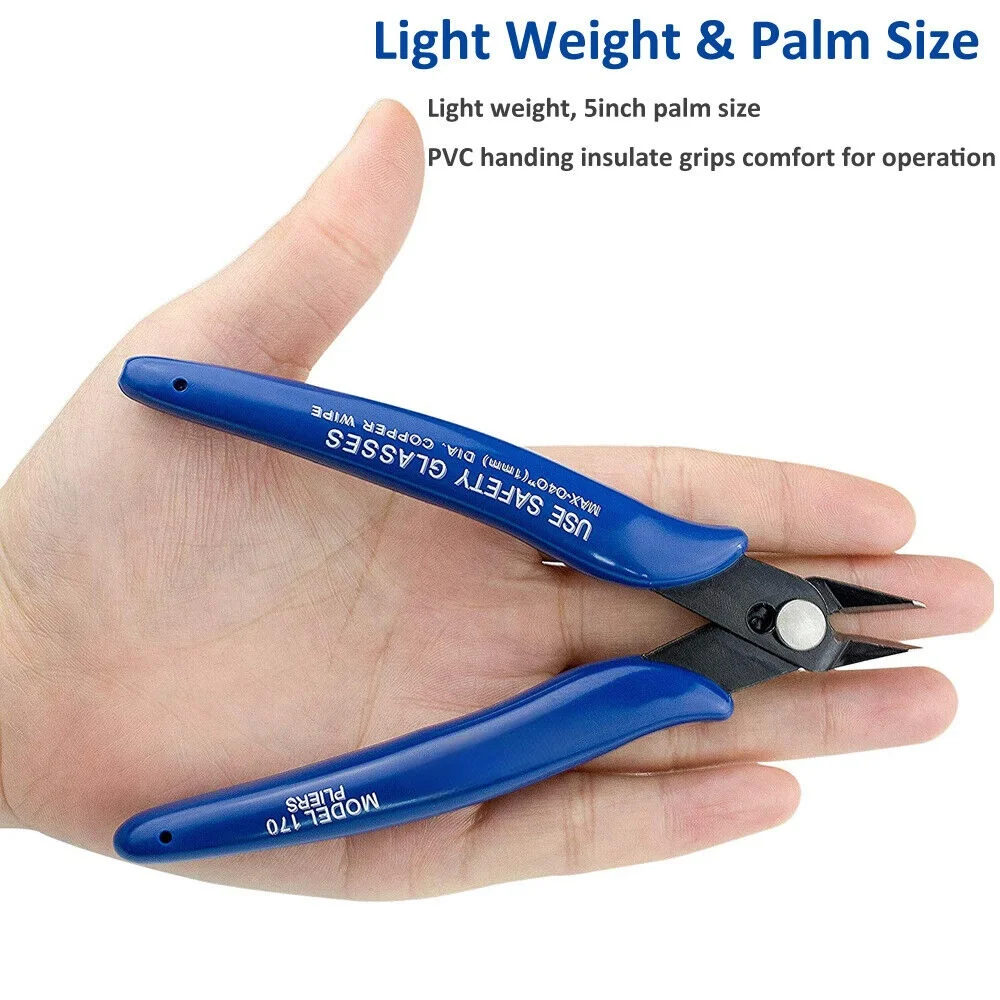
The visual evidence highlights a compact, palm-sized design, measuring approximately 13cm (5.1 inches) in length. This small footprint is ideal for intricate work. The tool fits comfortably in the hand.
The handles feature PVC insulation, which provides a comfortable and secure grip during prolonged use. This material choice is common for hand tools where user comfort and basic grip enhancement are primary considerations. The ergonomic design reduces hand fatigue.
Compared to larger, heavier duty wire cutters, the Plato 170's lightweight construction makes it suitable for repetitive tasks without causing undue strain. Its small size allows access to tight areas that bulkier tools cannot reach, a significant advantage in electronics assembly or repair.
Cutting Performance and Material Capability
The cutting jaws are constructed from carbon steel, a material known for its hardness and ability to hold a sharp edge. This material choice suggests a reasonable level of durability for its intended applications. The edges are sharp.
Images indicate specific cutting capacities: up to 2mm for copper wire, 1.5mm for iron wire, and 4mm for general electronic wire. These specifications are critical for determining the tool's suitability for various tasks. The flush cut design minimizes protrusion after trimming.
Unlike general-purpose pliers that often leave a small tag or burr, these flush cutters are engineered to provide a clean, flat cut against the surface. This precision is invaluable when trimming component leads on circuit boards or cutting zip ties flush to prevent sharp edges. Standard diagonal cutters may not offer this level of finish.
Operational Mechanics
An auto-opening spring mechanism is clearly visible, facilitating quick and efficient repetitive cutting. This feature ensures the jaws return to an open position automatically after each cut. This speeds up work considerably.
The spring action reduces the effort required to operate the tool, making it less fatiguing during extended periods of use. This contrasts with non-spring-loaded cutters, which require manual opening after each squeeze, slowing down workflow.
This design choice enhances productivity, particularly in assembly lines or repair environments where numerous small cuts are performed. The consistent spring tension provides reliable operation. It is a simple, effective mechanism.
Safety Considerations and Limitations
The tool explicitly features a "USE SAFETY GLASSES" warning printed on the handle. This is a crucial safety reminder, indicating that small pieces of wire or plastic can become projectiles during cutting. Eye protection is non-negotiable.
While the handles are PVC insulated for grip, there is no indication of a voltage rating (e.g., 1000V VDE certification). This means the tool is not designed or rated for use on live electrical circuits. Using it on energized wires poses a significant electrical hazard. This is a critical distinction for electricians.
Users must always de-energize circuits before performing any cutting operations with this tool. Its primary utility lies in low-voltage electronics and non-electrical material trimming. This limitation differentiates it from specialized insulated electrical pliers.
Versatility in Application
The visual documentation demonstrates the tool's ability to cut various materials beyond just electrical wire. It is shown trimming plastic ties, excess plastic, and even fine materials like A4 paper or hair. This broadens its utility.
Its fine cutting edge and precise action make it suitable for model making, jewelry repair, and other crafts requiring delicate material removal. The tool's versatility extends its value beyond purely electrical tasks. It handles small, non-ferrous materials well.
However, its primary strength remains in electronic work, where its ability to make clean cuts on component leads and small wires is most beneficial. Attempting to cut materials exceeding its stated capacity, especially harder metals, will likely damage the cutting edges. Adherence to specified wire diameters is essential for tool longevity.
Build Quality and Longevity
The carbon steel construction provides a balance of hardness and cost-effectiveness. While not as corrosion-resistant as stainless steel, carbon steel offers excellent edge retention for cutting tasks. Proper maintenance is key.
The pivot point appears to be a simple riveted design, which is typical for this class of tool. This construction offers reliable operation for light-duty tasks. The pivot is smooth.
For optimal longevity, the tool should be kept clean and dry, especially given the carbon steel composition. Periodic lubrication of the pivot point can ensure smooth operation over time. This care regimen will prevent premature wear and maintain cutting precision.
Value Proposition
Considering its specialized function and accessible price point, the NJBLZQ Plato 170 offers significant value for those requiring precise flush cuts. It fills a specific niche in a toolkit. This tool is an upgrade.
Unlike generic diagonal cutters that may crush or leave uneven edges, this tool's design ensures a professional finish on delicate components. Its affordability makes it an excellent addition for hobbyists or as a secondary, specialized cutter for professionals. The cost-per-use is exceptionally low.
This tool allows users to achieve clean, precise results on small wires and plastic components, enhancing the quality and efficiency of their work. Imagine effortlessly trimming leads on a newly soldered circuit board, leaving no sharp edges to snag or short. This specialized capability streamlines intricate tasks, ensuring a professional finish every time.