Nasedal Universal Diagonal Pliers
Official Store Deal
Expert Analysis Overview
The Nasedal NT-MP01: A Closer Look at the Mechanic's New Snips
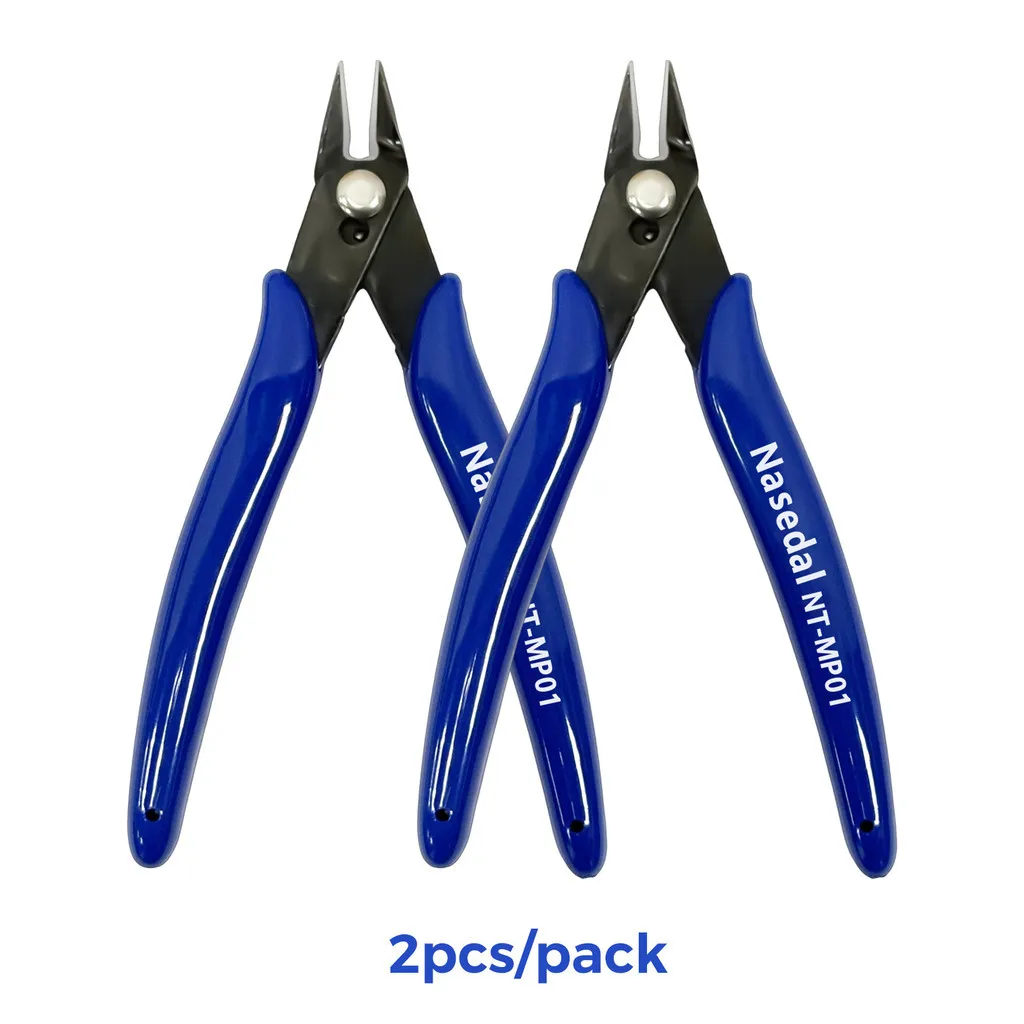
The Nasedal Universal Diagonal Pliers, model NT-MP01, are a compact, capable cutting tool designed for precision work across various light-duty materials. These snips are aimed squarely at hobbyists, electricians, and technicians who demand a clean cut without excessive hand strain. They are not fancy. They are functional.
The Business End: Steel and Edge Retention
The core of any cutting tool lies in its jaws. These Nasedal snips feature cutting edges crafted from 65# high carbon steel. This isn't some exotic alloy, but it's a workhorse, a step above the soft, generic steel often found in bargain bin tools. The dark, almost matte finish on the steel suggests a proper heat treatment, not just a cheap coating. There's no flashy chrome here, just honest steel.
High carbon steel, specifically the 65# designation, implies a significant carbon content, typically around 0.65%. This carbon is what allows the steel to be hardened to a greater degree than milder steels, forming a robust martensitic structure when properly quenched. For the user, this translates directly into a cutting edge that holds its sharpness longer. It resists rolling or deforming when tackling tougher materials like copper wire or even light iron. Clean cuts are possible.
Compared to the flimsy, stamped metal cutters that quickly develop nicks and burrs after a few uses, these high carbon steel jaws offer a distinct advantage. They are built to maintain a cleaner, more consistent cutting profile, reducing the need for constant sharpening or replacement. This means fewer frayed wire ends, less struggle when trimming plastic components, and a more professional finish to your work. It's a fundamental upgrade from the disposable tools.
Hardened for the Grind: Induction Treatment
Beyond the base material, the images highlight "Induction-Hardened" jaws. This isn't just marketing fluff; it's a critical manufacturing process that significantly enhances tool performance. Induction hardening selectively hardens specific areas of the steel, typically the cutting edges, while leaving the core slightly tougher and more ductile. This process uses electromagnetic induction to heat the steel rapidly and precisely.
The rapid heating and subsequent quenching create a very hard surface layer, often reaching Rockwell hardness values significantly higher than the untreated core. This surface hardness is what provides superior wear resistance. It means the cutting edges can withstand repeated use against abrasive materials like copper wire or hard plastics without losing their bite, preventing premature dulling. This is a significant factor in tool longevity. It makes a difference.
Many cheaper tools skip this step, relying solely on the base steel's properties, which leads to rapid degradation of the cutting edge. An induction-hardened edge, however, ensures that the critical cutting surfaces are optimized for performance and durability. It's a detail that separates a disposable tool from one that earns its keep in the toolbox, providing consistent performance over time. This hardening process ensures the tool can handle the daily abuse without complaint.
The Grip: Comfort and Control
A tool is only as good as the hand holding it. The Nasedal NT-MP01 features PVC material handles in a distinct blue. This isn't just for aesthetics; PVC offers a decent grip and some level of comfort, especially compared to bare metal or hard, slick plastic. The ergonomic shape appears designed to fit the hand, reducing slippage during use, even with a bit of grease on your palms.
The soft-touch nature of PVC handles helps to absorb some of the impact and vibration during cutting tasks, which can be a real hand-saver during extended periods of work. This material also provides a reasonable degree of chemical resistance to common shop fluids like oil or brake cleaner, making them easy to wipe clean after a messy job. Your hands will thank you.
Many basic snips come with hard, uncomfortable plastic grips that offer little in the way of ergonomics or shock absorption, often leading to blisters or hand cramps. The PVC material on these Nasedal pliers is a clear improvement, providing better tactile feedback and reducing the likelihood of hand fatigue. It's a small detail that makes a big difference in the long run, contributing to safer and more efficient work.
Spring into Action: Automatic Reset
A key feature visible is the "Return Spring" for "Automatic Reset." This simple mechanism is often overlooked but is crucial for efficiency and reducing user fatigue. The spring automatically opens the jaws after each cut, ready for the next operation. This eliminates the need to manually pry the jaws open, saving precious milliseconds and effort on every snip.
For repetitive tasks, such as trimming many wires in an electrical panel, removing numerous plastic gates from model kits, or cutting countless zip ties, this return spring is invaluable. It significantly speeds up the workflow and reduces strain on the hand and forearm muscles. The continuous, effortless opening action means less effort is expended by the user, allowing for longer work periods without discomfort. Work becomes less of a chore.
Tools without a return spring require the user to actively open the jaws after every cut, which slows down the process, adds unnecessary strain, and can lead to muscle fatigue over time. The integrated return spring on these snips positions them as a more user-friendly and efficient option compared to those basic, spring-less designs. It's a productivity booster that pays dividends in comfort and speed.
The Cut: Precision and Versatility
These diagonal pliers are marketed for a range of cutting tasks. They are shown handling 1.5mm iron wire, 2mm copper wire, 4mm electronic wire, plastic trimming, and plastic ties. This versatility makes them a useful addition to any workbench or field kit. The "Ultra Sharp" claim, supported by the high carbon steel and induction hardening, suggests they can deliver on these promises with precision.
The ability to cut various wire gauges cleanly is essential for electrical work. A clean, flush cut prevents stray strands that can cause short circuits and ensures proper termination into connectors. For hobbyists, the precision for trimming plastic parts, like model kit gates or flash, means less sanding, filing, and a better overall finish. This tool handles delicate tasks without fuss.
Unlike heavy-duty bolt cutters or general-purpose pliers, these diagonal snips are designed for precision. They excel at tasks where a clean, flush cut is paramount, rather than brute force. This specialized capability makes them far more effective for fine work than trying to make do with a larger, less agile tool. For carefully cutting away obstructions around a rusted bolt, or snipping a seized cotter pin, the precision here is key. It's about getting the job done right.
Compact Power: Size and Maneuverability
The dimensions provided indicate a tool that is 13cm (5.12in) long and 7.6cm (3in) wide at the handles, weighing in at a mere 52g. This "Protable & Palm Size" design is a deliberate choice for specific applications. A smaller tool often means better access in confined spaces, a common challenge in automotive or electronics repair.
For intricate electronics work, model building, or even light automotive tasks where space is at a premium, a compact tool is indispensable. It allows for precise maneuvering without bumping into surrounding components or wires. The light weight also contributes to reduced hand fatigue during prolonged use, making it easy to handle for extended periods. This tool fits where others won't.
Larger, heavier cutters can be cumbersome and impractical for detailed work, often obscuring the view of the actual cutting point. These Nasedal snips offer a significant advantage in terms of agility and control. Their small footprint allows the user to get into tight spots and make accurate cuts with ease, a capability often lacking in bulkier alternatives. It's a tool for finesse, not brute strength.
The Mechanic's Verdict: Value in the Vise
From an old school mechanic's perspective, a tool needs to be reliable, capable, and offer good value. These Nasedal diagonal pliers, with their high carbon, induction-hardened steel jaws and comfortable PVC grips, tick many of those boxes for light-duty applications. The construction suggests they won't fold under the first bit of pressure, unlike some of the cheaper offerings on the market.
The ability to make clean cuts on various materials, from fine electronic wires to plastic components, positions these as a versatile shop staple. They are not designed for heavy-duty demolition, but for precision work, they appear well-suited. The return spring is a thoughtful touch that enhances usability, making repetitive tasks far less tedious. They are easy to clean, a quick wipe down is all it takes.
Considering the price point and the fact that they come in a 2-pack, the value proposition is strong. Having a spare or one for a different workstation is always a good idea, ensuring you're never without a sharp cutter when you need it most. They offer a solid upgrade over the generic, unhardened snips that often come bundled in cheap toolkits, providing a better return on investment through durability and performance.
Imagine the satisfaction of making clean, precise cuts on every wire, every plastic tie, and every model component. Picture your hands feeling less fatigued after a long session of repetitive snipping, thanks to the comfortable grips and automatic return spring. Envision the ease with which you can navigate tight spaces, knowing your compact, sharp snips will get the job done without damaging surrounding parts. This isn't just another pair of cutters; it's a reliable partner that streamlines your work and reduces frustration, allowing you to focus on the task at hand with confidence and efficiency.