Multi-Grit Sponge Sanding Blocks for Wet & Dry Polishing (20-Pack)
Official Store Deal
Expert Analysis Overview
Precision Abrasive Performance for Flawless Finishes
The Multi-Grit Sponge Sanding Blocks are a specialized abrasive solution designed for meticulous surface preparation and refinement, particularly within automotive detailing and fine woodworking. This set provides a comprehensive range of grits, enabling detailers to correct paint defects safely and achieve a high-gloss finish without risking clear coat burn-through. The foam backing ensures even pressure distribution, a critical factor in preventing uneven sanding marks and promoting a consistent surface profile.
Automotive surfaces, especially clear coats, demand a nuanced approach to abrasive work. Traditional sandpaper can be aggressive, leading to deeper scratches or even strike-through if not handled with extreme care. These sponge blocks offer a cushioned interface. This cushioning is paramount for contouring to curved panels and distributing abrasive force. The varied grit selection allows for a progressive refinement process. Starting with a coarser grit to address significant imperfections, then transitioning through finer grits, systematically reduces the scratch pattern. The ultimate goal is a surface ready for compounding and polishing, free from visible sanding marks and prepared to accept a mirror-like shine. This graduated approach minimizes the risk of over-sanding. It's a safer way to achieve perfection.
Compared to rigid sanding discs, these sponge blocks offer superior flexibility. Rigid discs can create hot spots and uneven abrasion, particularly on non-flat surfaces. The inherent give of the sponge material allows the abrasive particles to conform to the surface, reducing the likelihood of isolated deep scratches. This flexibility is a significant advantage for detailers working on intricate body lines or complex curves, where uniform pressure is difficult to maintain with less adaptable tools. The hand-held nature also provides a tactile feedback that machine sanding often lacks, allowing for immediate adjustments in pressure and technique. This direct control is invaluable. It helps prevent costly mistakes.
Grit Spectrum and Application
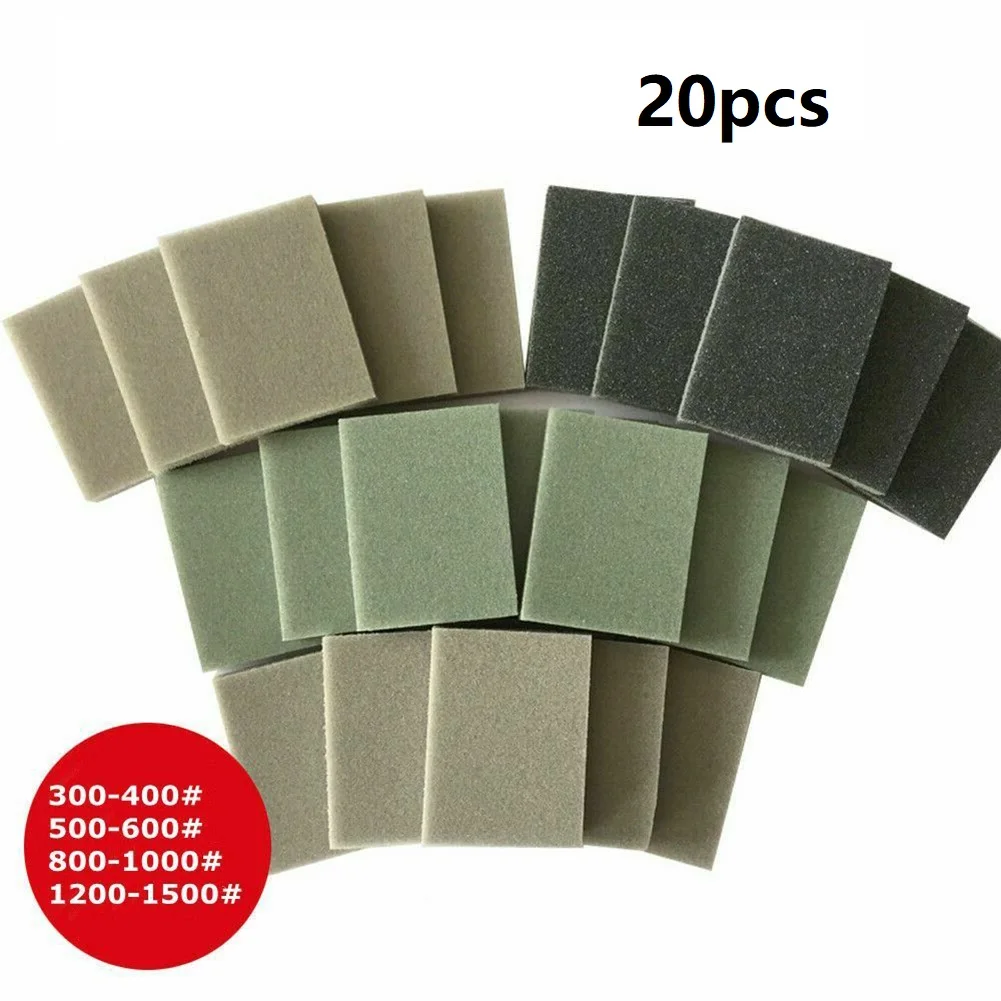
The kit includes a range of grits: 300-400#, 500-600#, 800-1000#, and 1200-1500#. This progressive array is fundamental for effective paint correction and surface refinement. Each grit serves a distinct purpose in the detailing workflow.
The 300-400# grit blocks are suitable for addressing more pronounced surface defects. These might include deeper scratches, heavy oxidation, or significant orange peel texture that requires more aggressive material removal. This initial stage is crucial for establishing a flat and uniform surface. It sets the foundation for subsequent refinement. Without proper initial leveling, finer grits will only mask, not remove, deeper imperfections. This coarse grit works quickly.
Transitioning to the 500-600# range, the focus shifts to refining the scratch pattern left by the previous, coarser grit. This step is about creating a more uniform and shallower scratch profile. It prepares the surface for further polishing. This intermediate grit is effective for removing swirl marks. It also helps to smooth out minor imperfections. This is a critical bridge step. It ensures a manageable surface for the next stage.
The 800-1000# grit blocks are designed for further diminishing the scratch pattern, making it nearly invisible to the naked eye. At this stage, the surface begins to take on a smoother, more uniform appearance. This is often the final sanding step before dedicated compounding. It ensures minimal effort for subsequent polishing stages. The surface feels noticeably smoother. This grit refines the finish.
Finally, the 1200-1500# grit blocks are for ultra-fine finishing. These blocks are used to achieve a highly refined surface, ready for light polishing compounds or even direct application of glazes and waxes. This fine grit range is instrumental in achieving a high-gloss, show-car finish. It eliminates micro-marring. The surface becomes exceptionally smooth. This prepares the surface for ultimate shine.
Construction and Durability
These sanding blocks feature a sponge backing, which is a key differentiator from traditional sandpaper. The foam provides a flexible, conformable base for the abrasive material. This design allows the blocks to flex and adapt to the contours of a surface, reducing the risk of flat spots or uneven sanding. The sponge material also aids in absorbing water, making these blocks ideal for wet sanding applications.
The abrasive layer appears to be securely bonded to the foam. This ensures durability throughout the sanding process. A strong bond prevents premature separation of the abrasive from the backing. It extends the lifespan of each block. The uniform distribution of abrasive particles across the surface is also important. This prevents isolated areas of higher aggression. Consistent abrasion is vital. It avoids creating new defects.
The overall construction suggests a product designed for repeated use. While individual blocks will wear down over time, the pack of 20 ensures a sufficient supply for multiple projects. The compact size of each block, approximately 30x40mm, makes them easy to handle. This size is perfect for precision work. It fits comfortably in the hand. This enhances user control.
Wet and Dry Application Versatility
One of the significant advantages of these sponge sanding blocks is their suitability for both wet and dry sanding. This versatility expands their utility across various detailing and finishing tasks.
Dry sanding is often used for initial material removal and leveling. It allows for quick visual inspection of progress. The dust generated can be easily seen. This helps identify high spots. However, dry sanding can generate more heat and clog abrasives faster. The open-cell structure of the sponge might help with dust evacuation, but for prolonged dry use, frequent cleaning of the block is recommended. Dry sanding is effective for initial stages. It provides immediate feedback.
Wet sanding, conversely, is preferred for finer finishing stages. Water acts as a lubricant, reducing friction and heat build-up. It also flushes away sanding debris, preventing clogging and minimizing the risk of deeper scratches from trapped particles. The sponge backing's ability to absorb and hold water is crucial here. This ensures a consistent flow of lubricant across the working surface. Wet sanding yields a smoother finish. It significantly reduces dust. This method is safer for clear coats.
For automotive paint correction, wet sanding with these blocks is often the method of choice. It minimizes the risk of burning through the clear coat and helps achieve a more uniform, refined finish. The water also helps to reveal the true condition of the surface as work progresses, making it easier to identify areas that require further attention. This dual functionality makes the set a valuable addition to any detailer's arsenal. It offers flexibility in technique. It adapts to different project needs.
Ergonomics and User Experience
The compact size and sponge construction contribute significantly to the ergonomic profile of these sanding blocks. Each block measures approximately 30x40mm with a thickness of 5mm, making them highly maneuverable. This small footprint allows users to access tight areas and intricate contours that larger sanding pads or machines cannot reach. Precision is enhanced.
The soft, flexible nature of the sponge provides a comfortable grip. This reduces hand fatigue during extended detailing sessions. The tactile feedback from the sponge allows the user to feel the surface imperfections. This direct sensation helps in applying appropriate pressure. It prevents over-sanding. The ability to precisely control pressure is critical when working on delicate surfaces like automotive clear coats, where too much force can cause irreversible damage. The blocks fit well in the hand. They offer excellent control.
Furthermore, the small size makes them ideal for spot repairs or localized defect removal. Instead of having to sand an entire panel, a detailer can target a specific scratch or imperfection with greater accuracy. This minimizes the amount of material removed from surrounding areas. It preserves the integrity of the original finish. This focused approach saves time and effort. It also reduces the need for extensive re-polishing of larger sections. These blocks are perfect for small jobs. They offer precise targeting.
Value Proposition and Investment
Considering the price point and the quantity provided, these sponge sanding blocks represent a strong value proposition for both professional detailers and DIY enthusiasts. The cost-per-block is minimal, making them an economical choice for regular use. This affordability allows users to stock up without a significant financial outlay. It ensures a ready supply for various projects.
Unlike single-use sandpaper sheets that can quickly wear out or tear, the sponge backing of these blocks provides a degree of resilience. While they are not indestructible, their construction is designed to withstand repeated applications. The ability to rinse and reuse them, especially during wet sanding, further extends their practical lifespan. This reusability adds to their overall value. It reduces waste. It saves money over time.
For those invested in achieving professional-grade finishes, these blocks offer a controlled and safe method for surface preparation. The risk of damaging expensive clear coats with overly aggressive abrasives is mitigated. This protection of the primary investment (the vehicle's paintwork) far outweighs the modest cost of the sanding blocks themselves. They are an essential tool for quality work. They protect your finish. This is a smart investment.
Imagine the satisfaction of seeing a vehicle's paintwork transformed, free from swirls and scratches, reflecting light with a deep, liquid-like gloss. These sponge sanding blocks provide the foundational steps to achieve such a result, empowering you to meticulously refine surfaces with confidence and precision. The visual impact of a perfectly prepared and polished surface speaks volumes, showcasing an attention to detail that elevates any project from good to exceptional. The smooth, mirror-like finish will be a source of pride, a direct result of the controlled and careful abrasive work performed with these versatile tools. The enhanced depth and clarity of the paint will captivate. It will turn heads.
Refined Surface Preparation for Superior Finishes
The Multi-Grit Sponge Sanding Blocks are a specialized abrasive solution designed for meticulous surface preparation and refinement, particularly within automotive detailing and fine woodworking. This set provides a comprehensive range of grits, enabling detailers to correct paint defects safely and achieve a high-gloss finish without risking clear coat burn-through. The foam backing ensures even pressure distribution, a critical factor in preventing uneven sanding marks and promoting a consistent surface profile.
Automotive surfaces, especially clear coats, demand a nuanced approach to abrasive work. Traditional sandpaper can be aggressive, leading to deeper scratches or even strike-through if not handled with extreme care. These sponge blocks offer a cushioned interface. This cushioning is paramount for contouring to curved panels and distributing abrasive force. The varied grit selection allows for a progressive refinement process. Starting with a coarser grit to address significant imperfections, then transitioning through finer grits, systematically reduces the scratch pattern. The ultimate goal is a surface ready for compounding and polishing, free from visible sanding marks and prepared to accept a mirror-like shine. This graduated approach minimizes the risk of over-sanding. It's a safer way to achieve perfection.
Compared to rigid sanding discs, these sponge blocks offer superior flexibility. Rigid discs can create hot spots and uneven abrasion, particularly on non-flat surfaces. The inherent give of the sponge material allows the abrasive particles to conform to the surface, reducing the likelihood of isolated deep scratches. This flexibility is a significant advantage for detailers working on intricate body lines or complex curves, where uniform pressure is difficult to maintain with less adaptable tools. The hand-held nature also provides a tactile feedback that machine sanding often lacks, allowing for immediate adjustments in pressure and technique. This direct control is invaluable. It helps prevent costly mistakes.
Grit Spectrum and Application
The kit includes a range of grits: 300-400#, 500-600#, 800-1000#, and 1200-1500#. This progressive array is fundamental for effective paint correction and surface refinement. Each grit serves a distinct purpose in the detailing workflow.
The 300-400# grit blocks are suitable for addressing more pronounced surface defects. These might include deeper scratches, heavy oxidation, or significant orange peel texture that requires more aggressive material removal. This initial stage is crucial for establishing a flat and uniform surface. It sets the foundation for subsequent refinement. Without proper initial leveling, finer grits will only mask, not remove, deeper imperfections. This coarse grit works quickly.
Transitioning to the 500-600# range, the focus shifts to refining the scratch pattern left by the previous, coarser grit. This step is about creating a more uniform and shallower scratch profile. It prepares the surface for further polishing. This intermediate grit is effective for removing swirl marks. It also helps to smooth out minor imperfections. This is a critical bridge step. It ensures a manageable surface for the next stage.
The 800-1000# grit blocks are designed for further diminishing the scratch pattern, making it nearly invisible to the naked eye. At this stage, the surface begins to take on a smoother, more uniform appearance. This is often the final sanding step before dedicated compounding. It ensures minimal effort for subsequent polishing stages. The surface feels noticeably smoother. This grit refines the finish.
Finally, the 1200-1500# grit blocks are for ultra-fine finishing. These blocks are used to achieve a highly refined surface, ready for light polishing compounds or even direct application of glazes and waxes. This fine grit range is instrumental in achieving a high-gloss, show-car finish. It eliminates micro-marring. The surface becomes exceptionally smooth. This prepares the surface for ultimate shine.
Construction and Durability
These sanding blocks feature a sponge backing, which is a key differentiator from traditional sandpaper. The foam provides a flexible, conformable base for the abrasive material. This design allows the blocks to flex and adapt to the contours of a surface, reducing the risk of flat spots or uneven sanding. The sponge material also aids in absorbing water, making these blocks ideal for wet sanding applications.
The abrasive layer appears to be securely bonded to the foam. This ensures durability throughout the sanding process. A strong bond prevents premature separation of the abrasive from the backing. It extends the lifespan of each block. The uniform distribution of abrasive particles across the surface is also important. This prevents isolated areas of higher aggression. Consistent abrasion is vital. It avoids creating new defects.
The overall construction suggests a product designed for repeated use. While individual blocks will wear down over time, the pack of 20 ensures a sufficient supply for multiple projects. The compact size of each block, approximately 30x40mm, makes them easy to handle. This size is perfect for precision work. It fits comfortably in the hand. This enhances user control.
Wet and Dry Application Versatility
One of the significant advantages of these sponge sanding blocks is their suitability for both wet and dry sanding. This versatility expands their utility across various detailing and finishing tasks.
Dry sanding is often used for initial material removal and leveling. It allows for quick visual inspection of progress. The dust generated can be easily seen. This helps identify high spots. However, dry sanding can generate more heat and clog abrasives faster. The open-cell structure of the sponge might help with dust evacuation, but for prolonged dry use, frequent cleaning of the block is recommended. Dry sanding is effective for initial stages. It provides immediate feedback.
Wet sanding, conversely, is preferred for finer finishing stages. Water acts as a lubricant, reducing friction and heat build-up. It also flushes away sanding debris, preventing clogging and minimizing the risk of deeper scratches from trapped particles. The sponge backing's ability to absorb and hold water is crucial here. This ensures a consistent flow of lubricant across the working surface. Wet sanding yields a smoother finish. It significantly reduces dust. This method is safer for clear coats.
For automotive paint correction, wet sanding with these blocks is often the method of choice. It minimizes the risk of burning through the clear coat and helps achieve a more uniform, refined finish. The water also helps to reveal the true condition of the surface as work progresses, making it easier to identify areas that require further attention. This dual functionality makes the set a valuable addition to any detailer's arsenal. It offers flexibility in technique. It adapts to different project needs.
Ergonomics and User Experience
The compact size and sponge construction contribute significantly to the ergonomic profile of these sanding blocks. Each block measures approximately 30x40mm with a thickness of 5mm, making them highly maneuverable. This small footprint allows users to access tight areas and intricate contours that larger sanding pads or machines cannot reach. Precision is enhanced.
The soft, flexible nature of the sponge provides a comfortable grip. This reduces hand fatigue during extended detailing sessions. The tactile feedback from the sponge allows the user to feel the surface imperfections. This direct sensation helps in applying appropriate pressure. It prevents over-sanding. The ability to precisely control pressure is critical when working on delicate surfaces like automotive clear coats, where too much force can cause irreversible damage. The blocks fit well in the hand. They offer excellent control.
Furthermore, the small size makes them ideal for spot repairs or localized defect removal. Instead of having to sand an entire panel, a detailer can target a specific scratch or imperfection with greater accuracy. This minimizes the amount of material removed from surrounding areas. It preserves the integrity of the original finish. This focused approach saves time and effort. It also reduces the need for extensive re-polishing of larger sections. These blocks are perfect for small jobs. They offer precise targeting.
Value Proposition and Investment
Considering the price point and the quantity provided, these sponge sanding blocks represent a strong value proposition for both professional detailers and DIY enthusiasts. The cost-per-block is minimal, making them an economical choice for regular use. This affordability allows users to stock up without a significant financial outlay. It ensures a ready supply for various projects.
Unlike single-use sandpaper sheets that can quickly wear out or tear, the sponge backing of these blocks provides a degree of resilience. While they are not indestructible, their construction is designed to withstand repeated applications. The ability to rinse and reuse them, especially during wet sanding, further extends their practical lifespan. This reusability adds to their overall value. It reduces waste. It saves money over time.
For those invested in achieving professional-grade finishes, these blocks offer a controlled and safe method for surface preparation. The risk of damaging expensive clear coats with overly aggressive abrasives is mitigated. This protection of the primary investment (the vehicle's paintwork) far outweighs the modest cost of the sanding blocks themselves. They are an essential tool for quality work. They protect your finish. This is a smart investment.
Imagine the satisfaction of seeing a vehicle's paintwork transformed, free from swirls and scratches, reflecting light with a deep, liquid-like gloss. These sponge sanding blocks provide the foundational steps to achieve such a result, empowering you to meticulously refine surfaces with confidence and precision. The visual impact of a perfectly prepared and polished surface speaks volumes, showcasing an attention to detail that elevates any project from good to exceptional. The smooth, mirror-like finish will be a source of pride, a direct result of the controlled and careful abrasive work performed with these versatile tools. The enhanced depth and clarity of the paint will captivate. It will turn heads.