MHF4/uFL RF Coaxial Extension Cable for WiFi Antenna Applications
Official Store Deal
Expert Analysis Overview
The MHF4/uFL RF Coaxial Extension Cable is a critical micro-coaxial interconnect designed for precision signal routing in compact electronic assemblies. This component serves as an indispensable solution for electronics repair technicians and DIY enthusiasts who require reliable, low-loss connections for internal WiFi, Bluetooth, and other high-frequency modules. Unlike generic wiring, these specialized cables adhere to stringent RF standards, ensuring optimal performance where signal integrity is paramount.
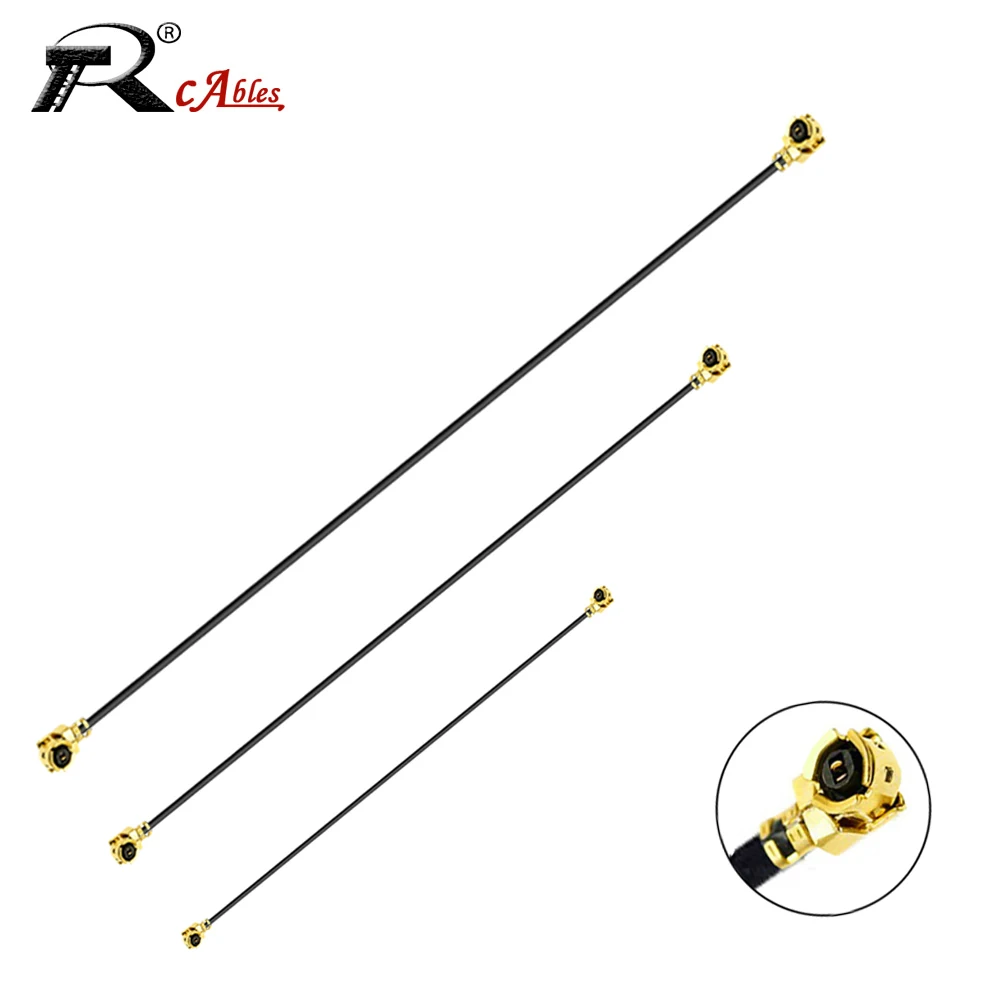
These micro-coaxial cables are engineered for exacting RF applications. The visual evidence confirms the use of gold-plated MHF4/uFL connectors, a standard choice for their excellent conductivity and resistance to oxidation. Gold plating ensures a stable, low-resistance contact over time, which is crucial for maintaining signal quality in high-frequency transmissions. This material choice directly impacts the longevity of the connection.
The primary function of such a cable is to transmit radio frequency signals with minimal loss. In a scenario where a device's internal antenna cable is damaged, replacing it with a component like this is often more economical than replacing an entire module. The precision engineering of these connectors, as detailed in the technical drawings, highlights the tight tolerances required for reliable RF coupling. Every millimeter matters.
Compared to makeshift repairs or lower-grade cables, these MHF4/uFL assemblies offer a significant upgrade in signal integrity. Generic cables often lack the precise impedance matching or shielding necessary for RF signals, leading to degraded performance, reduced range, or intermittent connectivity. These specified cables, however, provide a consistent 50 Ohm impedance, which is the industry standard for most WiFi and Bluetooth applications. This consistency prevents signal reflections.
The product offers two distinct cable diameters: RG1.13mm and RG0.81mm. This choice is not arbitrary; it addresses different mechanical and electrical requirements. The RG1.13 cable, being slightly thicker, generally provides better shielding and lower attenuation over longer runs, making it suitable for applications where space is less restrictive but signal quality is critical. It's a robust option.
Conversely, the RG0.81mm cable is designed for extreme space constraints. Its thinner profile allows for intricate routing within compact enclosures, such as those found in modern smartphones, drones, or miniaturized IoT devices. While its attenuation might be slightly higher than RG1.13 over the same length, its flexibility and minimal footprint are invaluable in tight designs. This flexibility aids installation.
Both cable types are coaxial, meaning they consist of a central conductor, an insulating dielectric, a metallic shield, and an outer jacket. This construction is fundamental to RF signal transmission, as it confines the electromagnetic field within the cable, minimizing interference and signal leakage. The visible black jacket suggests a durable, yet flexible, polymer material. Such construction is standard.
The connectors themselves, particularly the MHF4/uFL female type, are designed for repeated mating cycles, though their small size necessitates careful handling. The gold-plated brass construction provides mechanical strength and corrosion resistance. Technicians must exercise precision during installation to avoid bending the delicate center pin or damaging the outer shell. A gentle touch is vital.
Installation involves aligning the female connector on the cable with the male receptacle on the PCB and applying even pressure until a click is heard. This audible and tactile feedback confirms a secure connection. Improper alignment or excessive force can lead to permanent damage to both the cable and the host device's PCB connector. Patience is a virtue here.
Unlike larger, more forgiving RF connectors, the micro-coaxial nature of MHF4/uFL demands specialized tools or extreme dexterity. The visible crimping on the connectors indicates a factory-assembled product, which is preferable to field-assembly for ensuring consistent quality and signal integrity. This factory crimp is a quality indicator.
These cables are highly versatile, finding utility in a broad spectrum of electronic devices. From enhancing the WiFi reception in a laptop by replacing a worn internal antenna cable to integrating custom RF modules into embedded systems, their application scope is extensive. They are essential for customization.
For electronics repair, these cables offer a targeted solution to common RF connectivity issues. A damaged antenna cable can render a device's wireless functionality useless, leading to costly board replacements. By providing a direct replacement for the faulty cable, technicians can restore full functionality at a fraction of the cost. This saves significant expense.
The availability of both female-to-female and female-to-male configurations, as shown in the product images, further enhances their utility. This allows for direct replacement or extension depending on the specific interface requirements of the device being serviced. This adaptability is a key benefit.
At a price point of approximately 0.24 USD, these MHF4/uFL cables represent an exceptional value. The cost of replacing an entire WiFi module or motherboard due to a damaged antenna cable can range from tens to hundreds of dollars. Investing in a precise, inexpensive replacement cable can prevent such exorbitant repair costs. This is a smart investment.
The long-term value extends beyond immediate cost savings. By utilizing a high-quality, impedance-matched cable, the repaired device maintains its original wireless performance, preventing future signal degradation issues that could lead to user dissatisfaction or further repair needs. This ensures sustained performance.
Unlike opting for generic, unbranded cables that might offer a lower initial price but compromise on material quality or manufacturing precision, these cables from a specialized "R Coaxial Cable Store" imply a focus on RF component standards. The small investment in a quality component protects a larger investment in the device itself. This protects your device.
The gold-plated connectors are a significant factor in the long-term reliability of these cables. Gold is highly resistant to corrosion, which is a common cause of signal degradation in less robust connections, especially in environments with varying humidity or temperature. This resistance ensures signal stability over years of operation.
The physical integrity of the cable itself, particularly the shielding, is crucial for maintaining performance over time. While the cables are flexible, repeated sharp bends or excessive strain can eventually compromise the internal structure, leading to signal loss or intermittent connectivity. Proper cable management during installation is therefore essential. Avoid sharp angles.
Ultimately, the longevity of the connection relies on both the quality of the component and the care taken during installation. When properly installed and not subjected to undue physical stress, these MHF4/uFL RF coaxial extension cables are designed to provide stable and reliable wireless connectivity for the lifespan of the host device. They are built for endurance.
Imagine the satisfaction of restoring full wireless functionality to a high-value electronic device with a precise, cost-effective component. Picture seamless WiFi connectivity, extended Bluetooth range, and the confidence that comes from a meticulously executed repair. These cables empower technicians to deliver reliable solutions, ensuring devices perform as intended, free from the frustrations of intermittent signals or dropped connections. The small investment in a quality interconnect translates directly into enhanced device capability and user experience.
Precision Interconnection and Signal Integrity
These micro-coaxial cables are engineered for exacting RF applications. The visual evidence confirms the use of gold-plated MHF4/uFL connectors, a standard choice for their excellent conductivity and resistance to oxidation. Gold plating ensures a stable, low-resistance contact over time, which is crucial for maintaining signal quality in high-frequency transmissions. This material choice directly impacts the longevity of the connection.
The primary function of such a cable is to transmit radio frequency signals with minimal loss. In a scenario where a device's internal antenna cable is damaged, replacing it with a component like this is often more economical than replacing an entire module. The precision engineering of these connectors, as detailed in the technical drawings, highlights the tight tolerances required for reliable RF coupling. Every millimeter matters.
Compared to makeshift repairs or lower-grade cables, these MHF4/uFL assemblies offer a significant upgrade in signal integrity. Generic cables often lack the precise impedance matching or shielding necessary for RF signals, leading to degraded performance, reduced range, or intermittent connectivity. These specified cables, however, provide a consistent 50 Ohm impedance, which is the industry standard for most WiFi and Bluetooth applications. This consistency prevents signal reflections.
Cable Construction and Material Science
The product offers two distinct cable diameters: RG1.13mm and RG0.81mm. This choice is not arbitrary; it addresses different mechanical and electrical requirements. The RG1.13 cable, being slightly thicker, generally provides better shielding and lower attenuation over longer runs, making it suitable for applications where space is less restrictive but signal quality is critical. It's a robust option.
Conversely, the RG0.81mm cable is designed for extreme space constraints. Its thinner profile allows for intricate routing within compact enclosures, such as those found in modern smartphones, drones, or miniaturized IoT devices. While its attenuation might be slightly higher than RG1.13 over the same length, its flexibility and minimal footprint are invaluable in tight designs. This flexibility aids installation.
Both cable types are coaxial, meaning they consist of a central conductor, an insulating dielectric, a metallic shield, and an outer jacket. This construction is fundamental to RF signal transmission, as it confines the electromagnetic field within the cable, minimizing interference and signal leakage. The visible black jacket suggests a durable, yet flexible, polymer material. Such construction is standard.
Mechanical Durability and Installation Considerations
The connectors themselves, particularly the MHF4/uFL female type, are designed for repeated mating cycles, though their small size necessitates careful handling. The gold-plated brass construction provides mechanical strength and corrosion resistance. Technicians must exercise precision during installation to avoid bending the delicate center pin or damaging the outer shell. A gentle touch is vital.
Installation involves aligning the female connector on the cable with the male receptacle on the PCB and applying even pressure until a click is heard. This audible and tactile feedback confirms a secure connection. Improper alignment or excessive force can lead to permanent damage to both the cable and the host device's PCB connector. Patience is a virtue here.
Unlike larger, more forgiving RF connectors, the micro-coaxial nature of MHF4/uFL demands specialized tools or extreme dexterity. The visible crimping on the connectors indicates a factory-assembled product, which is preferable to field-assembly for ensuring consistent quality and signal integrity. This factory crimp is a quality indicator.
Application Versatility and Repair Strategy
These cables are highly versatile, finding utility in a broad spectrum of electronic devices. From enhancing the WiFi reception in a laptop by replacing a worn internal antenna cable to integrating custom RF modules into embedded systems, their application scope is extensive. They are essential for customization.
For electronics repair, these cables offer a targeted solution to common RF connectivity issues. A damaged antenna cable can render a device's wireless functionality useless, leading to costly board replacements. By providing a direct replacement for the faulty cable, technicians can restore full functionality at a fraction of the cost. This saves significant expense.
The availability of both female-to-female and female-to-male configurations, as shown in the product images, further enhances their utility. This allows for direct replacement or extension depending on the specific interface requirements of the device being serviced. This adaptability is a key benefit.
Cost-Effectiveness and Value Proposition
At a price point of approximately 0.24 USD, these MHF4/uFL cables represent an exceptional value. The cost of replacing an entire WiFi module or motherboard due to a damaged antenna cable can range from tens to hundreds of dollars. Investing in a precise, inexpensive replacement cable can prevent such exorbitant repair costs. This is a smart investment.
The long-term value extends beyond immediate cost savings. By utilizing a high-quality, impedance-matched cable, the repaired device maintains its original wireless performance, preventing future signal degradation issues that could lead to user dissatisfaction or further repair needs. This ensures sustained performance.
Unlike opting for generic, unbranded cables that might offer a lower initial price but compromise on material quality or manufacturing precision, these cables from a specialized "R Coaxial Cable Store" imply a focus on RF component standards. The small investment in a quality component protects a larger investment in the device itself. This protects your device.
Long-Term Performance Outlook
The gold-plated connectors are a significant factor in the long-term reliability of these cables. Gold is highly resistant to corrosion, which is a common cause of signal degradation in less robust connections, especially in environments with varying humidity or temperature. This resistance ensures signal stability over years of operation.
The physical integrity of the cable itself, particularly the shielding, is crucial for maintaining performance over time. While the cables are flexible, repeated sharp bends or excessive strain can eventually compromise the internal structure, leading to signal loss or intermittent connectivity. Proper cable management during installation is therefore essential. Avoid sharp angles.
Ultimately, the longevity of the connection relies on both the quality of the component and the care taken during installation. When properly installed and not subjected to undue physical stress, these MHF4/uFL RF coaxial extension cables are designed to provide stable and reliable wireless connectivity for the lifespan of the host device. They are built for endurance.
Imagine the satisfaction of restoring full wireless functionality to a high-value electronic device with a precise, cost-effective component. Picture seamless WiFi connectivity, extended Bluetooth range, and the confidence that comes from a meticulously executed repair. These cables empower technicians to deliver reliable solutions, ensuring devices perform as intended, free from the frustrations of intermittent signals or dropped connections. The small investment in a quality interconnect translates directly into enhanced device capability and user experience.