Lever-Type Inline Wire Connectors
Official Store Deal
Expert Analysis Overview
Precision Engineering for Electrical Connections
The Lever-Type Wire Connector is a critical electrical component designed for rapid, secure, and compliant wire terminations in various applications. This system offers a significant upgrade over traditional methods, ensuring both safety and efficiency for electricians and DIY enthusiasts alike. The design prioritizes ease of use without compromising on the integrity of the electrical connection.
Streamlined Conductor Integration
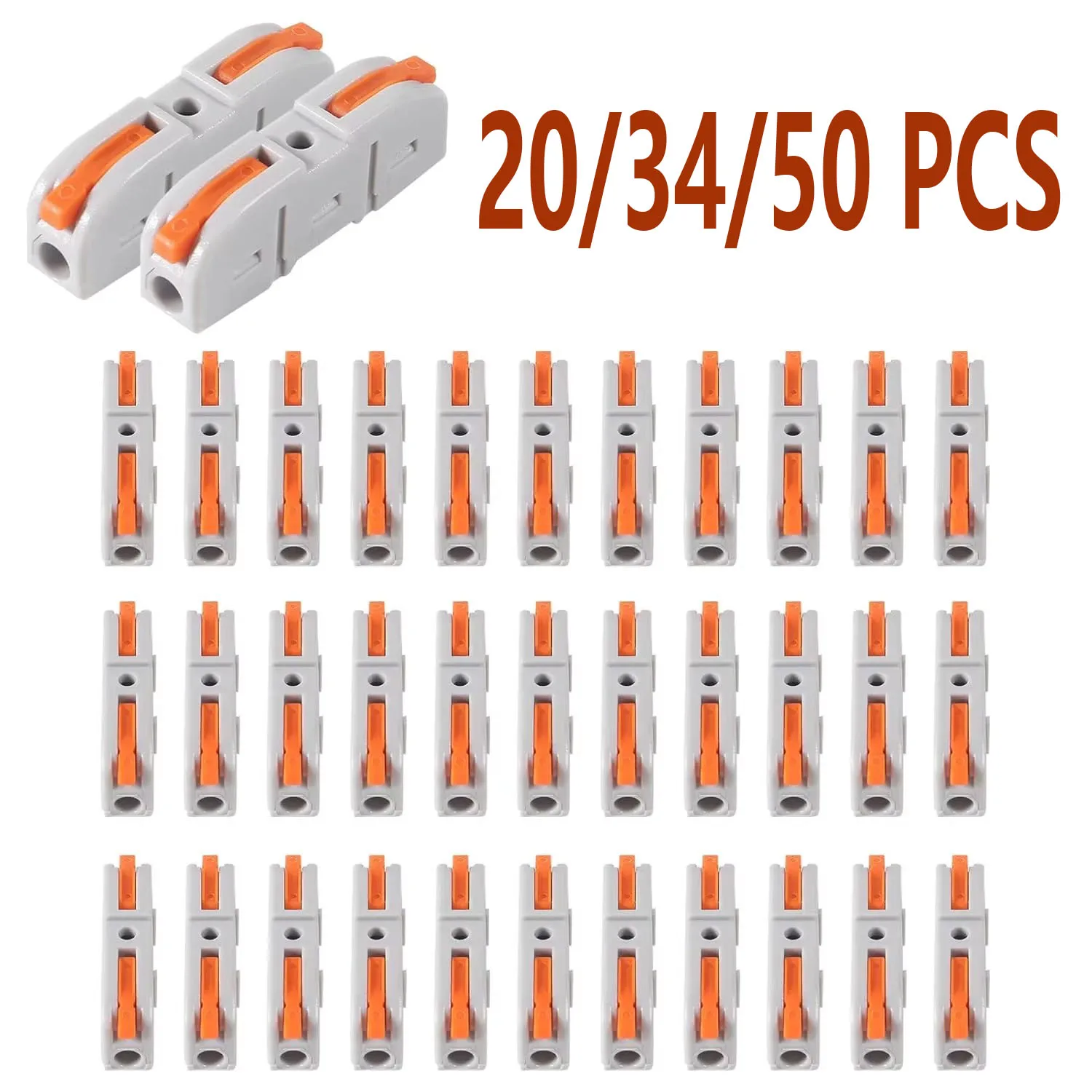
The connectors feature a compact, grey housing with distinct orange levers, indicating a quick-release mechanism. Dimensions are clearly marked as 39mm in length, 14mm in width, and 8.5mm in height. These are small units.
This compact form factor allows for installation in tight spaces, a common challenge in junction boxes or behind fixtures. The visual differentiation of the levers aids in quick identification during wiring tasks, reducing potential errors. Proper identification is key.
Traditional methods often involve bulky wire nuts or complex terminal blocks that consume significant space. These lever connectors offer a streamlined alternative, simplifying wire management and improving the overall aesthetic of an installation. They save valuable time.
Universal Wire Compatibility
The product explicitly supports a wide range of wire types: solid (BV), stranded (BVR), and flexible (RV) conductors. The specified gauge compatibility ranges from 24 AWG to 12 AWG for solid and stranded wires, and 24 AWG to 14 AWG for flexible wires. This broad compatibility is a major advantage.
This versatility means a single type of connector can be used across multiple wiring scenarios, from lighting circuits to appliance connections. Electricians can carry fewer specialized components, streamlining their toolkit. It simplifies inventory.
Unlike older screw-terminal blocks that often struggle with flexible wires or require crimped ferrules, these lever connectors provide a consistent, firm grip on all listed wire types. This reduces the risk of loose connections and potential arcing. Connection quality improves.
Assured Connection Integrity
The internal clamping unit, activated by the orange lever, provides a robust mechanical connection. The visual instructions detail a four-step process: strip the conductor to 10mm, lift the lever to 90 degrees, insert the stripped wire, and lower the lever. This process is straightforward.
This methodical approach minimizes the chances of improper installation, a common cause of electrical faults. The full 90-degree lever action ensures the clamping mechanism is fully open, preventing wire damage during insertion. Secure connections are paramount.
Compared to twisting wires together and capping them with wire nuts, which relies heavily on installer technique, these connectors offer a repeatable and verifiable connection. The visual confirmation of the lever being down provides immediate feedback on proper engagement. Consistency is a benefit.
Safety and Durability Standards
The product images highlight features such as "Insulation Flame Retardant" and "Safety & Efficient." The materials used are implied to be high-quality engineering plastics for the housing and conductive copper for the internal busbar. Safety is a core concern.
Flame retardant insulation is crucial for preventing the spread of fire in the event of an electrical fault. The robust construction suggests a long operational lifespan, reducing the need for frequent replacements. Longevity reduces maintenance.
Many generic connectors on the market may lack certified flame retardancy or use inferior plastics that degrade over time. These connectors, by emphasizing safety features, position themselves as a more reliable and compliant option for permanent installations. Compliance is non-negotiable.
Efficiency in Installation
The "Quick Connect" feature is prominently advertised, suggesting a significant reduction in installation time compared to traditional methods. The design eliminates the need for soldering, taping, or twisting wires. Installation is fast.
For professionals working on large projects or homeowners tackling multiple wiring tasks, the speed of connection translates directly into labor savings. Each connection takes mere seconds, accumulating substantial time savings over a project. Time is money.
Consider the alternative: meticulously twisting wires, ensuring proper contact, then wrapping with electrical tape, or soldering and heat-shrinking. These lever connectors bypass these time-consuming steps, offering a modern, efficient workflow. They simplify complex tasks.
Preventing Electrical Hazards
Loose or improperly insulated connections are primary causes of electrical fires. These connectors aim to mitigate these risks by providing a secure, insulated connection point. Fire prevention is critical.
By ensuring a firm grip on the conductor and fully enclosing the connection within a flame-retardant housing, the risk of arcing, short circuits, and accidental contact is significantly reduced. This enhances the overall safety profile of any electrical system. Safety standards are met.
Unlike exposed terminal blocks or poorly taped splices, these connectors offer a contained and protected connection. This design choice directly addresses common failure points in electrical installations, providing peace of mind. They offer peace of mind.
Amperage and Voltage Considerations
While specific voltage and amperage ratings are not explicitly detailed in the provided images, the wire gauge compatibility (up to 12 AWG) implies suitability for standard residential and light commercial circuits. Typically, 12 AWG wire is rated for 20 amps. This suggests a robust capacity.
Users should always verify the specific current and voltage ratings provided by the manufacturer to ensure the connectors are appropriate for the intended circuit. Overloading a connector can lead to overheating and failure. Proper matching is essential.
Compared to low-quality connectors that might struggle with even moderate loads, these lever-type terminals, by virtue of their design and implied material quality, are expected to handle typical household and small business electrical loads effectively. They perform reliably.
Long-Term Value and Reusability
The reusability of these connectors is a significant economic and practical advantage. The lever mechanism allows for easy disconnection and reconnection of wires without damage to the conductor or the connector itself. They are reusable.
This feature is invaluable for troubleshooting, modifications, or temporary installations. Instead of cutting and re-stripping wires or discarding old connectors, users can simply release and re-engage the levers. This reduces waste and cost.
Traditional methods often involve destructive removal, requiring new materials for each modification. These lever connectors offer a sustainable and cost-effective solution for dynamic electrical systems. They are a smart investment.
Imagine completing a wiring project with confidence, knowing each connection is secure and compliant, installed in a fraction of the time. Picture the ease of modifying a circuit without cutting wires or discarding components. These lever-type connectors provide that efficiency and reliability, allowing for more professional and safer electrical work. They simplify every task.