LCTC Slim Solid State Relay SSR-41FDA & SSR-41FDD
Official Store Deal
Expert Analysis Overview
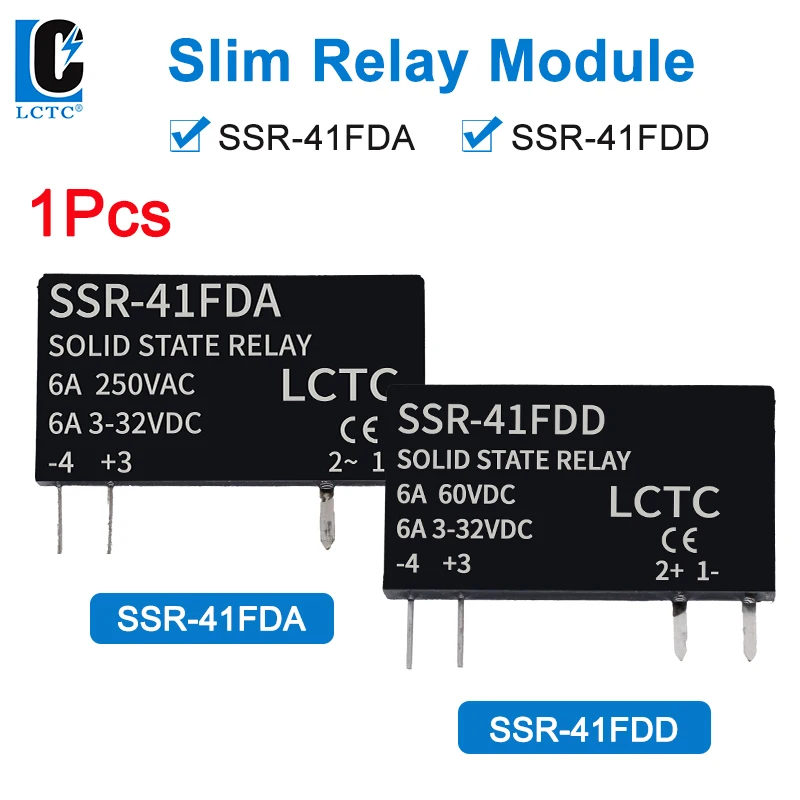
The LCTC Slim Solid State Relay, available in SSR-41FDA (DC to AC) and SSR-41FDD (DC to DC) variants, represents a practical switching solution for solar energy enthusiasts and automation projects. These non-contact relays offer silent, high-speed operation where mechanical relays might introduce wear or noise. The compact form factor is a significant advantage for integrating these components into dense control panels or custom PCB designs, particularly in off-grid solar systems where space optimization is often a priority.
Solid State Relays (SSRs) are fundamental for managing power flow in sophisticated energy systems. Unlike electromechanical relays, SSRs utilize semiconductor components to perform switching functions, eliminating moving parts. This design inherently enhances reliability and extends operational lifespan, crucial for continuous-duty applications found in solar power management. The absence of arcing contacts also makes them suitable for environments where explosive gases might be present, or where electromagnetic interference (EMI) needs to be minimized.
For solar hobbyists, the ability to precisely control DC and AC loads with a low-power control signal is invaluable. These relays bridge the gap between sensitive control electronics and higher power circuits. It is a robust choice.
Compared to traditional mechanical relays, these SSRs offer superior switching speed and silent operation. Mechanical relays often suffer from contact bounce and wear, leading to eventual failure, whereas SSRs maintain consistent performance over millions of cycles.
The SSR-41FDA model is specifically engineered for DC to AC switching, accepting a 3-32VDC control signal to manage 24-250VAC loads up to 6A. This capability is vital for integrating AC appliances or grid-tied inverters into a solar energy system controlled by a DC-based charge controller or microcontroller. The wide load voltage range accommodates standard household AC requirements.
Such a relay can effectively isolate sensitive control circuitry from the higher voltage AC load. This ensures safety and prevents potential damage to microcontrollers from inductive kicks or voltage spikes. Power management becomes simpler.
Typical DC to AC conversion setups often involve complex wiring or larger, more expensive contactors. The SSR-41FDA offers a streamlined, cost-effective alternative for moderate AC loads, simplifying system design and reducing overall component count. It is a compact solution.
For purely DC applications, the SSR-41FDD variant provides DC to DC switching, controlled by 3-32VDC and handling 5-60VDC loads up to 6A. This is particularly useful in off-grid solar installations for managing battery charging, switching DC lighting, or controlling other DC appliances directly. The 60VDC load rating covers common 12V, 24V, and 48V battery bank configurations.
Implementing this relay allows for efficient power distribution within a DC microgrid. For instance, a smart energy management system can use these SSRs to disconnect non-essential DC loads during periods of low solar irradiance, preserving battery capacity. This optimizes energy usage.
Many solar setups rely on manual switches or less efficient mechanical relays for DC load control. The SSR-41FDD provides a maintenance-free, automated solution, enhancing system reliability and enabling more sophisticated energy management strategies. Its operation is silent.
Both SSR models share a slim profile, measuring approximately 1.1 inches in length, 0.59 inches in width, and 0.24 inches in height. This compact size is a significant advantage for space-constrained applications, allowing for higher component density on PCBs or within control enclosures. The insert installation method, typically involving pin headers, facilitates direct mounting onto circuit boards or into compatible sockets.
Integrating these relays into custom solar charge controllers or inverter control boards becomes straightforward due to their small footprint. Designers can create more compact and aesthetically pleasing enclosures for their energy management systems. Every inch counts.
Larger, chassis-mount SSRs or mechanical relays often require substantial mounting space and dedicated heat sinks. These slim relays, while rated for lower current, offer an alternative for applications where miniaturization is key, potentially reducing the overall size and weight of the final product. Their design supports modularity.
The specified off-state time of less than or equal to 10ms for both models indicates rapid switching capabilities. This responsiveness is crucial for applications requiring quick load disconnection or precise timing, such as pulse-width modulation (PWM) control of motors or heaters in a solar thermal system. Fast switching minimizes energy waste.
In a scenario where a solar panel array needs to be quickly disconnected from a load due to an overcurrent condition or system fault, a fast-acting SSR can prevent damage to downstream components. This protects valuable equipment. The response time is excellent.
Compared to the typical response times of mechanical relays, which can range from tens to hundreds of milliseconds, these SSRs offer significantly faster action. This speed translates directly into more precise control and enhanced system protection, especially in dynamic load environments.
These LCTC solid state relays offer a compelling value proposition for those building or upgrading solar energy systems. Their non-contact nature ensures a long operational life free from mechanical wear, reducing maintenance requirements and increasing system uptime. The dual availability of DC to AC and DC to DC models provides flexibility for various system architectures, from simple off-grid lighting to more complex hybrid setups.
The low control voltage compatibility (3-32VDC) makes them ideal for interfacing with common microcontrollers like Arduino or ESP32, which are frequently used in DIY solar monitoring and control projects. This simplifies the control logic. System integration is easy.
Considering the price point, these relays provide an accessible entry into solid-state switching technology, allowing hobbyists and small-scale integrators to implement reliable, automated control without significant investment. They represent a smart upgrade over basic mechanical switching for many applications.
Imagine a self-sustaining energy system, silently managing power distribution, optimizing every watt harvested from the sun. These slim relays are integral components in such a vision, enabling precise, automated control over your DC and AC loads. They ensure your solar setup runs with enhanced reliability and efficiency, providing peace of mind and consistent power delivery, whether for critical loads or everyday conveniences. Your projects will thrive.
Precision Switching for Renewable Systems
Solid State Relays (SSRs) are fundamental for managing power flow in sophisticated energy systems. Unlike electromechanical relays, SSRs utilize semiconductor components to perform switching functions, eliminating moving parts. This design inherently enhances reliability and extends operational lifespan, crucial for continuous-duty applications found in solar power management. The absence of arcing contacts also makes them suitable for environments where explosive gases might be present, or where electromagnetic interference (EMI) needs to be minimized.
For solar hobbyists, the ability to precisely control DC and AC loads with a low-power control signal is invaluable. These relays bridge the gap between sensitive control electronics and higher power circuits. It is a robust choice.
Compared to traditional mechanical relays, these SSRs offer superior switching speed and silent operation. Mechanical relays often suffer from contact bounce and wear, leading to eventual failure, whereas SSRs maintain consistent performance over millions of cycles.
DC to AC Conversion Efficiency
The SSR-41FDA model is specifically engineered for DC to AC switching, accepting a 3-32VDC control signal to manage 24-250VAC loads up to 6A. This capability is vital for integrating AC appliances or grid-tied inverters into a solar energy system controlled by a DC-based charge controller or microcontroller. The wide load voltage range accommodates standard household AC requirements.
Such a relay can effectively isolate sensitive control circuitry from the higher voltage AC load. This ensures safety and prevents potential damage to microcontrollers from inductive kicks or voltage spikes. Power management becomes simpler.
Typical DC to AC conversion setups often involve complex wiring or larger, more expensive contactors. The SSR-41FDA offers a streamlined, cost-effective alternative for moderate AC loads, simplifying system design and reducing overall component count. It is a compact solution.
Direct Current Load Management
For purely DC applications, the SSR-41FDD variant provides DC to DC switching, controlled by 3-32VDC and handling 5-60VDC loads up to 6A. This is particularly useful in off-grid solar installations for managing battery charging, switching DC lighting, or controlling other DC appliances directly. The 60VDC load rating covers common 12V, 24V, and 48V battery bank configurations.
Implementing this relay allows for efficient power distribution within a DC microgrid. For instance, a smart energy management system can use these SSRs to disconnect non-essential DC loads during periods of low solar irradiance, preserving battery capacity. This optimizes energy usage.
Many solar setups rely on manual switches or less efficient mechanical relays for DC load control. The SSR-41FDD provides a maintenance-free, automated solution, enhancing system reliability and enabling more sophisticated energy management strategies. Its operation is silent.
Physical Footprint and Integration
Both SSR models share a slim profile, measuring approximately 1.1 inches in length, 0.59 inches in width, and 0.24 inches in height. This compact size is a significant advantage for space-constrained applications, allowing for higher component density on PCBs or within control enclosures. The insert installation method, typically involving pin headers, facilitates direct mounting onto circuit boards or into compatible sockets.
Integrating these relays into custom solar charge controllers or inverter control boards becomes straightforward due to their small footprint. Designers can create more compact and aesthetically pleasing enclosures for their energy management systems. Every inch counts.
Larger, chassis-mount SSRs or mechanical relays often require substantial mounting space and dedicated heat sinks. These slim relays, while rated for lower current, offer an alternative for applications where miniaturization is key, potentially reducing the overall size and weight of the final product. Their design supports modularity.
Operational Responsiveness and Efficiency
The specified off-state time of less than or equal to 10ms for both models indicates rapid switching capabilities. This responsiveness is crucial for applications requiring quick load disconnection or precise timing, such as pulse-width modulation (PWM) control of motors or heaters in a solar thermal system. Fast switching minimizes energy waste.
In a scenario where a solar panel array needs to be quickly disconnected from a load due to an overcurrent condition or system fault, a fast-acting SSR can prevent damage to downstream components. This protects valuable equipment. The response time is excellent.
Compared to the typical response times of mechanical relays, which can range from tens to hundreds of milliseconds, these SSRs offer significantly faster action. This speed translates directly into more precise control and enhanced system protection, especially in dynamic load environments.
Value Proposition for System Builders
These LCTC solid state relays offer a compelling value proposition for those building or upgrading solar energy systems. Their non-contact nature ensures a long operational life free from mechanical wear, reducing maintenance requirements and increasing system uptime. The dual availability of DC to AC and DC to DC models provides flexibility for various system architectures, from simple off-grid lighting to more complex hybrid setups.
The low control voltage compatibility (3-32VDC) makes them ideal for interfacing with common microcontrollers like Arduino or ESP32, which are frequently used in DIY solar monitoring and control projects. This simplifies the control logic. System integration is easy.
Considering the price point, these relays provide an accessible entry into solid-state switching technology, allowing hobbyists and small-scale integrators to implement reliable, automated control without significant investment. They represent a smart upgrade over basic mechanical switching for many applications.
Imagine a self-sustaining energy system, silently managing power distribution, optimizing every watt harvested from the sun. These slim relays are integral components in such a vision, enabling precise, automated control over your DC and AC loads. They ensure your solar setup runs with enhanced reliability and efficiency, providing peace of mind and consistent power delivery, whether for critical loads or everyday conveniences. Your projects will thrive.