LBSF RG174 SMA Coaxial Extension Cable
Official Store Deal
Expert Analysis Overview
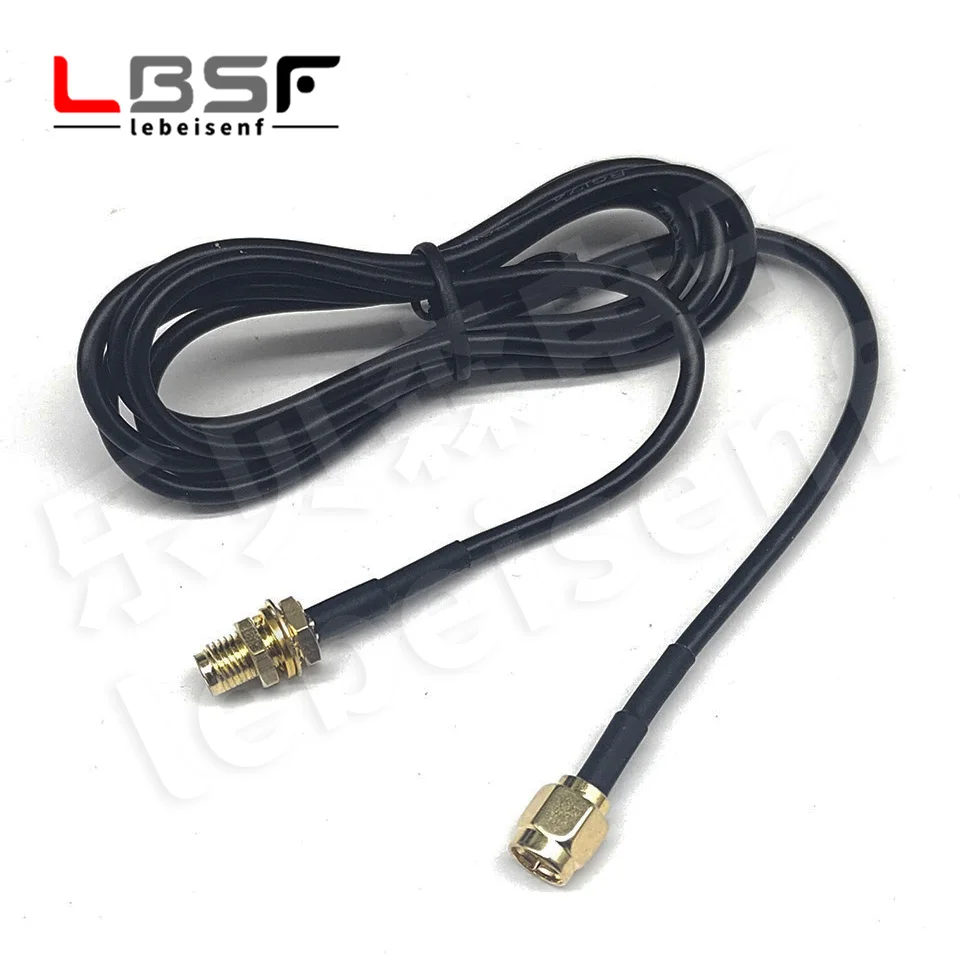
The LBSF RG174 SMA Coaxial Extension Cable is a practical connectivity solution engineered for reliable signal transmission in radio frequency (RF) applications requiring flexible, compact cabling. This cable addresses the common need to extend the reach of antennas or RF modules, providing a standardized 50-ohm impedance path. Its construction details suggest a focus on balancing performance with physical adaptability, making it suitable for a range of consumer and hobbyist electronic projects. The visible gold-plated connectors are a notable feature.
The internal structure of the RG174 cable is critical for its performance characteristics. The inner conductor consists of copper wire, specified at 7*0.16mm, resulting in a 0.46 ± 0.05mm diameter. This multi-strand design enhances flexibility. A solid core PE (Polyethylene) dielectric, measuring 1.52 ± 0.05mm, insulates the inner conductor. This material choice impacts signal velocity.
This multi-strand copper core is a deliberate design choice, prioritizing flexibility over the absolute rigidity of a solid core. For applications where the cable may be routed around tight corners or frequently moved, this flexibility minimizes stress on the conductor. The PE dielectric provides consistent insulation, crucial for maintaining the cable's impedance and minimizing signal loss.
Compared to rigid solid-core cables, the stranded copper inner conductor in the RG174 offers superior bend radius and resistance to fatigue. This is a significant advantage in installations where space is constrained or where the cable needs to withstand repeated flexing. Many standard RF cables prioritize signal integrity over flexibility, often at the expense of physical resilience.
The outer conductor is composed of 54*0.12mm copper clad aluminum wire, forming a braided shield with a diameter of 1.95 ± 0.1mm. This shielding is essential for minimizing electromagnetic interference (EMI) and radio frequency interference (RFI). The entire assembly is encased in a black PVC jacket, with an outer diameter of 2.8 ± 0.1mm. This jacket provides physical protection.
The copper clad aluminum braiding offers a cost-effective shielding solution, balancing conductivity with material cost. While not as effective as solid copper braiding or foil shields in high-noise environments, it provides adequate protection for most low-power RF applications. The PVC jacket is a standard choice for general-purpose cables, offering good abrasion resistance and environmental protection.
Many entry-level cables might skimp on the braiding density or use lower-quality jacket materials, leading to increased signal leakage and reduced durability. The specified braiding count and PVC jacket thickness indicate a commitment to a baseline level of performance and longevity. This is a practical compromise for affordability.
The cable's characteristic impedance is specified at 50 ± 2 ohms, a standard for RF communication systems. Its capacitance is 96 ± 2 pF/M, and the velocity of propagation is 66%. These parameters directly influence how efficiently signals travel through the cable. A peak power handling of 3.5KW is noted, though this is typically for very short pulses.
Maintaining a consistent 50-ohm impedance is paramount for efficient power transfer between RF components. Mismatched impedances lead to standing waves, which reflect power back to the source, reducing signal strength and potentially damaging transmitters. The specified capacitance and velocity are standard for RG174, indicating predictable signal behavior. The peak power rating, while high, should not be confused with continuous power handling, which is much lower for this cable type.
Unlike non-50-ohm cables or poorly manufactured alternatives, this cable adheres to the industry standard, ensuring compatibility with most RF equipment. Users connecting antennas, transceivers, or test equipment can expect predictable performance. Cheaper cables often have wider impedance tolerances, leading to noticeable signal degradation.
The cable features SMA-J (male) and SMA-K (female) connectors, both with visible gold plating. The male connector has an external screw and a center pin, while the female connector has an internal screw and a center hole. Dimensions are provided, with the male connector measuring approximately 6.2mm in diameter and the female connector 7.6mm. These are standard SMA dimensions.
Gold plating on the connectors is a significant advantage, offering superior corrosion resistance and improved conductivity compared to nickel or tin-plated alternatives. This translates to a more stable and reliable connection over time, especially in environments with varying humidity. The precise dimensions ensure a snug fit with compatible SMA ports, minimizing mechanical play and potential signal interruptions.
Many generic cables use cheaper, non-plated brass or nickel connectors that are prone to oxidation and wear, leading to intermittent connections and signal loss. The gold-plated SMA connectors on this cable represent an upgrade in long-term reliability and signal integrity. This is a crucial detail for maintaining consistent RF performance.
The cable's operating temperature range is specified from -40 to 85°C, indicating resilience across various environmental conditions. Its cutoff frequency is 15 GHz, suggesting suitability for a broad spectrum of RF applications, though practical use at such high frequencies would incur significant loss over length. The maximum pull tension is 21 lbs, and the minimum bend radius is 28mm. These figures provide insight into its physical limits.
Operating within the specified temperature range ensures the cable's materials do not degrade prematurely, maintaining electrical and mechanical integrity. The high cutoff frequency means the cable itself can theoretically support very high-frequency signals, but the RG174's inherent loss characteristics make it impractical for long runs at the upper end of this spectrum. The bend radius and pull tension figures are important for installation planning, preventing damage from excessive force or tight bends.
Compared to cables with narrower temperature ranges, this RG174 variant offers greater versatility for outdoor or industrial applications where temperature fluctuations are common. Understanding the bend radius is vital; exceeding it can permanently damage the cable's internal structure, leading to signal attenuation or complete failure. Many users overlook these physical constraints, shortening the lifespan of their cables.
This RG174 SMA coaxial extension cable presents a compelling value proposition for users seeking to extend or adapt their existing RF setups without significant investment. The combination of a flexible RG174 core, standard 50-ohm impedance, and gold-plated SMA connectors offers a balanced solution for numerous low-power RF applications. It is particularly well-suited for projects involving Wi-Fi antennas, FPV drone systems, amateur radio, and various Internet of Things (IoT) devices where short to medium cable runs are common.
The detailed specifications, including conductor materials and electrical characteristics, provide transparency regarding its capabilities. While RG174 is known for higher loss than thicker cables, its flexibility and compact size are often more critical for specific use cases. The robust construction details, such as the specified jacket and braiding, suggest a reasonable expectation of durability under normal operating conditions. This cable is positioned as a reliable component for hobbyists and professionals alike.
Imagine completing a complex IoT deployment where every inch of space is precious, and reliable signal extension is non-negotiable. This cable provides the necessary reach and connection integrity, ensuring your devices communicate without interruption. Visualize a drone pilot extending their FPV antenna for optimal signal reception, confident in the consistent performance of their connection. This cable enables seamless integration and reliable operation, allowing users to focus on their projects rather than connectivity issues.
Core Cable Architecture
The internal structure of the RG174 cable is critical for its performance characteristics. The inner conductor consists of copper wire, specified at 7*0.16mm, resulting in a 0.46 ± 0.05mm diameter. This multi-strand design enhances flexibility. A solid core PE (Polyethylene) dielectric, measuring 1.52 ± 0.05mm, insulates the inner conductor. This material choice impacts signal velocity.
This multi-strand copper core is a deliberate design choice, prioritizing flexibility over the absolute rigidity of a solid core. For applications where the cable may be routed around tight corners or frequently moved, this flexibility minimizes stress on the conductor. The PE dielectric provides consistent insulation, crucial for maintaining the cable's impedance and minimizing signal loss.
Compared to rigid solid-core cables, the stranded copper inner conductor in the RG174 offers superior bend radius and resistance to fatigue. This is a significant advantage in installations where space is constrained or where the cable needs to withstand repeated flexing. Many standard RF cables prioritize signal integrity over flexibility, often at the expense of physical resilience.
Shielding and Outer Jacket
The outer conductor is composed of 54*0.12mm copper clad aluminum wire, forming a braided shield with a diameter of 1.95 ± 0.1mm. This shielding is essential for minimizing electromagnetic interference (EMI) and radio frequency interference (RFI). The entire assembly is encased in a black PVC jacket, with an outer diameter of 2.8 ± 0.1mm. This jacket provides physical protection.
The copper clad aluminum braiding offers a cost-effective shielding solution, balancing conductivity with material cost. While not as effective as solid copper braiding or foil shields in high-noise environments, it provides adequate protection for most low-power RF applications. The PVC jacket is a standard choice for general-purpose cables, offering good abrasion resistance and environmental protection.
Many entry-level cables might skimp on the braiding density or use lower-quality jacket materials, leading to increased signal leakage and reduced durability. The specified braiding count and PVC jacket thickness indicate a commitment to a baseline level of performance and longevity. This is a practical compromise for affordability.
Electrical Transmission Characteristics
The cable's characteristic impedance is specified at 50 ± 2 ohms, a standard for RF communication systems. Its capacitance is 96 ± 2 pF/M, and the velocity of propagation is 66%. These parameters directly influence how efficiently signals travel through the cable. A peak power handling of 3.5KW is noted, though this is typically for very short pulses.
Maintaining a consistent 50-ohm impedance is paramount for efficient power transfer between RF components. Mismatched impedances lead to standing waves, which reflect power back to the source, reducing signal strength and potentially damaging transmitters. The specified capacitance and velocity are standard for RG174, indicating predictable signal behavior. The peak power rating, while high, should not be confused with continuous power handling, which is much lower for this cable type.
Unlike non-50-ohm cables or poorly manufactured alternatives, this cable adheres to the industry standard, ensuring compatibility with most RF equipment. Users connecting antennas, transceivers, or test equipment can expect predictable performance. Cheaper cables often have wider impedance tolerances, leading to noticeable signal degradation.
Connector Durability and Interface
The cable features SMA-J (male) and SMA-K (female) connectors, both with visible gold plating. The male connector has an external screw and a center pin, while the female connector has an internal screw and a center hole. Dimensions are provided, with the male connector measuring approximately 6.2mm in diameter and the female connector 7.6mm. These are standard SMA dimensions.
Gold plating on the connectors is a significant advantage, offering superior corrosion resistance and improved conductivity compared to nickel or tin-plated alternatives. This translates to a more stable and reliable connection over time, especially in environments with varying humidity. The precise dimensions ensure a snug fit with compatible SMA ports, minimizing mechanical play and potential signal interruptions.
Many generic cables use cheaper, non-plated brass or nickel connectors that are prone to oxidation and wear, leading to intermittent connections and signal loss. The gold-plated SMA connectors on this cable represent an upgrade in long-term reliability and signal integrity. This is a crucial detail for maintaining consistent RF performance.
Operational Parameters and Longevity
The cable's operating temperature range is specified from -40 to 85°C, indicating resilience across various environmental conditions. Its cutoff frequency is 15 GHz, suggesting suitability for a broad spectrum of RF applications, though practical use at such high frequencies would incur significant loss over length. The maximum pull tension is 21 lbs, and the minimum bend radius is 28mm. These figures provide insight into its physical limits.
Operating within the specified temperature range ensures the cable's materials do not degrade prematurely, maintaining electrical and mechanical integrity. The high cutoff frequency means the cable itself can theoretically support very high-frequency signals, but the RG174's inherent loss characteristics make it impractical for long runs at the upper end of this spectrum. The bend radius and pull tension figures are important for installation planning, preventing damage from excessive force or tight bends.
Compared to cables with narrower temperature ranges, this RG174 variant offers greater versatility for outdoor or industrial applications where temperature fluctuations are common. Understanding the bend radius is vital; exceeding it can permanently damage the cable's internal structure, leading to signal attenuation or complete failure. Many users overlook these physical constraints, shortening the lifespan of their cables.
Value Proposition for RF Enthusiasts
This RG174 SMA coaxial extension cable presents a compelling value proposition for users seeking to extend or adapt their existing RF setups without significant investment. The combination of a flexible RG174 core, standard 50-ohm impedance, and gold-plated SMA connectors offers a balanced solution for numerous low-power RF applications. It is particularly well-suited for projects involving Wi-Fi antennas, FPV drone systems, amateur radio, and various Internet of Things (IoT) devices where short to medium cable runs are common.
The detailed specifications, including conductor materials and electrical characteristics, provide transparency regarding its capabilities. While RG174 is known for higher loss than thicker cables, its flexibility and compact size are often more critical for specific use cases. The robust construction details, such as the specified jacket and braiding, suggest a reasonable expectation of durability under normal operating conditions. This cable is positioned as a reliable component for hobbyists and professionals alike.
Imagine completing a complex IoT deployment where every inch of space is precious, and reliable signal extension is non-negotiable. This cable provides the necessary reach and connection integrity, ensuring your devices communicate without interruption. Visualize a drone pilot extending their FPV antenna for optimal signal reception, confident in the consistent performance of their connection. This cable enables seamless integration and reliable operation, allowing users to focus on their projects rather than connectivity issues.