KUAIQU 4K Digital Soldering Microscope
Official Store Deal
Expert Analysis Overview
The KUAIQU 4K Digital Soldering Microscope is a precision inspection instrument designed for electronics professionals and hobbyists requiring ultra-high-definition magnification for intricate work. This device moves beyond traditional optical microscopes by integrating a high-resolution digital sensor, enabling real-time viewing and recording of minute details on a larger display. Its primary application centers on PCB welding, component inspection, and quality control, offering a significant upgrade in visual clarity and documentation capabilities for complex electronic assemblies.
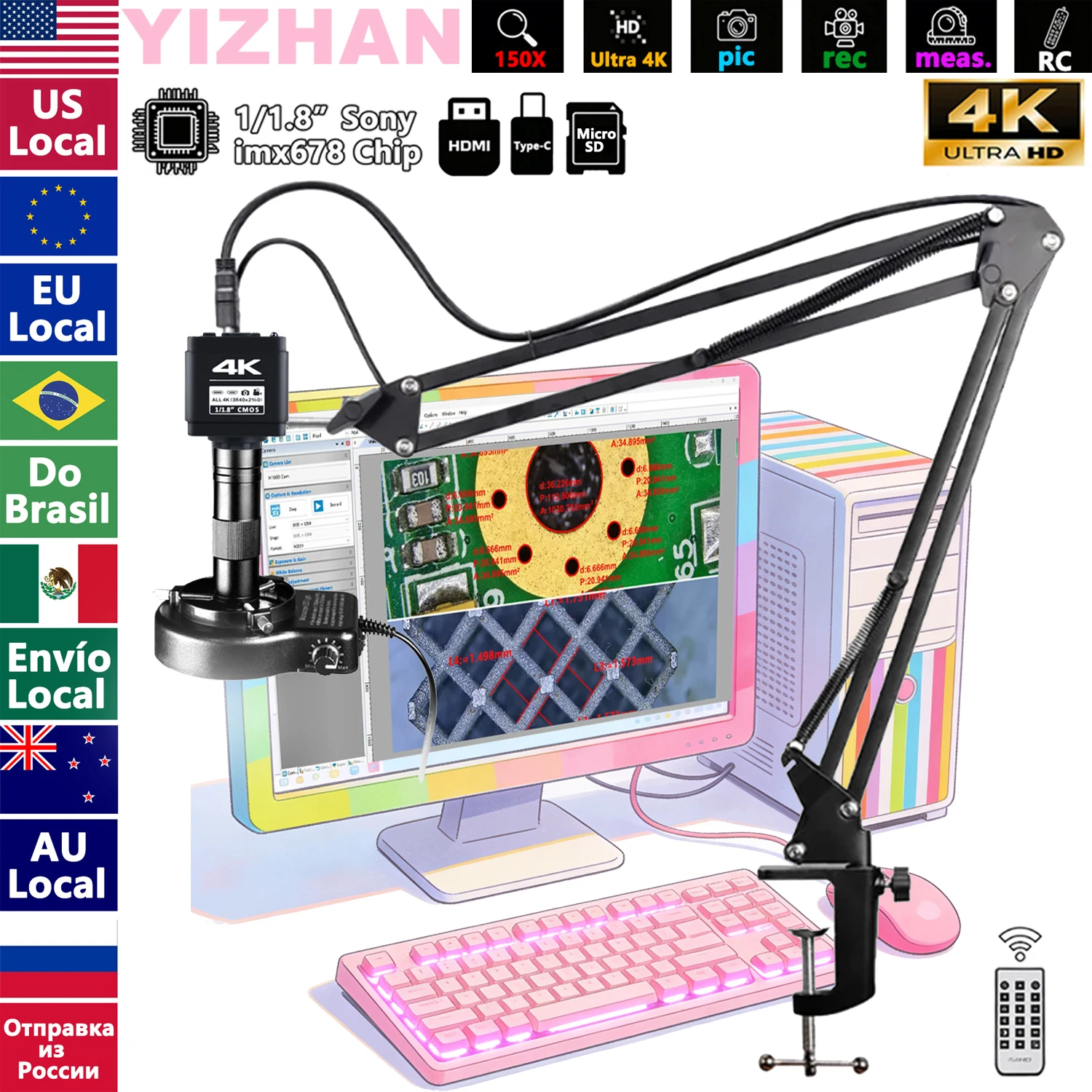
This microscope features a 4K (3840*2160) resolution output, driven by a 1/1.8-inch Sony IMX678 CMOS chip. This sensor boasts 8.29 million pixels, with a pixel size of 2μm x 2μm. Such specifications indicate a capability for capturing extremely fine details.
The implication for users is a dramatically enhanced ability to discern minute imperfections. Imagine inspecting a solder joint; the clarity allows for immediate identification of cold joints, bridges, or insufficient solder, issues often missed by lower-resolution devices. This precision directly translates to higher quality work.
Compared to standard 1080p digital microscopes, the 4K resolution provides four times the pixel count, offering a much larger and clearer field of view without sacrificing detail. This is a substantial leap in diagnostic capability.
The optical system includes a 150X C-Mount lens with a magnification range of approximately 0.15-2x, translating to about 1-150x on a display. The working distance is flexible, ranging from 50mm to 1000mm. This adaptability is key.
This wide working distance is particularly beneficial for soldering and repair tasks, allowing ample space for tools like soldering irons, tweezers, and probes to maneuver under the lens without obstruction. Operators can perform delicate operations comfortably.
Many entry-level microscopes force users into a fixed, short working distance, making actual repair work cumbersome or impossible. This flexible design directly addresses that common frustration, enhancing productivity.
The KUAIQU microscope offers HDMI 3840*2160 output at 30 frames per second (fps) and 1080p output at 60 fps. It also provides a USB 2.0 driver-free output at 3840*2160 at 30 fps. Multiple output options are available.
These connectivity options mean the microscope can be easily integrated into various professional workflows. The HDMI output is ideal for direct connection to large monitors for collaborative viewing or detailed inspection, while the USB output facilitates connection to a computer for image capture, video recording, and software-based analysis. This versatility supports diverse operational needs.
Unlike older analog microscopes or those with proprietary software, the driver-free USB 2.0 connection simplifies setup and ensures compatibility with most modern operating systems. This reduces IT overhead and setup time significantly.
The system supports remote control operation, allowing users to take photos without shaking the unit. This is a critical feature for maintaining image integrity.
When performing detailed inspections, even slight vibrations can blur captured images. The remote control ensures stable image acquisition, which is vital for documentation and quality assurance. Clear images are essential for reports.
Manual button presses on the microscope head often introduce movement, compromising image sharpness. The remote control mitigates this, delivering consistently crisp visual records for client reports or internal analysis.
The microscope unit itself appears compact and robust, mounted on an articulated boom arm stand. This stand provides flexibility in positioning the camera over the workpiece. The arm is sturdy.
This articulated arm is crucial for positioning the microscope precisely over various workpieces, from small PCBs to larger assemblies. The ability to adjust height and angle allows for optimal viewing without needing to constantly reposition the item being inspected. Ergonomic benefits are clear.
Fixed-stand microscopes often limit the size and type of objects that can be examined. The boom arm design offers superior adaptability, making it suitable for a wider range of inspection and repair tasks in a workshop or laboratory setting.
The accompanying software or on-screen display includes features like a measurement tool, camera list, and image adjustment modes. These tools enhance analytical capabilities.
The measurement tool allows for precise dimensional analysis of components directly on the screen, which is invaluable for quality control and reverse engineering. Image adjustment features ensure optimal viewing conditions under varying lighting. Data acquisition is streamlined.
Many basic digital microscopes offer only live viewing. The inclusion of measurement and adjustment tools elevates this unit from a mere viewing device to a comprehensive analysis station, providing actionable data for home inspectors examining potential component failures or engineers verifying specifications.
While not a thermal camera, this microscope offers unique capabilities for a home inspector. It allows for detailed inspection of electronic control boards found in HVAC systems, appliances, or smart home devices. Identifying micro-fractures, corrosion, or poor solder joints on these boards can preemptively flag potential electrical issues or component failures. This prevents future problems.
Furthermore, for detecting early signs of electrical hotspots, a home inspector could use this microscope to examine the integrity of wiring connections at terminal blocks or circuit breakers, looking for signs of arcing, pitting, or loose strands that could lead to overheating. Visual verification is key.
The ability to capture high-resolution photos and videos directly supports generating comprehensive client reports. Documenting specific defects on electronic components with clear, magnified images adds undeniable credibility and clarity to inspection findings, making it easier to explain complex issues to clients. Professional reports are enhanced.
The investment in a 4K digital microscope like the KUAIQU translates into significant long-term value. Its high resolution and robust build quality ensure durability and consistent performance over time, reducing the need for frequent replacements. This is a cost-effective solution.
By enabling faster and more accurate identification of defects, the microscope reduces rework time and improves the overall quality of repairs or inspections. This efficiency saves labor costs and enhances client satisfaction, making it a valuable asset for any professional. Time is money.
Consider the cost of missed defects or inefficient troubleshooting. This microscope minimizes those risks, acting as a force multiplier for precision work. Its capability to capture and document findings also protects professionals in case of disputes, providing clear evidence of conditions found. It’s an investment in accuracy and accountability.
Imagine the confidence in presenting a detailed report to a client, complete with crystal-clear, magnified images of a faulty component, leaving no doubt about the necessary repairs. Picture effortlessly identifying a hairline crack on a PCB that would have otherwise caused intermittent failures, saving hours of frustrating diagnostics. This tool empowers precise work and clear communication, elevating the standard of any inspection or repair task. It simplifies complex problem-solving and ensures every detail is accounted for, making intricate work manageable and verifiable.
Unparalleled Visual Fidelity
This microscope features a 4K (3840*2160) resolution output, driven by a 1/1.8-inch Sony IMX678 CMOS chip. This sensor boasts 8.29 million pixels, with a pixel size of 2μm x 2μm. Such specifications indicate a capability for capturing extremely fine details.
The implication for users is a dramatically enhanced ability to discern minute imperfections. Imagine inspecting a solder joint; the clarity allows for immediate identification of cold joints, bridges, or insufficient solder, issues often missed by lower-resolution devices. This precision directly translates to higher quality work.
Compared to standard 1080p digital microscopes, the 4K resolution provides four times the pixel count, offering a much larger and clearer field of view without sacrificing detail. This is a substantial leap in diagnostic capability.
Optical System and Magnification
The optical system includes a 150X C-Mount lens with a magnification range of approximately 0.15-2x, translating to about 1-150x on a display. The working distance is flexible, ranging from 50mm to 1000mm. This adaptability is key.
This wide working distance is particularly beneficial for soldering and repair tasks, allowing ample space for tools like soldering irons, tweezers, and probes to maneuver under the lens without obstruction. Operators can perform delicate operations comfortably.
Many entry-level microscopes force users into a fixed, short working distance, making actual repair work cumbersome or impossible. This flexible design directly addresses that common frustration, enhancing productivity.
Connectivity and Workflow Integration
The KUAIQU microscope offers HDMI 3840*2160 output at 30 frames per second (fps) and 1080p output at 60 fps. It also provides a USB 2.0 driver-free output at 3840*2160 at 30 fps. Multiple output options are available.
These connectivity options mean the microscope can be easily integrated into various professional workflows. The HDMI output is ideal for direct connection to large monitors for collaborative viewing or detailed inspection, while the USB output facilitates connection to a computer for image capture, video recording, and software-based analysis. This versatility supports diverse operational needs.
Unlike older analog microscopes or those with proprietary software, the driver-free USB 2.0 connection simplifies setup and ensures compatibility with most modern operating systems. This reduces IT overhead and setup time significantly.
Remote Control and Image Capture
The system supports remote control operation, allowing users to take photos without shaking the unit. This is a critical feature for maintaining image integrity.
When performing detailed inspections, even slight vibrations can blur captured images. The remote control ensures stable image acquisition, which is vital for documentation and quality assurance. Clear images are essential for reports.
Manual button presses on the microscope head often introduce movement, compromising image sharpness. The remote control mitigates this, delivering consistently crisp visual records for client reports or internal analysis.
Ergonomics and Build Quality
The microscope unit itself appears compact and robust, mounted on an articulated boom arm stand. This stand provides flexibility in positioning the camera over the workpiece. The arm is sturdy.
This articulated arm is crucial for positioning the microscope precisely over various workpieces, from small PCBs to larger assemblies. The ability to adjust height and angle allows for optimal viewing without needing to constantly reposition the item being inspected. Ergonomic benefits are clear.
Fixed-stand microscopes often limit the size and type of objects that can be examined. The boom arm design offers superior adaptability, making it suitable for a wider range of inspection and repair tasks in a workshop or laboratory setting.
Software Functionality and Measurement Tools
The accompanying software or on-screen display includes features like a measurement tool, camera list, and image adjustment modes. These tools enhance analytical capabilities.
The measurement tool allows for precise dimensional analysis of components directly on the screen, which is invaluable for quality control and reverse engineering. Image adjustment features ensure optimal viewing conditions under varying lighting. Data acquisition is streamlined.
Many basic digital microscopes offer only live viewing. The inclusion of measurement and adjustment tools elevates this unit from a mere viewing device to a comprehensive analysis station, providing actionable data for home inspectors examining potential component failures or engineers verifying specifications.
Applications for the Home Inspector
While not a thermal camera, this microscope offers unique capabilities for a home inspector. It allows for detailed inspection of electronic control boards found in HVAC systems, appliances, or smart home devices. Identifying micro-fractures, corrosion, or poor solder joints on these boards can preemptively flag potential electrical issues or component failures. This prevents future problems.
Furthermore, for detecting early signs of electrical hotspots, a home inspector could use this microscope to examine the integrity of wiring connections at terminal blocks or circuit breakers, looking for signs of arcing, pitting, or loose strands that could lead to overheating. Visual verification is key.
The ability to capture high-resolution photos and videos directly supports generating comprehensive client reports. Documenting specific defects on electronic components with clear, magnified images adds undeniable credibility and clarity to inspection findings, making it easier to explain complex issues to clients. Professional reports are enhanced.
Long-Term Value and Operational Efficiency
The investment in a 4K digital microscope like the KUAIQU translates into significant long-term value. Its high resolution and robust build quality ensure durability and consistent performance over time, reducing the need for frequent replacements. This is a cost-effective solution.
By enabling faster and more accurate identification of defects, the microscope reduces rework time and improves the overall quality of repairs or inspections. This efficiency saves labor costs and enhances client satisfaction, making it a valuable asset for any professional. Time is money.
Consider the cost of missed defects or inefficient troubleshooting. This microscope minimizes those risks, acting as a force multiplier for precision work. Its capability to capture and document findings also protects professionals in case of disputes, providing clear evidence of conditions found. It’s an investment in accuracy and accountability.
Imagine the confidence in presenting a detailed report to a client, complete with crystal-clear, magnified images of a faulty component, leaving no doubt about the necessary repairs. Picture effortlessly identifying a hairline crack on a PCB that would have otherwise caused intermittent failures, saving hours of frustrating diagnostics. This tool empowers precise work and clear communication, elevating the standard of any inspection or repair task. It simplifies complex problem-solving and ensures every detail is accounted for, making intricate work manageable and verifiable.