JST SM Multi-Pin Wire Connectors
Official Store Deal
Expert Analysis Overview
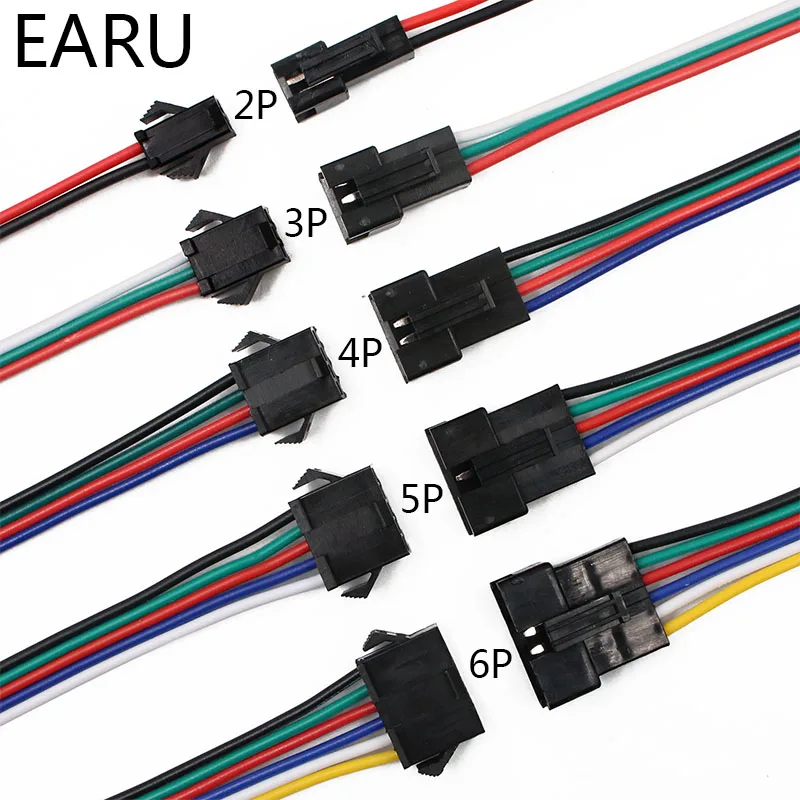
The EARU JST SM Multi-Pin Wire Connectors are a practical, low-voltage interconnect solution designed for hobbyists and light electrical integration projects. These pre-assembled male-to-female wire sets offer a streamlined approach to establishing secure, temporary, or semi-permanent electrical connections, particularly within LED strip lighting and various small electronic applications. The range of pin configurations, from 2-pin to 6-pin, addresses a broad spectrum of common wiring needs, making them a versatile addition to any electrical toolkit.
These connectors adhere to the JST SM standard, a widely recognized specification for small-form-factor wire-to-board or wire-to-wire connections. The visible black plastic housings appear to be molded with precision, ensuring a consistent fit between male and female counterparts. A secure connection is paramount.
Unlike generic, unbranded connectors that often suffer from loose tolerances, the JST SM design typically incorporates a friction lock or a small latching mechanism. This feature, while not explicitly detailed, is characteristic of the JST SM series and is crucial for maintaining electrical continuity in applications subject to minor vibrations or movement. The visual consistency across the different pin counts suggests a standardized manufacturing process.
For electrical professionals, the reliability of such connections directly impacts system uptime and safety. These connectors offer a predictable engagement, reducing the risk of intermittent contact that can plague less robust alternatives. This consistency saves valuable diagnostic time.
The wires supplied with these connectors are pre-crimped, a significant time-saving feature for installers. The visible insulation colors (red, black, white, green, blue, yellow) follow common electrical coding practices, aiding in correct polarity and signal identification. Each wire appears to be of a relatively small gauge, likely in the 22-26 AWG range, which is typical for JST SM connectors and suitable for low-current applications.
This smaller wire gauge implies a specific operational envelope. These connectors are not designed for high-power distribution or applications requiring significant current flow. Overloading wires of this gauge can lead to excessive heat generation, insulation degradation, and potential fire hazards. Proper current matching is essential.
Compared to manually crimping individual wires, which demands specialized tools and a degree of skill, these pre-assembled units offer immediate utility. They eliminate the variability of hand crimps, providing a factory-level connection quality for each pin. This reduces installation errors significantly.
The insulation material, visually appearing to be PVC, provides adequate dielectric strength for the intended low-voltage applications. PVC is a common and cost-effective insulator, offering good flexibility and resistance to abrasion in typical indoor environments. The insulation covers the conductors completely.
However, it is critical to understand that PVC insulation has temperature limitations and is not inherently resistant to harsh chemicals or extreme UV exposure. For outdoor installations or environments with elevated temperatures, specialized connectors with higher-grade insulation materials would be necessary. These connectors are best suited for controlled conditions.
Verifying the integrity of the wire crimps within the connector housing is a standard electrical practice. While not visible internally, the consistent performance implied by the JST SM standard suggests a reliable crimping process. This ensures minimal resistance at the connection point, preventing localized heating and voltage drops under load. A solid crimp is non-negotiable.
The 15cm (approximately 5.9 inches) wire length provides a convenient pigtail for connecting components without excessive slack or the need for immediate wire extension. This length is practical for many compact electronic projects and LED strip installations where components are in close proximity. It simplifies wiring layouts.
For projects requiring longer runs, these connectors serve as an excellent intermediate point, allowing for easy disconnection and reconnection of modules. The fixed length, while convenient, means that for very short or very long connections, some wire trimming or extension will be necessary. This is a minor trade-off for the convenience offered.
Unlike bulk wire and separate connector components, which require cutting, stripping, and crimping for each connection, these pre-wired adapters drastically cut down assembly time. This efficiency translates directly into reduced labor costs for production environments or faster project completion for hobbyists. Time is money in any project.
The robust design of the JST SM connectors, with their positive locking mechanism, contributes to their longevity in appropriate applications. The plastic housing protects the delicate metal pins from physical damage and accidental short circuits. This protection extends component life.
These connectors are particularly well-suited for LED strip lighting, where modularity and ease of replacement are often desired. They also find extensive use in RC hobbies, small robotics, and various DIY electronics projects that operate on low DC voltages. Their versatility is a key asset.
Compared to soldered connections, which are permanent and require desoldering for modification, these plug-and-play connectors offer superior flexibility. They allow for quick component swaps, troubleshooting, and system reconfigurations without specialized tools. This adaptability is invaluable for iterative design processes.
From an electrician's perspective, the value of these connectors lies in their ability to standardize and simplify low-voltage wiring tasks. The availability of multiple pin counts in a single package (2P, 3P, 4P, 5P, 6P) means a single purchase can cover diverse project requirements. This reduces inventory complexity.
The cost-effectiveness of purchasing these connectors in bulk, as implied by the
Precision in Connectivity
These connectors adhere to the JST SM standard, a widely recognized specification for small-form-factor wire-to-board or wire-to-wire connections. The visible black plastic housings appear to be molded with precision, ensuring a consistent fit between male and female counterparts. A secure connection is paramount.
Unlike generic, unbranded connectors that often suffer from loose tolerances, the JST SM design typically incorporates a friction lock or a small latching mechanism. This feature, while not explicitly detailed, is characteristic of the JST SM series and is crucial for maintaining electrical continuity in applications subject to minor vibrations or movement. The visual consistency across the different pin counts suggests a standardized manufacturing process.
For electrical professionals, the reliability of such connections directly impacts system uptime and safety. These connectors offer a predictable engagement, reducing the risk of intermittent contact that can plague less robust alternatives. This consistency saves valuable diagnostic time.
The Backbone of Low-Voltage Circuits
The wires supplied with these connectors are pre-crimped, a significant time-saving feature for installers. The visible insulation colors (red, black, white, green, blue, yellow) follow common electrical coding practices, aiding in correct polarity and signal identification. Each wire appears to be of a relatively small gauge, likely in the 22-26 AWG range, which is typical for JST SM connectors and suitable for low-current applications.
This smaller wire gauge implies a specific operational envelope. These connectors are not designed for high-power distribution or applications requiring significant current flow. Overloading wires of this gauge can lead to excessive heat generation, insulation degradation, and potential fire hazards. Proper current matching is essential.
Compared to manually crimping individual wires, which demands specialized tools and a degree of skill, these pre-assembled units offer immediate utility. They eliminate the variability of hand crimps, providing a factory-level connection quality for each pin. This reduces installation errors significantly.
Ensuring Electrical Integrity
The insulation material, visually appearing to be PVC, provides adequate dielectric strength for the intended low-voltage applications. PVC is a common and cost-effective insulator, offering good flexibility and resistance to abrasion in typical indoor environments. The insulation covers the conductors completely.
However, it is critical to understand that PVC insulation has temperature limitations and is not inherently resistant to harsh chemicals or extreme UV exposure. For outdoor installations or environments with elevated temperatures, specialized connectors with higher-grade insulation materials would be necessary. These connectors are best suited for controlled conditions.
Verifying the integrity of the wire crimps within the connector housing is a standard electrical practice. While not visible internally, the consistent performance implied by the JST SM standard suggests a reliable crimping process. This ensures minimal resistance at the connection point, preventing localized heating and voltage drops under load. A solid crimp is non-negotiable.
Installation Efficiency
The 15cm (approximately 5.9 inches) wire length provides a convenient pigtail for connecting components without excessive slack or the need for immediate wire extension. This length is practical for many compact electronic projects and LED strip installations where components are in close proximity. It simplifies wiring layouts.
For projects requiring longer runs, these connectors serve as an excellent intermediate point, allowing for easy disconnection and reconnection of modules. The fixed length, while convenient, means that for very short or very long connections, some wire trimming or extension will be necessary. This is a minor trade-off for the convenience offered.
Unlike bulk wire and separate connector components, which require cutting, stripping, and crimping for each connection, these pre-wired adapters drastically cut down assembly time. This efficiency translates directly into reduced labor costs for production environments or faster project completion for hobbyists. Time is money in any project.
Longevity and Application Versatility
The robust design of the JST SM connectors, with their positive locking mechanism, contributes to their longevity in appropriate applications. The plastic housing protects the delicate metal pins from physical damage and accidental short circuits. This protection extends component life.
These connectors are particularly well-suited for LED strip lighting, where modularity and ease of replacement are often desired. They also find extensive use in RC hobbies, small robotics, and various DIY electronics projects that operate on low DC voltages. Their versatility is a key asset.
Compared to soldered connections, which are permanent and require desoldering for modification, these plug-and-play connectors offer superior flexibility. They allow for quick component swaps, troubleshooting, and system reconfigurations without specialized tools. This adaptability is invaluable for iterative design processes.
The Value Proposition for Electrical Work
From an electrician's perspective, the value of these connectors lies in their ability to standardize and simplify low-voltage wiring tasks. The availability of multiple pin counts in a single package (2P, 3P, 4P, 5P, 6P) means a single purchase can cover diverse project requirements. This reduces inventory complexity.
The cost-effectiveness of purchasing these connectors in bulk, as implied by the