High-Current Square Through-Wall PV Energy Storage Terminal
Official Store Deal
Expert Analysis Overview
The High-Current Square Through-Wall PV Energy Storage Terminal is a robust, specialized component engineered for demanding photovoltaic (PV) energy storage applications. Its design prioritizes secure, high-amperage connections, crucial for the reliability of solar battery banks. This terminal addresses common failure points in energy storage systems by focusing on material integrity and mechanical stability.
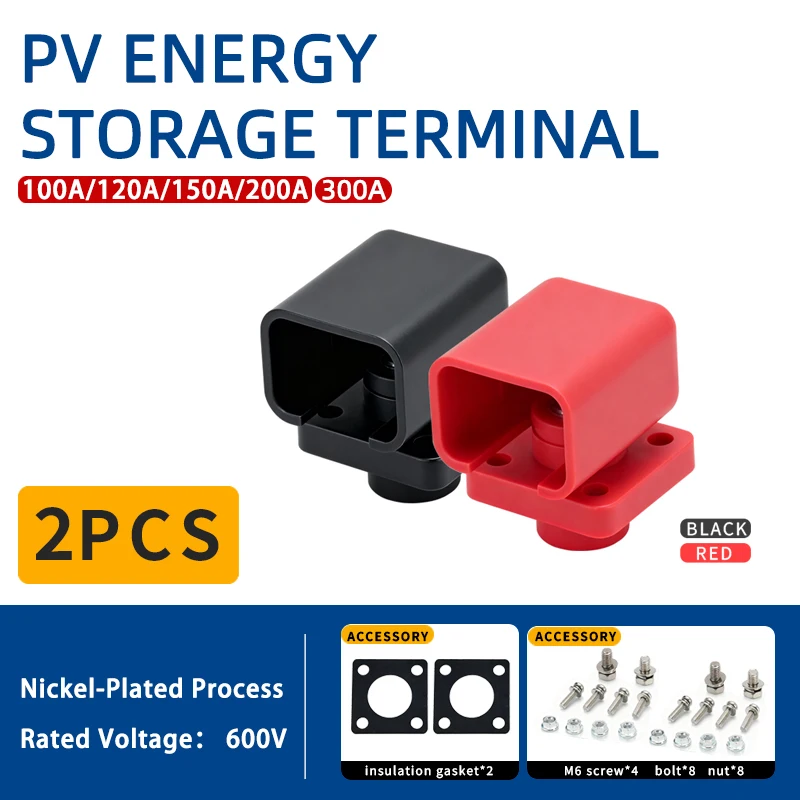
This terminal features a distinctive square form factor and a through-wall mounting design. The visible images show a main body with an integrated mounting flange, designed to pass through a panel or enclosure wall. This allows for a clean, insulated connection point on one side and wiring access on the other. The square shape provides a larger contact area for mounting, enhancing stability.
Its through-wall nature simplifies system integration. It allows for a sealed pass-through, separating internal battery compartments from external wiring. This design minimizes exposure to environmental factors for internal connections. A secure installation is paramount for electrical safety.
Compared to traditional round terminals, the square base offers superior anti-rotation properties when mounted. This prevents loosening over time due to vibrations or thermal expansion/contraction cycles. Such stability is critical for maintaining consistent electrical contact.
The product description highlights an "all-pure copper" construction for the main conductive elements, further enhanced by a nickel-plated process. Copper is a well-established conductor, known for its low electrical resistivity. Pure copper ensures minimal energy loss through the terminal itself.
Nickel plating serves multiple vital functions. It provides a corrosion-resistant barrier, protecting the copper from oxidation and environmental degradation. This is especially important in outdoor or humid PV installations. The plating also improves surface hardness, resisting wear from repeated connections.
Unlike terminals made from brass or tinned steel, the pure copper core offers superior conductivity and heat dissipation. Lower resistance means less heat generated during high current flow. This directly translates to improved system efficiency and reduced risk of thermal runaway in battery systems.
These terminals are rated for high currents, specifically 100A, 120A, 150A, and 200A, with a maximum variant up to 300A. The rated voltage is 600V. These specifications indicate a component built for significant power transfer.
Such high current ratings are essential for large-scale PV energy storage systems, where battery banks can discharge substantial power. The ability to handle 300A means fewer terminals are needed for high-power applications. This simplifies wiring and reduces potential failure points.
Lower-rated connectors often become bottlenecks in high-power circuits, leading to excessive heat and voltage drop. This terminal's robust current capacity ensures the full potential of the battery bank is delivered efficiently. It is a fundamental requirement for reliable energy delivery.
The terminal assembly includes fixing nuts, fixing screws, an insulating gasket, and a protective cover. These components are designed to create a secure, insulated, and protected connection. The detailed diagram illustrates how the main body mounts with screws and nuts.
An insulating gasket is crucial for preventing short circuits between the terminal and the mounting panel. This gasket ensures electrical isolation, a primary safety feature. The protective cover shields the exposed wiring connections from accidental contact and environmental ingress.
Many quick-connect solutions lack the mechanical integrity provided by bolted connections. The use of multiple fixing points and a robust cover indicates a design focused on long-term reliability. This prevents intermittent connections that can plague less secure setups.
Explicitly designed for PV energy storage (new energy), this terminal is tailored for the specific demands of solar battery systems. It forms a critical interface between battery cells, busbars, and inverter systems. Its high current capacity supports rapid charging and discharging cycles.
In a typical PV setup, these terminals would facilitate the connection of battery modules to a central busbar or directly to an inverter. The through-wall design allows for neat, compartmentalized installations. This contributes to a safer and more organized electrical enclosure.
General-purpose terminals often fall short in the harsh conditions of PV systems, which involve wide temperature swings and high current demands. This specialized terminal offers enhanced thermal and electrical performance for this niche. It is a purpose-built solution.
At approximately $6.23 USD for a pair, these terminals represent a cost-effective solution for critical high-current connections. The initial investment is minimal compared to the potential cost of system downtime or equipment damage from inferior components. Preventing failures saves money.
Investing in high-quality terminals like these offers significant long-term value. Their durability and high performance reduce the need for frequent maintenance or replacement. This contributes to a lower total cost of ownership for the entire PV system.
Considering the price of a full PV energy storage system, the cost of these terminals is negligible. However, their role in ensuring system reliability is paramount. This makes them a smart investment for any serious solar installer or DIY enthusiast.
Imagine the peace of mind knowing your critical battery connections are secured by components designed for the task. Envision a PV system operating at peak efficiency, reliably delivering power without intermittent faults. Picture a clean, professional installation that stands the test of time, reducing future maintenance headaches and maximizing your energy independence. This terminal provides the foundational reliability for such a system.
Core Design and Functionality
This terminal features a distinctive square form factor and a through-wall mounting design. The visible images show a main body with an integrated mounting flange, designed to pass through a panel or enclosure wall. This allows for a clean, insulated connection point on one side and wiring access on the other. The square shape provides a larger contact area for mounting, enhancing stability.
Its through-wall nature simplifies system integration. It allows for a sealed pass-through, separating internal battery compartments from external wiring. This design minimizes exposure to environmental factors for internal connections. A secure installation is paramount for electrical safety.
Compared to traditional round terminals, the square base offers superior anti-rotation properties when mounted. This prevents loosening over time due to vibrations or thermal expansion/contraction cycles. Such stability is critical for maintaining consistent electrical contact.
Material Science and Conductivity
The product description highlights an "all-pure copper" construction for the main conductive elements, further enhanced by a nickel-plated process. Copper is a well-established conductor, known for its low electrical resistivity. Pure copper ensures minimal energy loss through the terminal itself.
Nickel plating serves multiple vital functions. It provides a corrosion-resistant barrier, protecting the copper from oxidation and environmental degradation. This is especially important in outdoor or humid PV installations. The plating also improves surface hardness, resisting wear from repeated connections.
Unlike terminals made from brass or tinned steel, the pure copper core offers superior conductivity and heat dissipation. Lower resistance means less heat generated during high current flow. This directly translates to improved system efficiency and reduced risk of thermal runaway in battery systems.
Current Handling and Voltage Rating
These terminals are rated for high currents, specifically 100A, 120A, 150A, and 200A, with a maximum variant up to 300A. The rated voltage is 600V. These specifications indicate a component built for significant power transfer.
Such high current ratings are essential for large-scale PV energy storage systems, where battery banks can discharge substantial power. The ability to handle 300A means fewer terminals are needed for high-power applications. This simplifies wiring and reduces potential failure points.
Lower-rated connectors often become bottlenecks in high-power circuits, leading to excessive heat and voltage drop. This terminal's robust current capacity ensures the full potential of the battery bank is delivered efficiently. It is a fundamental requirement for reliable energy delivery.
Installation Mechanics and Durability
The terminal assembly includes fixing nuts, fixing screws, an insulating gasket, and a protective cover. These components are designed to create a secure, insulated, and protected connection. The detailed diagram illustrates how the main body mounts with screws and nuts.
An insulating gasket is crucial for preventing short circuits between the terminal and the mounting panel. This gasket ensures electrical isolation, a primary safety feature. The protective cover shields the exposed wiring connections from accidental contact and environmental ingress.
Many quick-connect solutions lack the mechanical integrity provided by bolted connections. The use of multiple fixing points and a robust cover indicates a design focused on long-term reliability. This prevents intermittent connections that can plague less secure setups.
Application in PV Energy Storage
Explicitly designed for PV energy storage (new energy), this terminal is tailored for the specific demands of solar battery systems. It forms a critical interface between battery cells, busbars, and inverter systems. Its high current capacity supports rapid charging and discharging cycles.
In a typical PV setup, these terminals would facilitate the connection of battery modules to a central busbar or directly to an inverter. The through-wall design allows for neat, compartmentalized installations. This contributes to a safer and more organized electrical enclosure.
General-purpose terminals often fall short in the harsh conditions of PV systems, which involve wide temperature swings and high current demands. This specialized terminal offers enhanced thermal and electrical performance for this niche. It is a purpose-built solution.
Value Proposition and Longevity
At approximately $6.23 USD for a pair, these terminals represent a cost-effective solution for critical high-current connections. The initial investment is minimal compared to the potential cost of system downtime or equipment damage from inferior components. Preventing failures saves money.
Investing in high-quality terminals like these offers significant long-term value. Their durability and high performance reduce the need for frequent maintenance or replacement. This contributes to a lower total cost of ownership for the entire PV system.
Considering the price of a full PV energy storage system, the cost of these terminals is negligible. However, their role in ensuring system reliability is paramount. This makes them a smart investment for any serious solar installer or DIY enthusiast.
Imagine the peace of mind knowing your critical battery connections are secured by components designed for the task. Envision a PV system operating at peak efficiency, reliably delivering power without intermittent faults. Picture a clean, professional installation that stands the test of time, reducing future maintenance headaches and maximizing your energy independence. This terminal provides the foundational reliability for such a system.