Heat Shrink Waterproof Electrical Butt Connectors
Official Store Deal
Expert Analysis Overview
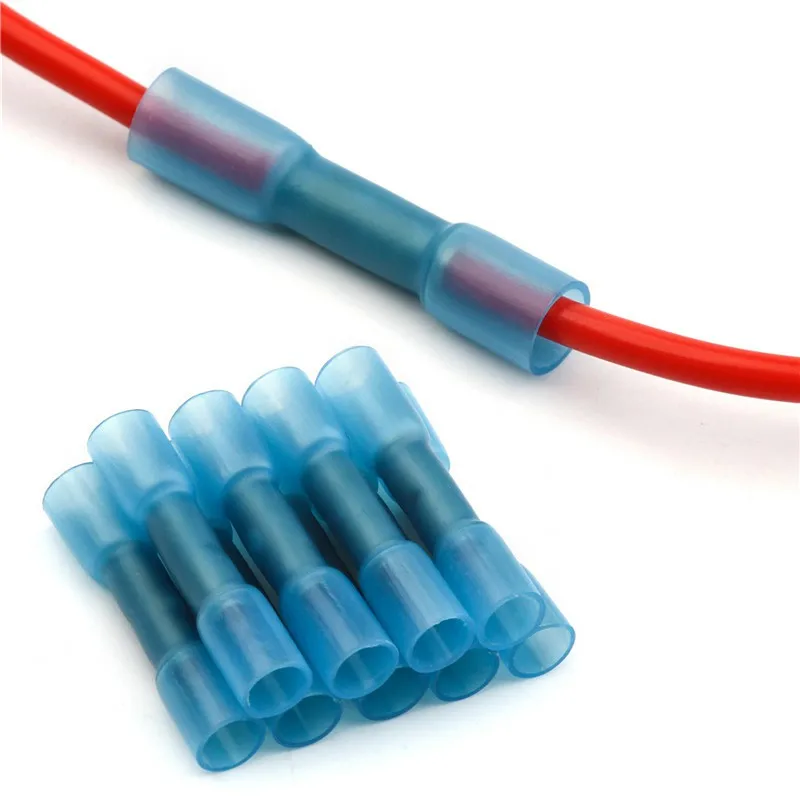
Heat Shrink Insulated Butt Connectors are essential safety-critical components designed for creating robust, waterproof electrical connections in demanding environments. These terminals represent a significant upgrade over traditional unsealed crimp connectors, offering enhanced protection and reliability for various wiring applications. The visible construction immediately suggests a focus on long-term performance. They are a professional-grade solution.
The primary visual characteristic of these connectors is their dual-wall polyolefin tubing. This translucent material encases a metal crimp barrel, providing both insulation and a clear view of the internal connection. The outer layer is designed to shrink under heat, while an inner layer of hot-melt adhesive melts and flows. This creates a formidable barrier.
In practical application, this dual-layer design ensures superior environmental resilience. When heat is applied, the outer tubing contracts tightly around the wire insulation, forming a secure mechanical grip. Simultaneously, the internal adhesive melts and fills any voids, effectively sealing the connection against moisture, dust, and corrosive agents. This process is critical for preventing short circuits and maintaining conductivity in harsh conditions. Imagine a boat's bilge wiring.
Unlike standard uninsulated crimp connectors, which offer only a mechanical connection and minimal environmental protection, these heat shrink variants provide a comprehensive seal. A typical crimp connector, even with electrical tape, remains vulnerable to water ingress and vibration-induced fatigue. This product mitigates those risks. The adhesive bond also adds strain relief.
The product offers a range of connectors color-coded for specific wire gauges: red for 22-18 AWG, blue for 16-14 AWG, and yellow for 12-10 AWG. This color-coding is a standard industry practice. It simplifies identification. Each connector is engineered with a tin-plated copper barrel.
This broad compatibility ensures that electricians and DIY enthusiasts can select the appropriate connector for a wide array of low-voltage electrical systems. Proper wire gauge selection is paramount for safety and performance. Using an undersized connector can lead to inadequate crimping and increased resistance, resulting in heat buildup and potential fire hazards. Conversely, an oversized connector may not provide a secure mechanical connection. These connectors facilitate correct matching.
Compared to generic, unrated terminals, these color-coded options provide immediate visual confirmation of suitability. Standard terminals often lack clear gauge markings, forcing users to rely on guesswork or external measurement. This product streamlines the selection process. It reduces the margin for error. The tin-plated copper ensures optimal current flow.
The installation process for these connectors involves three key steps: stripping the wire, crimping the connection, and applying heat. Wires must be stripped to the correct length. The stripped wire is inserted into the metal barrel. A proper crimping tool is then used to deform the barrel around the conductors.
This methodology results in a highly reliable electrical and mechanical bond. The crimping action creates a cold weld between the wire strands and the terminal barrel, ensuring excellent conductivity. The subsequent application of heat not only insulates but also seals the connection, preventing wire pull-out and environmental degradation. Visual inspection through the translucent tubing confirms proper wire insertion and crimp integrity. This is a significant advantage.
Traditional soldering, while effective, requires specific skills, specialized equipment, and can be time-consuming. It also introduces potential points of failure if not executed perfectly. These heat shrink connectors offer a faster, more consistent, and less skill-dependent alternative for many applications. They simplify complex wiring tasks. The reliability is high.
The choice of materials for these connectors directly impacts their longevity and performance. The polyolefin tubing is a robust polymer known for its excellent electrical insulation properties and resistance to abrasion, Chemicals, and UV radiation. The internal barrel, made of tin-plated copper, offers superior conductivity and corrosion resistance. Copper is an excellent conductor.
These material selections ensure that connections remain stable and functional over extended periods, even when exposed to challenging environmental factors. For instance, in an outdoor lighting installation, the polyolefin tubing resists degradation from sunlight and temperature fluctuations. The tin plating on the copper barrel prevents oxidation, which can lead to increased resistance and connection failure over time. This extends the service life of the electrical system.
Many cheaper, non-heat shrink connectors utilize PVC insulation, which can become brittle and crack in extreme temperatures or prolonged UV exposure. They also often feature unplated brass or aluminum terminals, which are more susceptible to corrosion and can lead to intermittent connections. This product's material composition offers a clear advantage in durability. It provides peace of mind.
The inherent design of these heat shrink butt connectors contributes significantly to electrical safety. By providing a fully insulated and sealed connection, they minimize the risk of accidental contact with live conductors, short circuits, and ground faults. This is crucial for preventing electrical fires.
Properly installed, these connectors help maintain the integrity of an electrical system, reducing the likelihood of faults that could trip circuit breakers or, worse, cause equipment damage or personal injury. In applications like marine wiring, where stray currents can cause galvanic corrosion, the sealed connection is vital. It protects both the wiring and surrounding metal components. Adherence to best practices is key.
Compared to simply twisting wires together and taping them, which is a common but unsafe practice, these connectors offer a professional and compliant solution. Uninsulated connections are a major safety hazard. They fail to meet any recognized electrical safety standards. These connectors provide a secure, insulated, and sealed splice. This ensures compliance with industry best practices for reliable electrical work.
Available in various pack sizes (10, 20, 30, 50 pieces), these connectors offer flexibility for both small repair jobs and larger projects. The pricing context suggests an accessible cost per unit. This makes them an economically sound choice for ensuring high-quality connections.
From an economic perspective, investing in these connectors translates into long-term savings by reducing the need for frequent repairs or troubleshooting due to faulty connections. The enhanced durability and reliability mean less downtime and fewer material replacements. For a professional electrician, this efficiency is invaluable. It saves labor costs.
Considering the alternatives, such as using multiple layers of electrical tape or less robust crimp terminals, the value proposition of these heat shrink connectors becomes clear. While the initial cost might be slightly higher than basic connectors, the superior performance, safety, and longevity they provide far outweigh this difference. They elevate the standard of work. The professional finish is noticeable.
Imagine completing an automotive wiring project, confident that every splice is not only electrically sound but also impervious to road salt, engine heat, and moisture. Picture a marine installation where critical navigation lights remain operational through rough seas, thanks to connections that resist corrosion and vibration. These heat shrink butt connectors provide that level of assurance. They deliver peace of mind. This product ensures that electrical systems perform reliably and safely, protecting both equipment and occupants. It is an investment in enduring quality.
Connection Integrity and Environmental Resilience
The primary visual characteristic of these connectors is their dual-wall polyolefin tubing. This translucent material encases a metal crimp barrel, providing both insulation and a clear view of the internal connection. The outer layer is designed to shrink under heat, while an inner layer of hot-melt adhesive melts and flows. This creates a formidable barrier.
In practical application, this dual-layer design ensures superior environmental resilience. When heat is applied, the outer tubing contracts tightly around the wire insulation, forming a secure mechanical grip. Simultaneously, the internal adhesive melts and fills any voids, effectively sealing the connection against moisture, dust, and corrosive agents. This process is critical for preventing short circuits and maintaining conductivity in harsh conditions. Imagine a boat's bilge wiring.
Unlike standard uninsulated crimp connectors, which offer only a mechanical connection and minimal environmental protection, these heat shrink variants provide a comprehensive seal. A typical crimp connector, even with electrical tape, remains vulnerable to water ingress and vibration-induced fatigue. This product mitigates those risks. The adhesive bond also adds strain relief.
Conductor Compatibility and Current Handling
The product offers a range of connectors color-coded for specific wire gauges: red for 22-18 AWG, blue for 16-14 AWG, and yellow for 12-10 AWG. This color-coding is a standard industry practice. It simplifies identification. Each connector is engineered with a tin-plated copper barrel.
This broad compatibility ensures that electricians and DIY enthusiasts can select the appropriate connector for a wide array of low-voltage electrical systems. Proper wire gauge selection is paramount for safety and performance. Using an undersized connector can lead to inadequate crimping and increased resistance, resulting in heat buildup and potential fire hazards. Conversely, an oversized connector may not provide a secure mechanical connection. These connectors facilitate correct matching.
Compared to generic, unrated terminals, these color-coded options provide immediate visual confirmation of suitability. Standard terminals often lack clear gauge markings, forcing users to rely on guesswork or external measurement. This product streamlines the selection process. It reduces the margin for error. The tin-plated copper ensures optimal current flow.
Installation Methodology and Reliability
The installation process for these connectors involves three key steps: stripping the wire, crimping the connection, and applying heat. Wires must be stripped to the correct length. The stripped wire is inserted into the metal barrel. A proper crimping tool is then used to deform the barrel around the conductors.
This methodology results in a highly reliable electrical and mechanical bond. The crimping action creates a cold weld between the wire strands and the terminal barrel, ensuring excellent conductivity. The subsequent application of heat not only insulates but also seals the connection, preventing wire pull-out and environmental degradation. Visual inspection through the translucent tubing confirms proper wire insertion and crimp integrity. This is a significant advantage.
Traditional soldering, while effective, requires specific skills, specialized equipment, and can be time-consuming. It also introduces potential points of failure if not executed perfectly. These heat shrink connectors offer a faster, more consistent, and less skill-dependent alternative for many applications. They simplify complex wiring tasks. The reliability is high.
Material Science and Longevity
The choice of materials for these connectors directly impacts their longevity and performance. The polyolefin tubing is a robust polymer known for its excellent electrical insulation properties and resistance to abrasion, Chemicals, and UV radiation. The internal barrel, made of tin-plated copper, offers superior conductivity and corrosion resistance. Copper is an excellent conductor.
These material selections ensure that connections remain stable and functional over extended periods, even when exposed to challenging environmental factors. For instance, in an outdoor lighting installation, the polyolefin tubing resists degradation from sunlight and temperature fluctuations. The tin plating on the copper barrel prevents oxidation, which can lead to increased resistance and connection failure over time. This extends the service life of the electrical system.
Many cheaper, non-heat shrink connectors utilize PVC insulation, which can become brittle and crack in extreme temperatures or prolonged UV exposure. They also often feature unplated brass or aluminum terminals, which are more susceptible to corrosion and can lead to intermittent connections. This product's material composition offers a clear advantage in durability. It provides peace of mind.
Safety Compliance and Application Versatility
The inherent design of these heat shrink butt connectors contributes significantly to electrical safety. By providing a fully insulated and sealed connection, they minimize the risk of accidental contact with live conductors, short circuits, and ground faults. This is crucial for preventing electrical fires.
Properly installed, these connectors help maintain the integrity of an electrical system, reducing the likelihood of faults that could trip circuit breakers or, worse, cause equipment damage or personal injury. In applications like marine wiring, where stray currents can cause galvanic corrosion, the sealed connection is vital. It protects both the wiring and surrounding metal components. Adherence to best practices is key.
Compared to simply twisting wires together and taping them, which is a common but unsafe practice, these connectors offer a professional and compliant solution. Uninsulated connections are a major safety hazard. They fail to meet any recognized electrical safety standards. These connectors provide a secure, insulated, and sealed splice. This ensures compliance with industry best practices for reliable electrical work.
Economic Value and Professional Standard
Available in various pack sizes (10, 20, 30, 50 pieces), these connectors offer flexibility for both small repair jobs and larger projects. The pricing context suggests an accessible cost per unit. This makes them an economically sound choice for ensuring high-quality connections.
From an economic perspective, investing in these connectors translates into long-term savings by reducing the need for frequent repairs or troubleshooting due to faulty connections. The enhanced durability and reliability mean less downtime and fewer material replacements. For a professional electrician, this efficiency is invaluable. It saves labor costs.
Considering the alternatives, such as using multiple layers of electrical tape or less robust crimp terminals, the value proposition of these heat shrink connectors becomes clear. While the initial cost might be slightly higher than basic connectors, the superior performance, safety, and longevity they provide far outweigh this difference. They elevate the standard of work. The professional finish is noticeable.
Imagine completing an automotive wiring project, confident that every splice is not only electrically sound but also impervious to road salt, engine heat, and moisture. Picture a marine installation where critical navigation lights remain operational through rough seas, thanks to connections that resist corrosion and vibration. These heat shrink butt connectors provide that level of assurance. They deliver peace of mind. This product ensures that electrical systems perform reliably and safely, protecting both equipment and occupants. It is an investment in enduring quality.