GEYA GYL9 Type A RCCB Earth Leakage Circuit Breaker
Official Store Deal
Expert Analysis Overview
The GEYA GYL9 Type A RCCB is an essential safety device for modern electrical installations, particularly those integrating renewable energy sources, offering advanced protection against hazardous earth leakage currents. This specialized Residual Current Circuit Breaker (RCCB) distinguishes itself by detecting both sinusoidal alternating currents (AC) and pulsating direct currents (DC) earth faults. This capability is paramount for systems incorporating equipment like solar inverters, which can produce complex fault current waveforms. Standard Type AC RCCBs often fail to detect these pulsating DC components, leaving critical gaps in safety protocols. The GYL9 ensures a more comprehensive safety net for personnel and equipment.
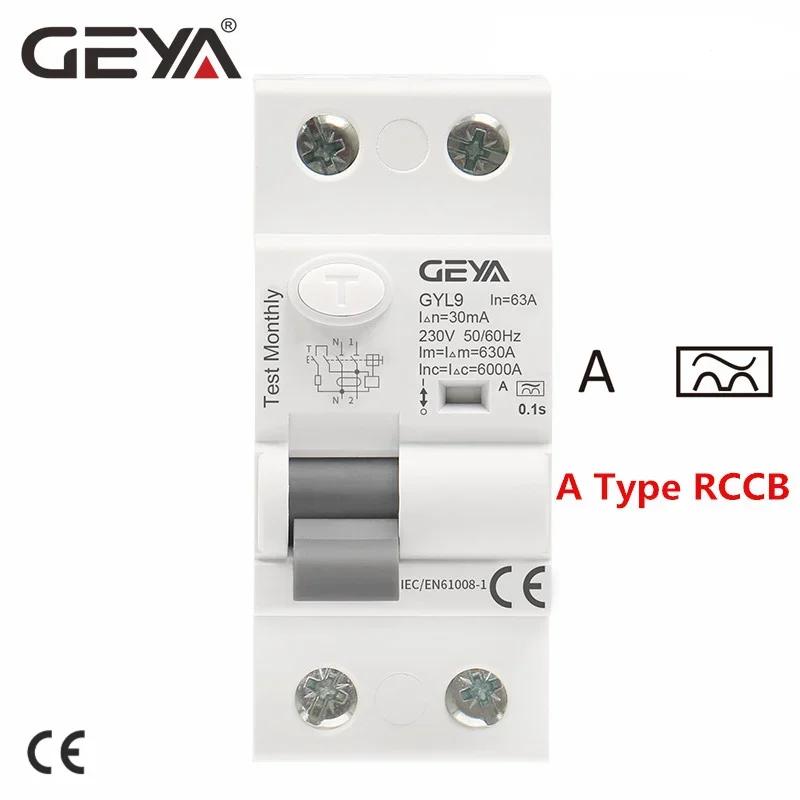
The GYL9 Type A RCCB visibly features a robust, white plastic housing with clear markings for its operational parameters. It is a 2-pole device, designed for single-phase circuits, and offers selectable rated currents of 40A or 63A, alongside various residual operating sensitivities: 30mA, 100mA, or 300mA. A prominent "Test Monthly" button is integrated for routine verification of its functionality. This device meets the EN/IEC 61008-1 standard, indicating adherence to international safety regulations.
This circuit breaker's functionality extends beyond basic overload protection, specifically targeting earth leakage faults. Such faults occur when current deviates from its intended path, often through a person or unintended ground connection, posing a severe risk of electric shock or fire. The GYL9 swiftly detects these imbalances and disconnects the circuit. Its rapid response is crucial.
Unlike older Type AC RCCBs, which only respond to pure sinusoidal AC leakage currents, the Type A variant offers superior detection. Many modern electronic devices, including variable speed drives, power supplies, and especially solar PV inverters, can generate pulsating DC fault currents. A Type AC device would simply not see these dangerous conditions. The GYL9 acts as a vital upgrade, ensuring that even these complex fault types are identified and mitigated, preventing potential catastrophes.
Solar photovoltaic (PV) systems, particularly those with grid-tied or hybrid inverters, are increasingly common in residential and commercial settings. These inverters often convert DC power from solar panels into AC power for household use or grid injection. During certain fault conditions, these inverters can produce pulsating DC leakage currents. A standard RCCB would be blind to this.
Implementing the GEYA GYL9 Type A RCCB directly addresses this specific vulnerability. Its design allows it to accurately detect these pulsating DC fault currents, which are a common characteristic of modern power electronics. This ensures that the entire solar energy system, from the inverter output to the household loads, remains protected. System integrity is maintained.
Consider a scenario where a fault develops within a solar inverter or an appliance connected downstream. If only a Type AC RCCB were installed, a pulsating DC leakage current might go undetected, leaving the system energized and dangerous. The GYL9 provides the necessary sensitivity to trip the circuit in such situations. This advanced capability makes it an indispensable component for any safe and compliant solar installation, offering peace of mind to system owners.
The GYL9 offers flexibility with rated currents of either 40A or 63A, accommodating various load requirements for single-phase installations. Its residual operating current sensitivities are available at 30mA, 100mA, and 300mA. These options allow for precise tailoring of protection based on the application and local regulations. Choosing the right sensitivity is critical.
A 30mA sensitivity is typically mandated for circuits supplying sockets that might be used by individuals, offering direct protection against electric shock. This low threshold ensures that even small leakage currents, potentially flowing through a person, are detected before they can cause serious harm. For general household circuits, 30mA is the go-to choice.
Higher sensitivities, such as 100mA or 300mA, are often used for fire protection or to protect large areas where direct human contact with faulty equipment is less likely but fire risk from persistent leakage current remains. For instance, a 100mA or 300mA RCCB might be used as a main incoming device to protect an entire distribution board, signaling a larger fault without nuisance tripping individual sensitive circuits. This tiered approach enhances overall electrical safety.
The physical design of the GEYA GYL9 RCCB emphasizes ease of installation and long-term reliability. Its compact form factor is designed for standard DIN rail mounting, a common feature in modern electrical distribution boards. This allows for quick and secure integration into existing or new electrical panels. Installation is straightforward.
The visible materials imply a robust construction, featuring a durable plastic casing that protects the internal mechanisms from environmental factors and minor impacts. The terminal connections, visible from the top and bottom, appear sturdy and designed for secure wiring, minimizing the risk of loose connections and associated electrical hazards. Proper torque is essential.
Compared to some less reputable alternatives that might use flimsy plastics or inferior terminal designs, the GYL9's construction suggests a commitment to durability. This translates into a longer operational lifespan and reduced maintenance requirements. A reliable physical build underpins consistent electrical protection, preventing premature failure and ensuring continuous safety for the connected circuits.
A clearly marked "Test Monthly" button is a standard yet critical feature on the GEYA GYL9 RCCB. This button simulates an earth leakage fault, allowing the user to manually verify that the device is functioning correctly and will trip when required. Regular testing is not merely a recommendation; it is a fundamental aspect of maintaining electrical safety. A simple press confirms readiness.
This proactive testing ensures the internal tripping mechanism remains operational and responsive. Over time, dust, moisture, or other environmental factors can potentially affect the sensitivity or mechanical integrity of any electrical device. The monthly test provides assurance that the RCCB will perform its life-saving function when a real fault occurs. It is a quick check.
Neglecting this routine test can compromise the effectiveness of the RCCB, leaving circuits unprotected. Unlike circuit breakers that primarily protect against overcurrents, an RCCB's unique role in detecting leakage currents makes its consistent operation paramount for preventing electric shock. The integrated test button empowers users to take an active role in their electrical safety, a feature often overlooked but vital for long-term reliability.
At approximately 20.25 USD, the GEYA GYL9 Type A RCCB represents a significant investment in electrical safety, especially for those building or upgrading solar energy systems. This price point positions it as an accessible yet high-performance component within the market. The cost-benefit analysis heavily favors its inclusion. Safety cannot be compromised.
The long-term value of preventing electrical fires, equipment damage, and, most importantly, serious injury or fatality, far outweighs the initial purchase price. A single electrical incident can lead to repair costs that dwarf the expense of proper protective devices. This RCCB acts as an insurance policy for your electrical infrastructure and personal well-being. It is a wise expenditure.
Consider the potential cost of replacing a damaged solar inverter due to an undetected fault, or the devastating impact of an electrical fire. The GYL9 mitigates these risks by providing reliable, advanced protection. Its durability and compliance with international standards further enhance its long-term value, ensuring it remains an effective part of the electrical system for years to come. This device offers substantial return on investment through enhanced safety and reduced risk.
The GEYA GYL9 is rated for 230V AC operation at 50/60Hz, making it compatible with standard residential and light commercial electrical grids in most regions. This voltage and frequency range ensures seamless integration into existing AC distribution systems. Compatibility is key for any upgrade.
Proper integration of this RCCB helps maintain the overall efficiency of an electrical system by preventing undetected leakage currents. While leakage currents themselves represent a form of energy loss, their primary danger lies in the hazards they create. By promptly disconnecting faulty circuits, the GYL9 prevents prolonged leakage, which could otherwise lead to minor but persistent energy waste. It protects against inefficient operation.
Furthermore, by ensuring the integrity of the AC side of a solar installation, the RCCB indirectly supports the optimal performance of the entire system. Faults on the AC side can stress inverters or other components, potentially leading to reduced output or premature failure. This protective measure safeguards the investment in solar technology, ensuring consistent energy generation and delivery without unnecessary interruptions or safety concerns. The system runs smoother.
The 'A Type' designation is a critical differentiator for the GEYA GYL9. It signifies a superior level of protection compared to the more common 'AC Type' RCCBs. This distinction is particularly relevant in today's electrical landscape, where electronic devices are ubiquitous. Modern electronics demand modern protection.
Its ability to detect both pure sinusoidal AC earth fault currents and pulsating DC earth fault currents is a direct response to the proliferation of rectifiers and other power electronics. These components are found in everything from LED lighting drivers to computer power supplies and, crucially, solar inverters. The GYL9 reliably detects faults that these devices might generate. It offers comprehensive coverage.
This advanced detection capability positions the GYL9 as an essential upgrade for any electrical system that includes modern appliances or renewable energy sources. It moves beyond the limitations of basic protection, offering a more robust and future-proof safety solution. For those committed to building a truly safe and efficient electrical infrastructure, the Type A RCCB is not merely an option, but a necessity. It represents a significant leap in electrical safety standards.
Imagine a home powered by solar, where every circuit is meticulously protected against unforeseen electrical anomalies. The GEYA GYL9 Type A RCCB integrates seamlessly into this vision, standing guard against hazardous earth leakage currents, including those elusive pulsating DC faults from your inverter. This device provides the confidence to expand your renewable energy setup, knowing that your family and investments are shielded by advanced safety technology. It ensures uninterrupted, secure power delivery, allowing you to focus on the benefits of sustainable living without electrical worries. This is true peace of mind.
Core Functionality: Safeguarding Your Circuits
The GYL9 Type A RCCB visibly features a robust, white plastic housing with clear markings for its operational parameters. It is a 2-pole device, designed for single-phase circuits, and offers selectable rated currents of 40A or 63A, alongside various residual operating sensitivities: 30mA, 100mA, or 300mA. A prominent "Test Monthly" button is integrated for routine verification of its functionality. This device meets the EN/IEC 61008-1 standard, indicating adherence to international safety regulations.
This circuit breaker's functionality extends beyond basic overload protection, specifically targeting earth leakage faults. Such faults occur when current deviates from its intended path, often through a person or unintended ground connection, posing a severe risk of electric shock or fire. The GYL9 swiftly detects these imbalances and disconnects the circuit. Its rapid response is crucial.
Unlike older Type AC RCCBs, which only respond to pure sinusoidal AC leakage currents, the Type A variant offers superior detection. Many modern electronic devices, including variable speed drives, power supplies, and especially solar PV inverters, can generate pulsating DC fault currents. A Type AC device would simply not see these dangerous conditions. The GYL9 acts as a vital upgrade, ensuring that even these complex fault types are identified and mitigated, preventing potential catastrophes.
Integration with Renewable Energy Systems
Solar photovoltaic (PV) systems, particularly those with grid-tied or hybrid inverters, are increasingly common in residential and commercial settings. These inverters often convert DC power from solar panels into AC power for household use or grid injection. During certain fault conditions, these inverters can produce pulsating DC leakage currents. A standard RCCB would be blind to this.
Implementing the GEYA GYL9 Type A RCCB directly addresses this specific vulnerability. Its design allows it to accurately detect these pulsating DC fault currents, which are a common characteristic of modern power electronics. This ensures that the entire solar energy system, from the inverter output to the household loads, remains protected. System integrity is maintained.
Consider a scenario where a fault develops within a solar inverter or an appliance connected downstream. If only a Type AC RCCB were installed, a pulsating DC leakage current might go undetected, leaving the system energized and dangerous. The GYL9 provides the necessary sensitivity to trip the circuit in such situations. This advanced capability makes it an indispensable component for any safe and compliant solar installation, offering peace of mind to system owners.
Current Ratings and Sensitivity: Tailoring Protection
The GYL9 offers flexibility with rated currents of either 40A or 63A, accommodating various load requirements for single-phase installations. Its residual operating current sensitivities are available at 30mA, 100mA, and 300mA. These options allow for precise tailoring of protection based on the application and local regulations. Choosing the right sensitivity is critical.
A 30mA sensitivity is typically mandated for circuits supplying sockets that might be used by individuals, offering direct protection against electric shock. This low threshold ensures that even small leakage currents, potentially flowing through a person, are detected before they can cause serious harm. For general household circuits, 30mA is the go-to choice.
Higher sensitivities, such as 100mA or 300mA, are often used for fire protection or to protect large areas where direct human contact with faulty equipment is less likely but fire risk from persistent leakage current remains. For instance, a 100mA or 300mA RCCB might be used as a main incoming device to protect an entire distribution board, signaling a larger fault without nuisance tripping individual sensitive circuits. This tiered approach enhances overall electrical safety.
Installation and Durability: A Secure Foundation
The physical design of the GEYA GYL9 RCCB emphasizes ease of installation and long-term reliability. Its compact form factor is designed for standard DIN rail mounting, a common feature in modern electrical distribution boards. This allows for quick and secure integration into existing or new electrical panels. Installation is straightforward.
The visible materials imply a robust construction, featuring a durable plastic casing that protects the internal mechanisms from environmental factors and minor impacts. The terminal connections, visible from the top and bottom, appear sturdy and designed for secure wiring, minimizing the risk of loose connections and associated electrical hazards. Proper torque is essential.
Compared to some less reputable alternatives that might use flimsy plastics or inferior terminal designs, the GYL9's construction suggests a commitment to durability. This translates into a longer operational lifespan and reduced maintenance requirements. A reliable physical build underpins consistent electrical protection, preventing premature failure and ensuring continuous safety for the connected circuits.
The "Test Monthly" Feature: Proactive Safety
A clearly marked "Test Monthly" button is a standard yet critical feature on the GEYA GYL9 RCCB. This button simulates an earth leakage fault, allowing the user to manually verify that the device is functioning correctly and will trip when required. Regular testing is not merely a recommendation; it is a fundamental aspect of maintaining electrical safety. A simple press confirms readiness.
This proactive testing ensures the internal tripping mechanism remains operational and responsive. Over time, dust, moisture, or other environmental factors can potentially affect the sensitivity or mechanical integrity of any electrical device. The monthly test provides assurance that the RCCB will perform its life-saving function when a real fault occurs. It is a quick check.
Neglecting this routine test can compromise the effectiveness of the RCCB, leaving circuits unprotected. Unlike circuit breakers that primarily protect against overcurrents, an RCCB's unique role in detecting leakage currents makes its consistent operation paramount for preventing electric shock. The integrated test button empowers users to take an active role in their electrical safety, a feature often overlooked but vital for long-term reliability.
Value Proposition for the Solar Enthusiast
At approximately 20.25 USD, the GEYA GYL9 Type A RCCB represents a significant investment in electrical safety, especially for those building or upgrading solar energy systems. This price point positions it as an accessible yet high-performance component within the market. The cost-benefit analysis heavily favors its inclusion. Safety cannot be compromised.
The long-term value of preventing electrical fires, equipment damage, and, most importantly, serious injury or fatality, far outweighs the initial purchase price. A single electrical incident can lead to repair costs that dwarf the expense of proper protective devices. This RCCB acts as an insurance policy for your electrical infrastructure and personal well-being. It is a wise expenditure.
Consider the potential cost of replacing a damaged solar inverter due to an undetected fault, or the devastating impact of an electrical fire. The GYL9 mitigates these risks by providing reliable, advanced protection. Its durability and compliance with international standards further enhance its long-term value, ensuring it remains an effective part of the electrical system for years to come. This device offers substantial return on investment through enhanced safety and reduced risk.
Ensuring Compatibility and Efficiency
The GEYA GYL9 is rated for 230V AC operation at 50/60Hz, making it compatible with standard residential and light commercial electrical grids in most regions. This voltage and frequency range ensures seamless integration into existing AC distribution systems. Compatibility is key for any upgrade.
Proper integration of this RCCB helps maintain the overall efficiency of an electrical system by preventing undetected leakage currents. While leakage currents themselves represent a form of energy loss, their primary danger lies in the hazards they create. By promptly disconnecting faulty circuits, the GYL9 prevents prolonged leakage, which could otherwise lead to minor but persistent energy waste. It protects against inefficient operation.
Furthermore, by ensuring the integrity of the AC side of a solar installation, the RCCB indirectly supports the optimal performance of the entire system. Faults on the AC side can stress inverters or other components, potentially leading to reduced output or premature failure. This protective measure safeguards the investment in solar technology, ensuring consistent energy generation and delivery without unnecessary interruptions or safety concerns. The system runs smoother.
Beyond Basic Protection: The A Type Advantage
The 'A Type' designation is a critical differentiator for the GEYA GYL9. It signifies a superior level of protection compared to the more common 'AC Type' RCCBs. This distinction is particularly relevant in today's electrical landscape, where electronic devices are ubiquitous. Modern electronics demand modern protection.
Its ability to detect both pure sinusoidal AC earth fault currents and pulsating DC earth fault currents is a direct response to the proliferation of rectifiers and other power electronics. These components are found in everything from LED lighting drivers to computer power supplies and, crucially, solar inverters. The GYL9 reliably detects faults that these devices might generate. It offers comprehensive coverage.
This advanced detection capability positions the GYL9 as an essential upgrade for any electrical system that includes modern appliances or renewable energy sources. It moves beyond the limitations of basic protection, offering a more robust and future-proof safety solution. For those committed to building a truly safe and efficient electrical infrastructure, the Type A RCCB is not merely an option, but a necessity. It represents a significant leap in electrical safety standards.
Imagine a home powered by solar, where every circuit is meticulously protected against unforeseen electrical anomalies. The GEYA GYL9 Type A RCCB integrates seamlessly into this vision, standing guard against hazardous earth leakage currents, including those elusive pulsating DC faults from your inverter. This device provides the confidence to expand your renewable energy setup, knowing that your family and investments are shielded by advanced safety technology. It ensures uninterrupted, secure power delivery, allowing you to focus on the benefits of sustainable living without electrical worries. This is true peace of mind.