Flexible Silicone Tinned Copper Wire
Official Store Deal
Expert Analysis Overview
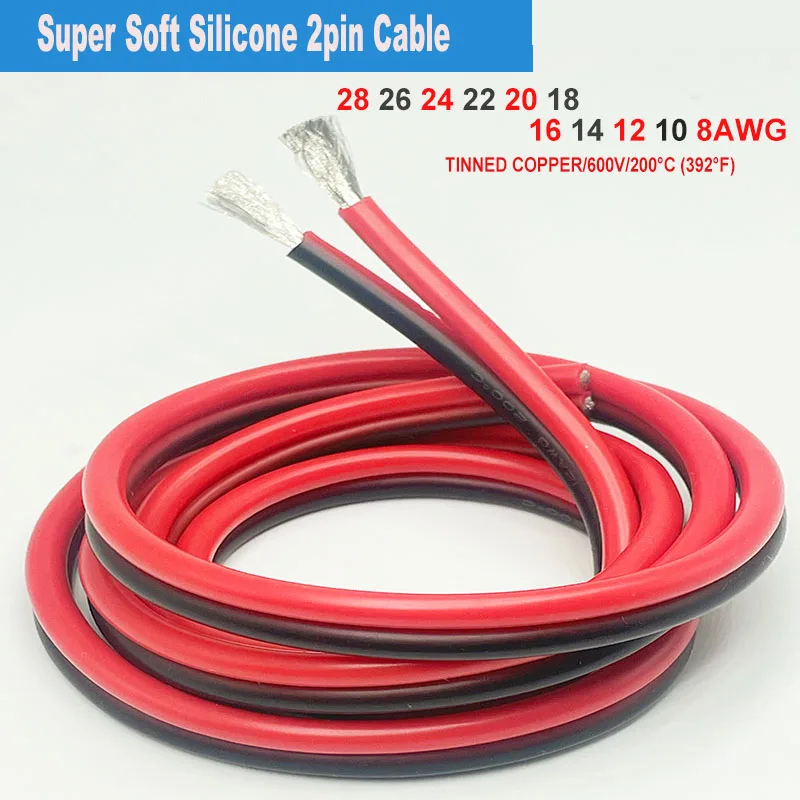
The Flexible Silicone Tinned Copper Wire is a high-performance electrical conductor designed for demanding applications requiring superior flexibility and extreme temperature resilience. This product caters to hobbyists and professionals building robust, reliable electrical systems, especially in environments where standard PVC insulation falls short. Its construction prioritizes both electrical efficiency and mechanical durability, making it an excellent choice for solar energy projects, RC vehicles, drones, and various industrial or automotive wiring needs.
This wiring features a tinned copper core, composed of numerous 0.08mm fine copper strands. The tinning process applies a thin layer of tin over the copper, providing enhanced corrosion resistance and improved solderability. This small strand diameter contributes significantly to the wire's overall flexibility.
In practical solar energy applications, especially for DC circuits, minimizing resistance and ensuring long-term conductivity is paramount. Tinned copper helps prevent oxidation, a common issue with bare copper in humid or outdoor conditions, which can lead to increased resistance and power loss over time. This extends the lifespan of connections in solar panel arrays or battery banks.
Unlike traditional solid or larger-stranded copper wires, the fine 0.08mm strands offer superior flexibility, crucial for routing in confined spaces or for applications involving movement. Standard electrical wires often become brittle or difficult to manipulate after repeated bending. This wire remains pliable.
An extensive range of AWG (American Wire Gauge) sizes is available, spanning from 8 AWG down to 28 AWG. This broad selection ensures that users can find the appropriate gauge for virtually any current requirement, from high-power battery connections to delicate signal wiring.
For solar energy systems, selecting the correct wire gauge is critical for minimizing voltage drop and maximizing energy transfer efficiency. A larger gauge (smaller AWG number) like 8 AWG is ideal for connecting solar panels to charge controllers or inverters over shorter distances, handling higher currents with minimal loss. Smaller gauges, such as 22 AWG or 24 AWG, are suitable for low-current sensor wiring or auxiliary circuits within a solar setup.
Many generic wires offer a limited range of gauges, forcing compromises. This product's comprehensive selection allows for precise matching of wire size to application, optimizing performance and safety across diverse electrical loads. It's a significant advantage for custom solar builds.
The wire is insulated with a super soft silicone material, specifically chosen for its exceptional thermal properties and flexibility. This silicone insulation is designed to be "fearless of temperature difference," maintaining its integrity across a vast thermal range.
This material provides high temperature resistance up to 200°C (392°F) and remains resistant to low temperatures down to -60°C (-76°F). Such a wide operating temperature window is vital for outdoor solar installations, where ambient temperatures can fluctuate dramatically from scorching summers to freezing winters. The insulation will not crack or degrade under these extremes.
Compared to common PVC insulation, silicone offers far superior thermal stability. PVC can become brittle in cold weather, leading to insulation cracks and potential short circuits, or soften and melt at much lower temperatures, posing fire risks. This wire mitigates those risks effectively.
Beyond its thermal capabilities, the wire boasts high conductivity and oxidation resistance. The tinned copper core, combined with the silicone insulation, contributes to a stable and efficient electrical pathway.
High conductivity ensures that electrical power is transmitted with minimal energy loss, which is a critical factor in solar power systems where every watt generated is valuable. Reduced resistance translates directly into more power delivered to the load or battery bank.
Oxidation resistance, provided by the tinning, safeguards the conductor against environmental degradation. This is particularly important for connections that might be exposed to moisture or corrosive elements, ensuring consistent performance over many years without the need for frequent maintenance or re-termination. The wire maintains its electrical properties.
The specified 600V voltage rating indicates suitability for a wide array of DC applications, including most residential and small-scale commercial solar installations. This rating provides a substantial safety margin for typical 12V, 24V, or 48V DC solar systems.
The "super soft" nature and extremely flexibility of this silicone wire make installation significantly easier, particularly in complex wiring harnesses or tight enclosures. It bends and routes smoothly without kinking or stressing the conductor strands.
This flexibility is a major advantage for intricate DIY solar projects, custom battery boxes, or wiring inside RVs and marine vessels where space is often at a premium. The wire conforms to shapes, reducing strain on connections and terminals.
Durability is also enhanced by the silicone's resistance to abrasion and common Chemicals, which is often superior to that of PVC. This means the wire can withstand more physical stress during installation and operation, leading to a longer service life in challenging environments. It's a robust solution.
From a solar energy hobbyist's perspective, this wire is an excellent candidate for building and expanding self-sustaining energy systems. Its combination of flexibility, temperature resistance, and high conductivity directly addresses common challenges faced in off-grid and grid-tied solar setups.
Calculating efficiency losses in a solar system often comes down to the quality of the wiring. The tinned copper and appropriate gauge selection offered by this product help minimize resistive losses, ensuring that the maximum possible power generated by solar panels reaches the batteries or inverter. This directly impacts system performance.
Compatibility with existing solar setups is high, given the standard AWG sizing and 600V rating. Whether connecting new panels, upgrading battery bank wiring, or integrating additional DC loads, this wire provides a reliable and efficient medium. Its adaptability is a key asset.
Imagine a solar array operating flawlessly through a harsh winter, the wiring remaining supple and conductive despite sub-zero temperatures. Picture a custom battery enclosure where every wire is neatly routed, free from kinks or strain, ensuring maximum power delivery to your off-grid cabin. This wire makes such reliable and efficient system design a tangible reality, providing peace of mind and consistent energy flow for years to come.
Conductor Core and Gauge Versatility
This wiring features a tinned copper core, composed of numerous 0.08mm fine copper strands. The tinning process applies a thin layer of tin over the copper, providing enhanced corrosion resistance and improved solderability. This small strand diameter contributes significantly to the wire's overall flexibility.
In practical solar energy applications, especially for DC circuits, minimizing resistance and ensuring long-term conductivity is paramount. Tinned copper helps prevent oxidation, a common issue with bare copper in humid or outdoor conditions, which can lead to increased resistance and power loss over time. This extends the lifespan of connections in solar panel arrays or battery banks.
Unlike traditional solid or larger-stranded copper wires, the fine 0.08mm strands offer superior flexibility, crucial for routing in confined spaces or for applications involving movement. Standard electrical wires often become brittle or difficult to manipulate after repeated bending. This wire remains pliable.
An extensive range of AWG (American Wire Gauge) sizes is available, spanning from 8 AWG down to 28 AWG. This broad selection ensures that users can find the appropriate gauge for virtually any current requirement, from high-power battery connections to delicate signal wiring.
For solar energy systems, selecting the correct wire gauge is critical for minimizing voltage drop and maximizing energy transfer efficiency. A larger gauge (smaller AWG number) like 8 AWG is ideal for connecting solar panels to charge controllers or inverters over shorter distances, handling higher currents with minimal loss. Smaller gauges, such as 22 AWG or 24 AWG, are suitable for low-current sensor wiring or auxiliary circuits within a solar setup.
Many generic wires offer a limited range of gauges, forcing compromises. This product's comprehensive selection allows for precise matching of wire size to application, optimizing performance and safety across diverse electrical loads. It's a significant advantage for custom solar builds.
Insulation Resilience: Extreme Temperature Performance
The wire is insulated with a super soft silicone material, specifically chosen for its exceptional thermal properties and flexibility. This silicone insulation is designed to be "fearless of temperature difference," maintaining its integrity across a vast thermal range.
This material provides high temperature resistance up to 200°C (392°F) and remains resistant to low temperatures down to -60°C (-76°F). Such a wide operating temperature window is vital for outdoor solar installations, where ambient temperatures can fluctuate dramatically from scorching summers to freezing winters. The insulation will not crack or degrade under these extremes.
Compared to common PVC insulation, silicone offers far superior thermal stability. PVC can become brittle in cold weather, leading to insulation cracks and potential short circuits, or soften and melt at much lower temperatures, posing fire risks. This wire mitigates those risks effectively.
Electrical Integrity and Efficiency
Beyond its thermal capabilities, the wire boasts high conductivity and oxidation resistance. The tinned copper core, combined with the silicone insulation, contributes to a stable and efficient electrical pathway.
High conductivity ensures that electrical power is transmitted with minimal energy loss, which is a critical factor in solar power systems where every watt generated is valuable. Reduced resistance translates directly into more power delivered to the load or battery bank.
Oxidation resistance, provided by the tinning, safeguards the conductor against environmental degradation. This is particularly important for connections that might be exposed to moisture or corrosive elements, ensuring consistent performance over many years without the need for frequent maintenance or re-termination. The wire maintains its electrical properties.
The specified 600V voltage rating indicates suitability for a wide array of DC applications, including most residential and small-scale commercial solar installations. This rating provides a substantial safety margin for typical 12V, 24V, or 48V DC solar systems.
Installation Flexibility and Durability
The "super soft" nature and extremely flexibility of this silicone wire make installation significantly easier, particularly in complex wiring harnesses or tight enclosures. It bends and routes smoothly without kinking or stressing the conductor strands.
This flexibility is a major advantage for intricate DIY solar projects, custom battery boxes, or wiring inside RVs and marine vessels where space is often at a premium. The wire conforms to shapes, reducing strain on connections and terminals.
Durability is also enhanced by the silicone's resistance to abrasion and common Chemicals, which is often superior to that of PVC. This means the wire can withstand more physical stress during installation and operation, leading to a longer service life in challenging environments. It's a robust solution.
Solar Application Potential
From a solar energy hobbyist's perspective, this wire is an excellent candidate for building and expanding self-sustaining energy systems. Its combination of flexibility, temperature resistance, and high conductivity directly addresses common challenges faced in off-grid and grid-tied solar setups.
Calculating efficiency losses in a solar system often comes down to the quality of the wiring. The tinned copper and appropriate gauge selection offered by this product help minimize resistive losses, ensuring that the maximum possible power generated by solar panels reaches the batteries or inverter. This directly impacts system performance.
Compatibility with existing solar setups is high, given the standard AWG sizing and 600V rating. Whether connecting new panels, upgrading battery bank wiring, or integrating additional DC loads, this wire provides a reliable and efficient medium. Its adaptability is a key asset.
Imagine a solar array operating flawlessly through a harsh winter, the wiring remaining supple and conductive despite sub-zero temperatures. Picture a custom battery enclosure where every wire is neatly routed, free from kinks or strain, ensuring maximum power delivery to your off-grid cabin. This wire makes such reliable and efficient system design a tangible reality, providing peace of mind and consistent energy flow for years to come.