Flexible Flat Cable (FFC/FPC) Assortment Kit
Official Store Deal
Expert Analysis Overview
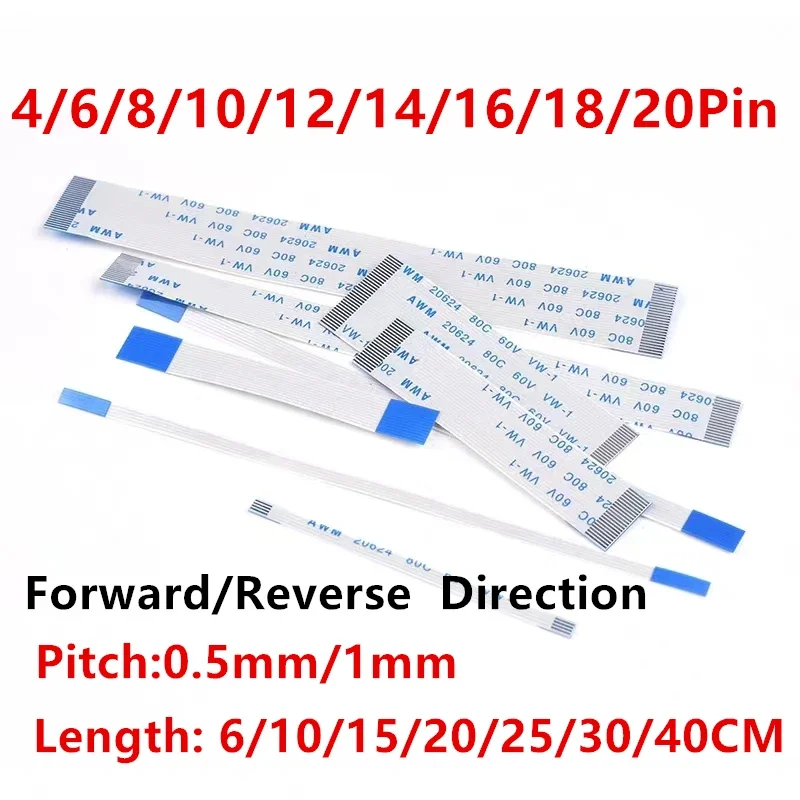
The Flexible Flat Cable (FFC/FPC) Assortment Kit is a critical component for low-voltage electronic interconnections, specifically engineered for compact and dynamic applications. As a Certified Electrician, the immediate focus is on the adherence to established safety and performance standards, which this product addresses through its AWM 20624 80C 60V VW-1 rating. This designation is not merely a label; it signifies a cable designed to meet specific UL (Underwriters Laboratories) requirements for appliance wiring material, ensuring a baseline of operational safety and reliability.
These flexible flat cables are offered in a comprehensive range of pin counts, from 4 to 20 pins, catering to a broad spectrum of digital and analog signal transmission needs. The availability of both 0.5mm and 1.0mm pitch options is crucial for compatibility with various FPC/FFC connectors commonly found in consumer electronics, industrial control panels, and embedded systems. This versatility allows technicians to select the precise cable required for a given interface, minimizing the need for custom solutions or adapters.
Consider a scenario involving a delicate LCD screen replacement in a laptop. The exact pin count and pitch are paramount. Using an incorrect cable could lead to connection failures or even damage to the sensitive components. This kit provides the necessary options.
Unlike generic, unrated cables, the AWM 20624 standard ensures that the conductor material and insulation properties are consistent. This consistency is vital for maintaining signal integrity over the specified lengths and under the rated electrical conditions. The visible construction suggests a uniform trace width, which is indicative of controlled impedance characteristics, important for high-speed data transfer in certain applications.
A significant feature of this assortment is the inclusion of both forward (Type A) and reverse (Type B) direction cables. This refers to the orientation of the electrical contacts on the cable ends. Forward direction cables have contacts on the same side at both ends, while reverse direction cables have contacts on opposite sides. This distinction is often overlooked but is absolutely critical for proper circuit completion.
Incorrect directional selection can prevent a device from functioning entirely, leading to frustrating troubleshooting sessions. Having both types readily available in a kit streamlines repair and prototyping processes. This eliminates the common pain point of ordering the wrong cable type and experiencing project delays.
Many standard FFC offerings often limit choices to a single direction. This comprehensive approach by the manufacturer provides a distinct advantage. It ensures that regardless of the connector configuration on the PCB, a suitable cable is likely to be on hand.
The 80°C temperature rating indicates the maximum continuous operating temperature the cable can safely withstand without degradation of its insulation or conductor properties. For internal wiring within enclosures where heat can build up, this rating is a key safety parameter. Exceeding this temperature can lead to insulation breakdown, short circuits, and potential fire hazards.
Similarly, the 60V voltage rating specifies the maximum voltage difference that can be safely applied across the cable's conductors. While FFCs are typically used in low-voltage logic and signal applications, understanding this limit prevents accidental overvoltage conditions. This ensures the cable remains within its intended operational envelope.
Compared to unrated or lower-spec cables, these specifications provide a clear performance boundary. They offer peace of mind that the cable will perform reliably under its stated conditions, reducing the risk of premature failure. This is a fundamental aspect of electrical safety.
The VW-1 flame retardancy rating is a critical safety feature, especially for cables used within enclosed electronic devices. VW-1 signifies that the cable has passed a vertical wire flame test, meaning it will self-extinguish within a specified time if ignited. This significantly reduces the risk of fire propagation in the event of an electrical fault.
In many electrical installations, flame retardancy is a non-negotiable requirement. This rating confirms the cable's compliance with an important safety standard. It is a vital characteristic for any component integrated into a larger electrical system.
Generic cables often lack such certifications, posing an inherent risk. The VW-1 rating elevates this product above many alternatives. It provides a layer of protection against potential fire hazards.
The cables are available in multiple lengths, ranging from 6cm to 40cm, offering flexibility for various installation distances. This range accommodates everything from very short board-to-board connections to longer runs within a chassis. The flat, flexible design inherently allows for routing in tight spaces where round cables would be impractical or create bulk.
This physical adaptability is a core benefit of FFC technology. It simplifies assembly and reduces mechanical stress on connectors. The blue reinforcement tabs visible on the ends are standard for FFCs, providing a robust area for handling during insertion and removal, minimizing damage to the delicate conductor traces.
Unlike rigid wire harnesses, these flexible cables conform easily to complex geometries. This makes them ideal for applications requiring repeated flexing or movement, such as in robotic arms or hinged devices. The design inherently reduces strain on solder joints.
This 10-piece assortment provides excellent value for professionals and hobbyists who frequently work with FPC/FFC connections. Having a variety of pin counts, pitches, and directions on hand eliminates the downtime associated with ordering specific cables for each project. The cost-per-cable in such a kit is significantly lower than purchasing individual specialized cables.
For a repair technician, time is money. A well-stocked inventory of common components like these FFCs means faster repairs and higher customer satisfaction. This kit serves as a practical investment.
Compared to sourcing individual cables, this kit offers a streamlined procurement process. It ensures that a wide range of common FFC requirements can be met from a single purchase. This approach minimizes logistical overhead.
Imagine completing a complex repair without the frustration of discovering you have the wrong cable direction or pitch. This kit provides the confidence to tackle diverse electronic projects, knowing the necessary interconnections are readily available. The organized selection allows for quick identification and deployment, ensuring projects proceed smoothly and efficiently. This reduces project delays and enhances overall productivity, allowing for more time spent on innovation rather than component sourcing. The reliability of AWM-rated cables means fewer callbacks and greater trust in the integrity of your work. This is a smart investment for any electrical professional or enthusiast.
Precision in Interconnection
These flexible flat cables are offered in a comprehensive range of pin counts, from 4 to 20 pins, catering to a broad spectrum of digital and analog signal transmission needs. The availability of both 0.5mm and 1.0mm pitch options is crucial for compatibility with various FPC/FFC connectors commonly found in consumer electronics, industrial control panels, and embedded systems. This versatility allows technicians to select the precise cable required for a given interface, minimizing the need for custom solutions or adapters.
Consider a scenario involving a delicate LCD screen replacement in a laptop. The exact pin count and pitch are paramount. Using an incorrect cable could lead to connection failures or even damage to the sensitive components. This kit provides the necessary options.
Unlike generic, unrated cables, the AWM 20624 standard ensures that the conductor material and insulation properties are consistent. This consistency is vital for maintaining signal integrity over the specified lengths and under the rated electrical conditions. The visible construction suggests a uniform trace width, which is indicative of controlled impedance characteristics, important for high-speed data transfer in certain applications.
Directional Versatility
A significant feature of this assortment is the inclusion of both forward (Type A) and reverse (Type B) direction cables. This refers to the orientation of the electrical contacts on the cable ends. Forward direction cables have contacts on the same side at both ends, while reverse direction cables have contacts on opposite sides. This distinction is often overlooked but is absolutely critical for proper circuit completion.
Incorrect directional selection can prevent a device from functioning entirely, leading to frustrating troubleshooting sessions. Having both types readily available in a kit streamlines repair and prototyping processes. This eliminates the common pain point of ordering the wrong cable type and experiencing project delays.
Many standard FFC offerings often limit choices to a single direction. This comprehensive approach by the manufacturer provides a distinct advantage. It ensures that regardless of the connector configuration on the PCB, a suitable cable is likely to be on hand.
Electrical Integrity and Thermal Management
The 80°C temperature rating indicates the maximum continuous operating temperature the cable can safely withstand without degradation of its insulation or conductor properties. For internal wiring within enclosures where heat can build up, this rating is a key safety parameter. Exceeding this temperature can lead to insulation breakdown, short circuits, and potential fire hazards.
Similarly, the 60V voltage rating specifies the maximum voltage difference that can be safely applied across the cable's conductors. While FFCs are typically used in low-voltage logic and signal applications, understanding this limit prevents accidental overvoltage conditions. This ensures the cable remains within its intended operational envelope.
Compared to unrated or lower-spec cables, these specifications provide a clear performance boundary. They offer peace of mind that the cable will perform reliably under its stated conditions, reducing the risk of premature failure. This is a fundamental aspect of electrical safety.
Flame Retardancy Assurance
The VW-1 flame retardancy rating is a critical safety feature, especially for cables used within enclosed electronic devices. VW-1 signifies that the cable has passed a vertical wire flame test, meaning it will self-extinguish within a specified time if ignited. This significantly reduces the risk of fire propagation in the event of an electrical fault.
In many electrical installations, flame retardancy is a non-negotiable requirement. This rating confirms the cable's compliance with an important safety standard. It is a vital characteristic for any component integrated into a larger electrical system.
Generic cables often lack such certifications, posing an inherent risk. The VW-1 rating elevates this product above many alternatives. It provides a layer of protection against potential fire hazards.
Physical Durability and Installation Flexibility
The cables are available in multiple lengths, ranging from 6cm to 40cm, offering flexibility for various installation distances. This range accommodates everything from very short board-to-board connections to longer runs within a chassis. The flat, flexible design inherently allows for routing in tight spaces where round cables would be impractical or create bulk.
This physical adaptability is a core benefit of FFC technology. It simplifies assembly and reduces mechanical stress on connectors. The blue reinforcement tabs visible on the ends are standard for FFCs, providing a robust area for handling during insertion and removal, minimizing damage to the delicate conductor traces.
Unlike rigid wire harnesses, these flexible cables conform easily to complex geometries. This makes them ideal for applications requiring repeated flexing or movement, such as in robotic arms or hinged devices. The design inherently reduces strain on solder joints.
Value Proposition for Technicians and Hobbyists
This 10-piece assortment provides excellent value for professionals and hobbyists who frequently work with FPC/FFC connections. Having a variety of pin counts, pitches, and directions on hand eliminates the downtime associated with ordering specific cables for each project. The cost-per-cable in such a kit is significantly lower than purchasing individual specialized cables.
For a repair technician, time is money. A well-stocked inventory of common components like these FFCs means faster repairs and higher customer satisfaction. This kit serves as a practical investment.
Compared to sourcing individual cables, this kit offers a streamlined procurement process. It ensures that a wide range of common FFC requirements can be met from a single purchase. This approach minimizes logistical overhead.
Imagine completing a complex repair without the frustration of discovering you have the wrong cable direction or pitch. This kit provides the confidence to tackle diverse electronic projects, knowing the necessary interconnections are readily available. The organized selection allows for quick identification and deployment, ensuring projects proceed smoothly and efficiently. This reduces project delays and enhances overall productivity, allowing for more time spent on innovation rather than component sourcing. The reliability of AWM-rated cables means fewer callbacks and greater trust in the integrity of your work. This is a smart investment for any electrical professional or enthusiast.