EARU Rosin Core Solder Wire
Official Store Deal
Expert Analysis Overview
EARU Rosin Core Solder Wire is a foundational material for artisans and precision technicians, offering the malleability and controlled flow essential for both delicate electronic repairs and nuanced sculptural metal assembly. This product provides a palette of diameters and alloy compositions, enabling meticulous craftsmanship and robust connections across various projects. The consistent quality ensures predictable results, a critical factor for both functional integrity and aesthetic appeal in finished works.
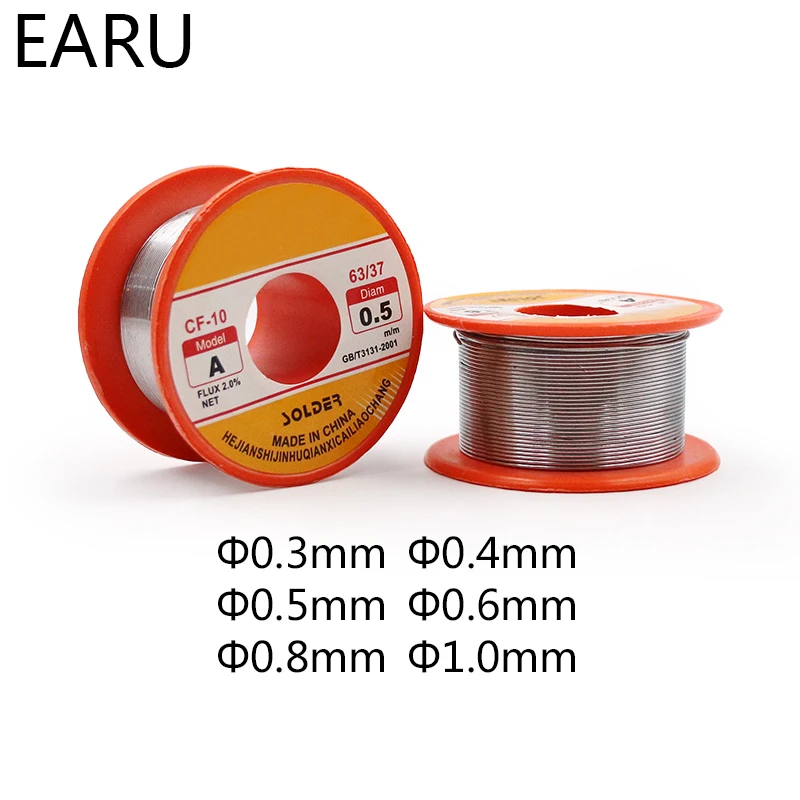
This solder wire features either a 63/37 or 60/40 tin-lead alloy with a 2.0% NET CF-10 Model A rosin core flux. These specific compositions are instrumental in achieving distinct soldering characteristics. The inclusion of flux within the core eliminates the need for external flux application in many scenarios. This simplifies the workflow.
For the sculptural artist, the choice between 63/37 and 60/40 is significant. The 63/37 alloy is eutectic, meaning it transitions directly from liquid to solid at a precise temperature of 183°C. This rapid solidification minimizes the chance of disturbing the joint during cooling, resulting in cleaner, shinier, and stronger bonds, akin to a quick-setting adhesive for metal. A fast set is often preferred. The 60/40 alloy, conversely, exhibits a 'plastic range' where it remains semi-liquid for a brief period before fully solidifying. This property can be leveraged for specific applications, such as bridging slightly larger gaps or allowing minor adjustments during the cooling phase, though it demands a steadier hand to prevent cold joints.
Unlike plain solder wires that require separate flux application, the integrated rosin core in these EARU spools actively cleans the surface of the metals as heat is applied. This pre-cleaning action is vital for preventing oxidation and ensuring proper wetting, which allows the molten solder to spread evenly and bond effectively. Without this, the surface would resist the solder. This proactive cleaning promotes superior adhesion and a more consistent, aesthetically pleasing bead, crucial when the finished joint is part of a visible design.
The EARU solder wire is available in a versatile range of diameters, including 0.3mm, 0.4mm, 0.5mm, 0.6mm, 0.8mm, and 1.0mm. This comprehensive selection provides the artisan with the right 'tool' for every scale of work. Small wires are delicate.
These varied diameters allow for exceptional control over solder deposition. The ultra-fine 0.3mm and 0.4mm wires are ideal for intricate tasks such as repairing microscopic traces on circuit boards, joining tiny jewelry components, or creating delicate wire sculptures where minimal material is required. They enable extreme precision. Conversely, the larger 0.8mm and 1.0mm diameters are better suited for more robust connections, such as wiring power supplies, joining larger gauge wires, or constructing more substantial metal forms where greater structural integrity is paramount. This versatility is key.
Unlike offerings that limit users to one or two common diameters, this extensive range acts as an artist's full set of brushes, each size designed for a specific stroke. It empowers the user to approach projects with a tailored material, optimizing both efficiency and the final quality of the solder joint. This adaptability translates directly into superior results, whether for a detailed miniature or a larger, functional assembly.
The inherent properties of this solder, particularly its rosin core, contribute significantly to controlled heat dynamics and optimal flow, critical for sculptural soldering. The rosin core cleans. When heat is applied via a soldering iron, the rosin flux activates, dissolving oxides on the metal surfaces and allowing the molten tin-lead alloy to flow smoothly and evenly. This creates a clean interface.
This smooth flow is essential for creating precise and aesthetically pleasing solder beads, which can be considered an artistic element in themselves. The solder forms a consistent fillet, minimizing bridging on fine-pitch components and ensuring complete coverage without excess material. The resulting joint often exhibits a bright, shiny finish, indicating a strong metallurgical bond and a well-executed application. Such finishes elevate the work.
Compared to low-quality or flux-deficient solders, which can lead to dull, lumpy, or brittle joints that detract from both function and form, the EARU rosin core solder promotes superior wetting and a controlled capillary action. This means the solder naturally draws into the joint, creating a uniform connection that is both electrically sound and visually appealing. The consistency is noticeable.
While traditional welding involves fusing parent metals, soldering, especially with this tin-lead alloy, excels at creating strong, conductive bonds between various components. It connects different materials. This capability is fundamental for constructing complex electronic circuits where components of different materials (e.g., copper, tin-plated steel, brass) must be reliably joined. The solder acts as the intermediary, forming a robust intermetallic layer.
For the sculptural artist, this solder facilitates the creation of hybrid forms, allowing the secure attachment of disparate metal pieces that might otherwise be difficult to join. Imagine integrating delicate brass elements with copper wiring in a kinetic sculpture. This material enables such creative combinations. The controlled melting and solidification properties ensure that these artistic beads are not only structurally sound but also contribute to the visual narrative of the piece.
This method offers a distinct advantage over purely mechanical fasteners or adhesives in applications requiring electrical conductivity or a permanent, low-profile connection. It provides a permanent bond. The precise control offered by the various wire diameters allows the artist to select the exact amount of material needed, preventing unsightly excess and maintaining the intended form of the artwork. It allows for intricate assembly.
The compact design of these solder spools, with an approximate width of 29.2mm and a diameter of 55mm, significantly enhances equipment mobility. They are small and light. This portability is a considerable advantage for technicians performing field repairs, hobbyists working in varied locations, or artists who prefer to keep their workspace uncluttered and adaptable. The small footprint allows for easy storage in toolboxes, pockets, or small bench organizers.
Such compact spools mean that a variety of solder diameters can be carried without adding significant bulk or weight. A technician can easily pack multiple spools, ensuring they have the right gauge for any unexpected repair, from fine SMD work to general wiring. This ensures preparedness. For artists, it means the ability to move their 'atelier' to different creative spaces, perhaps working on a piece outdoors or at a collaborative workshop without being tethered to a large, stationary setup.
Unlike bulky industrial-sized spools that are designed for high-volume, fixed-station use, these EARU spools are engineered for agility and convenience. They minimize bench space. Their small scale does not compromise the quality of the solder, merely its quantity per spool, making them a practical choice for those who value flexibility and efficient use of space. This design supports a dynamic work environment.
This EARU rosin core solder wire empowers precision and artistic expression in equal measure. Imagine the satisfaction of consistently creating clean, strong, and visually appealing solder joints, whether you are meticulously repairing a vintage circuit board or bringing a complex metal sculpture to life. The ability to choose the perfect wire diameter ensures every connection is executed with confidence and finesse. This adaptable material will become an indispensable part of your toolkit, allowing you to achieve professional-grade results and push the boundaries of your craft, turning every solder joint into a deliberate, clean line of metallic artistry.
Material Symphony: The Core Composition
This solder wire features either a 63/37 or 60/40 tin-lead alloy with a 2.0% NET CF-10 Model A rosin core flux. These specific compositions are instrumental in achieving distinct soldering characteristics. The inclusion of flux within the core eliminates the need for external flux application in many scenarios. This simplifies the workflow.
For the sculptural artist, the choice between 63/37 and 60/40 is significant. The 63/37 alloy is eutectic, meaning it transitions directly from liquid to solid at a precise temperature of 183°C. This rapid solidification minimizes the chance of disturbing the joint during cooling, resulting in cleaner, shinier, and stronger bonds, akin to a quick-setting adhesive for metal. A fast set is often preferred. The 60/40 alloy, conversely, exhibits a 'plastic range' where it remains semi-liquid for a brief period before fully solidifying. This property can be leveraged for specific applications, such as bridging slightly larger gaps or allowing minor adjustments during the cooling phase, though it demands a steadier hand to prevent cold joints.
Unlike plain solder wires that require separate flux application, the integrated rosin core in these EARU spools actively cleans the surface of the metals as heat is applied. This pre-cleaning action is vital for preventing oxidation and ensuring proper wetting, which allows the molten solder to spread evenly and bond effectively. Without this, the surface would resist the solder. This proactive cleaning promotes superior adhesion and a more consistent, aesthetically pleasing bead, crucial when the finished joint is part of a visible design.
Diameter's Dance: Precision and Scale
The EARU solder wire is available in a versatile range of diameters, including 0.3mm, 0.4mm, 0.5mm, 0.6mm, 0.8mm, and 1.0mm. This comprehensive selection provides the artisan with the right 'tool' for every scale of work. Small wires are delicate.
These varied diameters allow for exceptional control over solder deposition. The ultra-fine 0.3mm and 0.4mm wires are ideal for intricate tasks such as repairing microscopic traces on circuit boards, joining tiny jewelry components, or creating delicate wire sculptures where minimal material is required. They enable extreme precision. Conversely, the larger 0.8mm and 1.0mm diameters are better suited for more robust connections, such as wiring power supplies, joining larger gauge wires, or constructing more substantial metal forms where greater structural integrity is paramount. This versatility is key.
Unlike offerings that limit users to one or two common diameters, this extensive range acts as an artist's full set of brushes, each size designed for a specific stroke. It empowers the user to approach projects with a tailored material, optimizing both efficiency and the final quality of the solder joint. This adaptability translates directly into superior results, whether for a detailed miniature or a larger, functional assembly.
The Sculptor's Hand: Heat Dynamics and Flow
The inherent properties of this solder, particularly its rosin core, contribute significantly to controlled heat dynamics and optimal flow, critical for sculptural soldering. The rosin core cleans. When heat is applied via a soldering iron, the rosin flux activates, dissolving oxides on the metal surfaces and allowing the molten tin-lead alloy to flow smoothly and evenly. This creates a clean interface.
This smooth flow is essential for creating precise and aesthetically pleasing solder beads, which can be considered an artistic element in themselves. The solder forms a consistent fillet, minimizing bridging on fine-pitch components and ensuring complete coverage without excess material. The resulting joint often exhibits a bright, shiny finish, indicating a strong metallurgical bond and a well-executed application. Such finishes elevate the work.
Compared to low-quality or flux-deficient solders, which can lead to dull, lumpy, or brittle joints that detract from both function and form, the EARU rosin core solder promotes superior wetting and a controlled capillary action. This means the solder naturally draws into the joint, creating a uniform connection that is both electrically sound and visually appealing. The consistency is noticeable.
Assembly of Forms: Joining Diverse Elements
While traditional welding involves fusing parent metals, soldering, especially with this tin-lead alloy, excels at creating strong, conductive bonds between various components. It connects different materials. This capability is fundamental for constructing complex electronic circuits where components of different materials (e.g., copper, tin-plated steel, brass) must be reliably joined. The solder acts as the intermediary, forming a robust intermetallic layer.
For the sculptural artist, this solder facilitates the creation of hybrid forms, allowing the secure attachment of disparate metal pieces that might otherwise be difficult to join. Imagine integrating delicate brass elements with copper wiring in a kinetic sculpture. This material enables such creative combinations. The controlled melting and solidification properties ensure that these artistic beads are not only structurally sound but also contribute to the visual narrative of the piece.
This method offers a distinct advantage over purely mechanical fasteners or adhesives in applications requiring electrical conductivity or a permanent, low-profile connection. It provides a permanent bond. The precise control offered by the various wire diameters allows the artist to select the exact amount of material needed, preventing unsightly excess and maintaining the intended form of the artwork. It allows for intricate assembly.
The Mobile Atelier: Portability and Workshop Flexibility
The compact design of these solder spools, with an approximate width of 29.2mm and a diameter of 55mm, significantly enhances equipment mobility. They are small and light. This portability is a considerable advantage for technicians performing field repairs, hobbyists working in varied locations, or artists who prefer to keep their workspace uncluttered and adaptable. The small footprint allows for easy storage in toolboxes, pockets, or small bench organizers.
Such compact spools mean that a variety of solder diameters can be carried without adding significant bulk or weight. A technician can easily pack multiple spools, ensuring they have the right gauge for any unexpected repair, from fine SMD work to general wiring. This ensures preparedness. For artists, it means the ability to move their 'atelier' to different creative spaces, perhaps working on a piece outdoors or at a collaborative workshop without being tethered to a large, stationary setup.
Unlike bulky industrial-sized spools that are designed for high-volume, fixed-station use, these EARU spools are engineered for agility and convenience. They minimize bench space. Their small scale does not compromise the quality of the solder, merely its quantity per spool, making them a practical choice for those who value flexibility and efficient use of space. This design supports a dynamic work environment.
This EARU rosin core solder wire empowers precision and artistic expression in equal measure. Imagine the satisfaction of consistently creating clean, strong, and visually appealing solder joints, whether you are meticulously repairing a vintage circuit board or bringing a complex metal sculpture to life. The ability to choose the perfect wire diameter ensures every connection is executed with confidence and finesse. This adaptable material will become an indispensable part of your toolkit, allowing you to achieve professional-grade results and push the boundaries of your craft, turning every solder joint into a deliberate, clean line of metallic artistry.