Dual Fuel LPG/NG Carburetor Conversion Kit for 3KW 168F/170F Generators
Official Store Deal
Expert Analysis Overview
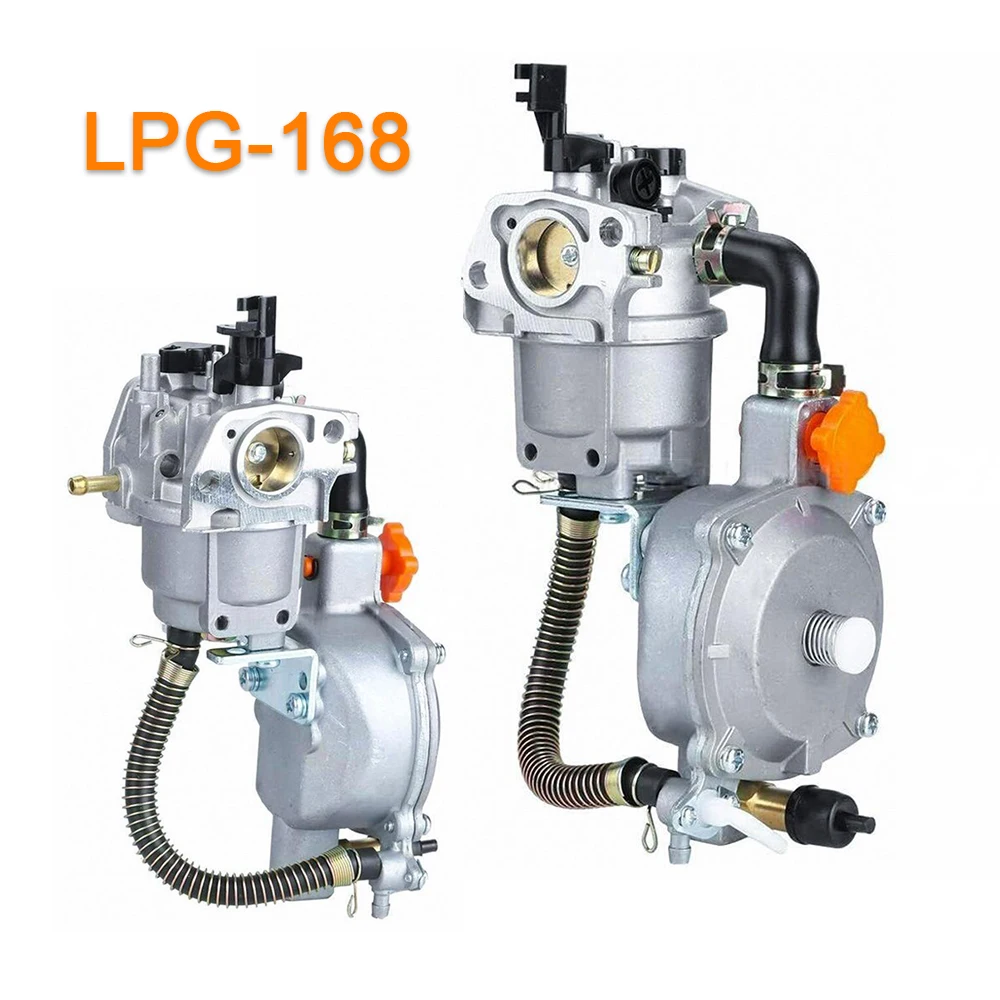
The Dual Fuel LPG/NG Carburetor Conversion Kit is a critical engine modification designed for owners of 3KW 168F/170F and GX160/GX200 series gasoline generators seeking enhanced fuel versatility and operational efficiency. This component transforms a standard gasoline-only generator into a multi-fuel powerhouse, capable of running on Liquid Petroleum Gas (LPG), Natural Gas (NG), or conventional gasoline. The visible construction suggests a focus on robust fuel delivery and regulation, essential for consistent power output across different fuel types. Its integration aims to mitigate the common pain points associated with single-fuel dependence, offering a practical solution for prolonged operation and reduced running costs. This kit represents a significant upgrade from basic carburetor designs, providing adaptability in various operational scenarios.
This conversion kit centers around a modified carburetor assembly paired with a dedicated LPG/NG regulator. The primary carburetor body, visible in the provided images, appears to be a standard design for the specified engine types, ensuring direct fitment. Key components include the fuel valve inlet air tube, identified as 'A', which manages air intake for combustion. The enrichment button, labeled 'B', provides a manual choke function, crucial for cold starts. An oil drain switch, marked 'C', facilitates routine maintenance. These elements are fundamental to engine operation.
The integration of the LPG/NG regulator directly onto the carburetor body is a design choice aimed at minimizing external plumbing and simplifying the installation process. This compact arrangement reduces potential leak points and maintains a relatively small footprint, which is beneficial in confined generator compartments. The regulator's function is to precisely control the pressure and flow of gaseous fuels (LPG or NG) into the carburetor's mixing chamber. Consistent fuel pressure is vital.
Unlike generic carburetor replacements, this kit specifically addresses the challenge of switching between liquid and gaseous fuels without extensive modifications. Standard carburetors are calibrated for gasoline's specific energy density and atomization characteristics. This dual-fuel system introduces a separate pathway for gaseous fuels, bypassing the conventional fuel bowl and jetting system when operating on LPG or NG. This design ensures that the engine receives the correct fuel-air mixture, regardless of the selected fuel source, optimizing combustion efficiency. It offers significant operational flexibility.
The carburetor itself features the typical throttle plate and venturi design, which creates a low-pressure area to draw in air and mix it with fuel. For gasoline operation, fuel is drawn from the generator's tank into the carburetor's float bowl, then metered through jets. The visible fuel lines and connections appear to be standard, implying straightforward integration with existing fuel tanks. Proper sealing is paramount.
When operating on LPG or NG, the gaseous fuel enters the system through the integrated regulator. This regulator reduces the high pressure of the incoming gas to a usable level for the engine. The gas then mixes with air in a dedicated chamber before entering the engine's combustion cycle. This separation of fuel delivery systems ensures that the generator can seamlessly transition between fuel types, offering redundancy. Fuel efficiency improves.
The mechanical connections, particularly where the regulator interfaces with the carburetor and the engine's intake manifold, are critical for long-term reliability. The visible gaskets, supplied with the kit, are essential for creating airtight seals, preventing air leaks that could lean out the fuel mixture and cause engine damage. The integrity of these seals directly impacts engine performance and safety. Every connection matters.
Examination of the visual input reveals a carburetor and regulator constructed primarily from a cast metal alloy, likely aluminum or a similar durable material. This material choice is standard for small engine components, offering a balance of strength, heat dissipation, and corrosion resistance. The surface finish appears consistent, indicating a manufacturing process designed for functional longevity. Durability is a key factor.
Components like the fuel lines and the corrugated hose connecting the regulator to the carburetor appear to be made of reinforced rubber or flexible metal, designed to withstand the pressures and chemical properties of various fuels. The hose's corrugated design suggests flexibility and resistance to kinking, which is important for routing within the generator's frame. These material selections are crucial for preventing leaks and ensuring safe operation. Quality materials prevent failures.
Compared to lower-grade plastic components sometimes found in aftermarket parts, the visible metal construction of the main body offers superior thermal stability and resistance to physical impact. This robust build quality is essential for an engine component that operates under varying temperatures and vibrations. The visible fasteners and fittings also appear to be of standard quality, suggesting secure assembly. This enhances operational safety.
Installing this dual-fuel conversion kit requires a degree of mechanical aptitude, involving the removal of the existing gasoline carburetor and the careful installation of the new dual-fuel unit. The kit includes gaskets, indicating that proper sealing surfaces are critical for preventing air or fuel leaks. The process typically involves disconnecting fuel lines, throttle linkages, and mounting bolts. Precision is required.
Once the physical installation is complete, the system requires connection to an LPG or NG supply. This involves routing a gas line to the regulator's inlet. The arrows in the first image, pointing to 'LPG/NC', clearly indicate the gas input port. Proper tightening of all connections, especially those involving fuel, is non-negotiable for safety and performance. A leak check is imperative.
Unlike a simple carburetor swap, this conversion introduces an additional fuel system to manage. Users must understand how to switch between gasoline and gaseous fuels, which typically involves manipulating a fuel selector valve or ensuring one fuel source is completely off before engaging the other. This added complexity is a trade-off for the increased versatility. Operational understanding is key.
The physical dimensions, as depicted in the second image, show a compact design that should fit within the existing engine bay of compatible generators without extensive modification. The overall height of 190mm and various other measurements (e.g., 42mm, 24mm, 80mm) provide critical reference points for fitment verification. Accurate measurements prevent installation issues. Confirming these dimensions against the generator's available space is a necessary pre-installation step.
Connecting the fuel valve inlet air tube (A) and ensuring the enrichment button (B) and oil drain switch (C) are accessible post-installation are practical considerations. The design appears to maintain the original functionality of these controls, which simplifies user interaction. The inclusion of new gaskets in the kit is a positive indicator, as old gaskets often fail to seal properly after removal. Fresh gaskets ensure a tight seal.
Compared to more elaborate dual-fuel systems that might involve separate fuel tanks or complex electronic controls, this mechanical conversion kit offers a relatively straightforward approach. It leverages the existing engine's intake system and adds a dedicated gas regulation stage. This design philosophy prioritizes ease of installation and maintenance for the average user, minimizing the need for specialized tools or expertise beyond basic mechanical skills. Simplicity aids adoption.
When correctly installed and adjusted, the kit enables the generator to run efficiently on either gasoline, LPG, or NG. The ability to switch fuels provides significant operational flexibility, particularly in situations where one fuel type may be scarce or more expensive. For instance, during power outages, access to propane tanks can extend generator run time beyond the capacity of a single gasoline tank. This versatility enhances utility.
Performance characteristics, such as power output and fuel consumption, will vary slightly depending on the fuel type. Gaseous fuels typically burn cleaner than gasoline, potentially leading to less carbon buildup in the engine and extended engine life. However, a slight reduction in maximum power output may be observed when running on LPG or NG due to differences in energy density and combustion properties. This is a common characteristic.
Unlike a generator factory-designed for dual fuel, this conversion kit adapts an existing engine. This means that optimal performance may require minor adjustments to the carburetor's idle speed or mixture screw, if accessible, to fine-tune for each fuel type. The system is designed to provide reliable operation across compatible engines, offering a practical solution for emergency power or off-grid applications. It expands operational horizons.
One of the primary motivations for installing a dual-fuel conversion kit is the potential for significant cost savings on fuel. LPG and NG are often less expensive per unit of energy than gasoline, especially when purchased in bulk or through residential gas lines. This economic advantage becomes more pronounced during extended periods of generator use, such as during prolonged power outages or for continuous off-grid power. Fuel flexibility reduces costs.
Beyond direct fuel cost savings, the ability to use multiple fuel types provides a strategic advantage in terms of fuel availability. Gasoline has a limited shelf life and can be difficult to store in large quantities. LPG, stored in tanks, has a much longer shelf life and is readily available. Natural gas, if connected to a residential supply, offers an almost unlimited fuel source. This reduces dependency.
This kit transforms a single-purpose asset into a more versatile and resilient piece of equipment. The initial investment in the conversion kit is quickly recouped through lower fuel costs and the extended utility it provides. Instead of purchasing a new, more expensive dual-fuel generator, this kit offers an affordable upgrade path for existing equipment. It's a smart economic choice.
The economic benefits extend beyond just the price per gallon or liter. The cleaner burning nature of LPG and NG can reduce engine wear and tear, potentially extending the intervals between maintenance and reducing the overall cost of ownership. Less carbon buildup means fewer fouled spark plugs and cleaner oil, contributing to a healthier engine. This translates to fewer repairs.
For users in areas with access to natural gas lines, the conversion offers an uninterrupted fuel supply, eliminating the need for frequent refueling. This is particularly advantageous for standby generators used during emergencies. The convenience of not having to store or transport large quantities of liquid fuel adds to the overall value proposition. Convenience adds value.
Compared to the fluctuating and often higher prices of gasoline, especially during peak demand or emergencies, having the option to switch to LPG or NG provides a hedge against price volatility. This financial flexibility ensures that generator operation remains economically viable over the long term, making the initial investment in the conversion kit a sound decision. It stabilizes operational expenses.
The cleaner combustion of gaseous fuels contributes to reduced engine deposits, which can prolong the life of critical engine components such as pistons, valves, and spark plugs. This means less frequent maintenance and potentially fewer costly repairs over the generator's operational life. A cleaner engine runs better.
By offering multiple fuel options, the kit allows users to choose the most appropriate fuel for specific situations, potentially reducing strain on the engine. For example, using natural gas for extended periods can be less taxing on the fuel system compared to gasoline, which can degrade over time and clog carburetors. This adaptability promotes longevity.
Unlike continuously running a generator on stale gasoline, which can lead to gumming and corrosion within the carburetor, operating on LPG or NG avoids these issues entirely. This proactive approach to fuel management helps preserve the integrity of the fuel system and the engine itself. It's a preventative measure.
Before committing to this conversion, users must verify the exact model compatibility with their generator. The product description explicitly states compatibility with 3KW 168F/170F and GX160/GX200 series engines, which are common in many portable generators. Cross-referencing engine model numbers is a critical step to ensure proper fitment and function. Compatibility is non-negotiable.
Understanding the installation process and having the necessary tools and mechanical skills are also important considerations. While the kit appears designed for a relatively straightforward swap, improper installation can lead to fuel leaks, engine damage, or unsafe operation. Consulting a professional or following detailed instructions is advisable for those less experienced. Safety is paramount.
This conversion kit is particularly well-suited for individuals or businesses that rely on generators for extended periods, such as those in remote locations, off-grid living, or emergency preparedness scenarios. The ability to utilize readily available and often cheaper gaseous fuels significantly enhances the generator's utility and cost-effectiveness. It offers strategic advantage.
The visual cues, such as the mounting bolt patterns and the overall dimensions provided in the second image, are crucial for verifying compatibility. Users should measure their existing carburetor's mounting points and compare them to the kit's specifications. This ensures a direct bolt-on replacement without the need for custom fabrication. Precise measurements are key.
Engine specifications, including horsepower and wattage, also play a role in ensuring the conversion kit is appropriately sized. The kit is rated for 2KW-3KW and 5.5-6.5HP generators, aligning with the common power outputs of the 168F/170F and GX160/GX200 engine families. Mismatched components can lead to poor performance or engine strain. Verify all ratings.
Unlike universal conversion kits that claim broad compatibility but often require extensive modifications, this kit targets specific engine models. This focused design typically results in a more reliable and easier installation process. The explicit mention of GX160/GX200 and 168F/170F generators provides clear guidance for potential buyers, reducing guesswork. Specificity aids installation.
Regular inspection of the fuel lines, gaskets, and connections for any signs of wear, cracking, or leaks is essential for maintaining the safety and performance of the converted generator. Gaseous fuels, while cleaner burning, still require a well-sealed system to prevent hazardous leaks. A routine check prevents issues.
Periodically cleaning the carburetor, especially if switching frequently between gasoline and gaseous fuels, can help prevent buildup and ensure smooth operation. The oil drain switch, labeled 'C', suggests that the kit is designed with maintenance in mind, allowing for easy draining of the carburetor bowl if needed. This simplifies routine care.
Compared to a single-fuel gasoline carburetor, the dual-fuel system introduces additional components, specifically the regulator, that may require periodic inspection. Ensuring the regulator is free from debris and functioning correctly is part of a comprehensive maintenance schedule. This attention to detail ensures long-term reliability. Proactive care extends life.
Imagine the peace of mind during a power outage, knowing your generator can run for days on a readily available propane tank, or indefinitely if connected to your home's natural gas line. Visualize the savings on fuel costs accumulating over time, making your generator not just an emergency tool, but an economically viable power source for various applications. This kit empowers you with unparalleled fuel flexibility and operational resilience, transforming your generator into a truly adaptable asset.
Engineering for Fuel Agility
This conversion kit centers around a modified carburetor assembly paired with a dedicated LPG/NG regulator. The primary carburetor body, visible in the provided images, appears to be a standard design for the specified engine types, ensuring direct fitment. Key components include the fuel valve inlet air tube, identified as 'A', which manages air intake for combustion. The enrichment button, labeled 'B', provides a manual choke function, crucial for cold starts. An oil drain switch, marked 'C', facilitates routine maintenance. These elements are fundamental to engine operation.
The integration of the LPG/NG regulator directly onto the carburetor body is a design choice aimed at minimizing external plumbing and simplifying the installation process. This compact arrangement reduces potential leak points and maintains a relatively small footprint, which is beneficial in confined generator compartments. The regulator's function is to precisely control the pressure and flow of gaseous fuels (LPG or NG) into the carburetor's mixing chamber. Consistent fuel pressure is vital.
Unlike generic carburetor replacements, this kit specifically addresses the challenge of switching between liquid and gaseous fuels without extensive modifications. Standard carburetors are calibrated for gasoline's specific energy density and atomization characteristics. This dual-fuel system introduces a separate pathway for gaseous fuels, bypassing the conventional fuel bowl and jetting system when operating on LPG or NG. This design ensures that the engine receives the correct fuel-air mixture, regardless of the selected fuel source, optimizing combustion efficiency. It offers significant operational flexibility.
The Core Mechanism: Carburetion and Regulation
The carburetor itself features the typical throttle plate and venturi design, which creates a low-pressure area to draw in air and mix it with fuel. For gasoline operation, fuel is drawn from the generator's tank into the carburetor's float bowl, then metered through jets. The visible fuel lines and connections appear to be standard, implying straightforward integration with existing fuel tanks. Proper sealing is paramount.
When operating on LPG or NG, the gaseous fuel enters the system through the integrated regulator. This regulator reduces the high pressure of the incoming gas to a usable level for the engine. The gas then mixes with air in a dedicated chamber before entering the engine's combustion cycle. This separation of fuel delivery systems ensures that the generator can seamlessly transition between fuel types, offering redundancy. Fuel efficiency improves.
The mechanical connections, particularly where the regulator interfaces with the carburetor and the engine's intake manifold, are critical for long-term reliability. The visible gaskets, supplied with the kit, are essential for creating airtight seals, preventing air leaks that could lean out the fuel mixture and cause engine damage. The integrity of these seals directly impacts engine performance and safety. Every connection matters.
Material Integrity and Durability
Examination of the visual input reveals a carburetor and regulator constructed primarily from a cast metal alloy, likely aluminum or a similar durable material. This material choice is standard for small engine components, offering a balance of strength, heat dissipation, and corrosion resistance. The surface finish appears consistent, indicating a manufacturing process designed for functional longevity. Durability is a key factor.
Components like the fuel lines and the corrugated hose connecting the regulator to the carburetor appear to be made of reinforced rubber or flexible metal, designed to withstand the pressures and chemical properties of various fuels. The hose's corrugated design suggests flexibility and resistance to kinking, which is important for routing within the generator's frame. These material selections are crucial for preventing leaks and ensuring safe operation. Quality materials prevent failures.
Compared to lower-grade plastic components sometimes found in aftermarket parts, the visible metal construction of the main body offers superior thermal stability and resistance to physical impact. This robust build quality is essential for an engine component that operates under varying temperatures and vibrations. The visible fasteners and fittings also appear to be of standard quality, suggesting secure assembly. This enhances operational safety.
Installation Dynamics and Operational Nuances
Installing this dual-fuel conversion kit requires a degree of mechanical aptitude, involving the removal of the existing gasoline carburetor and the careful installation of the new dual-fuel unit. The kit includes gaskets, indicating that proper sealing surfaces are critical for preventing air or fuel leaks. The process typically involves disconnecting fuel lines, throttle linkages, and mounting bolts. Precision is required.
Once the physical installation is complete, the system requires connection to an LPG or NG supply. This involves routing a gas line to the regulator's inlet. The arrows in the first image, pointing to 'LPG/NC', clearly indicate the gas input port. Proper tightening of all connections, especially those involving fuel, is non-negotiable for safety and performance. A leak check is imperative.
Unlike a simple carburetor swap, this conversion introduces an additional fuel system to manage. Users must understand how to switch between gasoline and gaseous fuels, which typically involves manipulating a fuel selector valve or ensuring one fuel source is completely off before engaging the other. This added complexity is a trade-off for the increased versatility. Operational understanding is key.
Integrating the Conversion
The physical dimensions, as depicted in the second image, show a compact design that should fit within the existing engine bay of compatible generators without extensive modification. The overall height of 190mm and various other measurements (e.g., 42mm, 24mm, 80mm) provide critical reference points for fitment verification. Accurate measurements prevent installation issues. Confirming these dimensions against the generator's available space is a necessary pre-installation step.
Connecting the fuel valve inlet air tube (A) and ensuring the enrichment button (B) and oil drain switch (C) are accessible post-installation are practical considerations. The design appears to maintain the original functionality of these controls, which simplifies user interaction. The inclusion of new gaskets in the kit is a positive indicator, as old gaskets often fail to seal properly after removal. Fresh gaskets ensure a tight seal.
Compared to more elaborate dual-fuel systems that might involve separate fuel tanks or complex electronic controls, this mechanical conversion kit offers a relatively straightforward approach. It leverages the existing engine's intake system and adds a dedicated gas regulation stage. This design philosophy prioritizes ease of installation and maintenance for the average user, minimizing the need for specialized tools or expertise beyond basic mechanical skills. Simplicity aids adoption.
Performance Under Dual Fuel
When correctly installed and adjusted, the kit enables the generator to run efficiently on either gasoline, LPG, or NG. The ability to switch fuels provides significant operational flexibility, particularly in situations where one fuel type may be scarce or more expensive. For instance, during power outages, access to propane tanks can extend generator run time beyond the capacity of a single gasoline tank. This versatility enhances utility.
Performance characteristics, such as power output and fuel consumption, will vary slightly depending on the fuel type. Gaseous fuels typically burn cleaner than gasoline, potentially leading to less carbon buildup in the engine and extended engine life. However, a slight reduction in maximum power output may be observed when running on LPG or NG due to differences in energy density and combustion properties. This is a common characteristic.
Unlike a generator factory-designed for dual fuel, this conversion kit adapts an existing engine. This means that optimal performance may require minor adjustments to the carburetor's idle speed or mixture screw, if accessible, to fine-tune for each fuel type. The system is designed to provide reliable operation across compatible engines, offering a practical solution for emergency power or off-grid applications. It expands operational horizons.
The Economic Imperative and Long-Term Value
One of the primary motivations for installing a dual-fuel conversion kit is the potential for significant cost savings on fuel. LPG and NG are often less expensive per unit of energy than gasoline, especially when purchased in bulk or through residential gas lines. This economic advantage becomes more pronounced during extended periods of generator use, such as during prolonged power outages or for continuous off-grid power. Fuel flexibility reduces costs.
Beyond direct fuel cost savings, the ability to use multiple fuel types provides a strategic advantage in terms of fuel availability. Gasoline has a limited shelf life and can be difficult to store in large quantities. LPG, stored in tanks, has a much longer shelf life and is readily available. Natural gas, if connected to a residential supply, offers an almost unlimited fuel source. This reduces dependency.
This kit transforms a single-purpose asset into a more versatile and resilient piece of equipment. The initial investment in the conversion kit is quickly recouped through lower fuel costs and the extended utility it provides. Instead of purchasing a new, more expensive dual-fuel generator, this kit offers an affordable upgrade path for existing equipment. It's a smart economic choice.
Fuel Cost Optimization
The economic benefits extend beyond just the price per gallon or liter. The cleaner burning nature of LPG and NG can reduce engine wear and tear, potentially extending the intervals between maintenance and reducing the overall cost of ownership. Less carbon buildup means fewer fouled spark plugs and cleaner oil, contributing to a healthier engine. This translates to fewer repairs.
For users in areas with access to natural gas lines, the conversion offers an uninterrupted fuel supply, eliminating the need for frequent refueling. This is particularly advantageous for standby generators used during emergencies. The convenience of not having to store or transport large quantities of liquid fuel adds to the overall value proposition. Convenience adds value.
Compared to the fluctuating and often higher prices of gasoline, especially during peak demand or emergencies, having the option to switch to LPG or NG provides a hedge against price volatility. This financial flexibility ensures that generator operation remains economically viable over the long term, making the initial investment in the conversion kit a sound decision. It stabilizes operational expenses.
Extending Generator Lifespan
The cleaner combustion of gaseous fuels contributes to reduced engine deposits, which can prolong the life of critical engine components such as pistons, valves, and spark plugs. This means less frequent maintenance and potentially fewer costly repairs over the generator's operational life. A cleaner engine runs better.
By offering multiple fuel options, the kit allows users to choose the most appropriate fuel for specific situations, potentially reducing strain on the engine. For example, using natural gas for extended periods can be less taxing on the fuel system compared to gasoline, which can degrade over time and clog carburetors. This adaptability promotes longevity.
Unlike continuously running a generator on stale gasoline, which can lead to gumming and corrosion within the carburetor, operating on LPG or NG avoids these issues entirely. This proactive approach to fuel management helps preserve the integrity of the fuel system and the engine itself. It's a preventative measure.
Strategic Considerations for Adoption
Before committing to this conversion, users must verify the exact model compatibility with their generator. The product description explicitly states compatibility with 3KW 168F/170F and GX160/GX200 series engines, which are common in many portable generators. Cross-referencing engine model numbers is a critical step to ensure proper fitment and function. Compatibility is non-negotiable.
Understanding the installation process and having the necessary tools and mechanical skills are also important considerations. While the kit appears designed for a relatively straightforward swap, improper installation can lead to fuel leaks, engine damage, or unsafe operation. Consulting a professional or following detailed instructions is advisable for those less experienced. Safety is paramount.
This conversion kit is particularly well-suited for individuals or businesses that rely on generators for extended periods, such as those in remote locations, off-grid living, or emergency preparedness scenarios. The ability to utilize readily available and often cheaper gaseous fuels significantly enhances the generator's utility and cost-effectiveness. It offers strategic advantage.
Compatibility Verification
The visual cues, such as the mounting bolt patterns and the overall dimensions provided in the second image, are crucial for verifying compatibility. Users should measure their existing carburetor's mounting points and compare them to the kit's specifications. This ensures a direct bolt-on replacement without the need for custom fabrication. Precise measurements are key.
Engine specifications, including horsepower and wattage, also play a role in ensuring the conversion kit is appropriately sized. The kit is rated for 2KW-3KW and 5.5-6.5HP generators, aligning with the common power outputs of the 168F/170F and GX160/GX200 engine families. Mismatched components can lead to poor performance or engine strain. Verify all ratings.
Unlike universal conversion kits that claim broad compatibility but often require extensive modifications, this kit targets specific engine models. This focused design typically results in a more reliable and easier installation process. The explicit mention of GX160/GX200 and 168F/170F generators provides clear guidance for potential buyers, reducing guesswork. Specificity aids installation.
Maintenance and Longevity
Regular inspection of the fuel lines, gaskets, and connections for any signs of wear, cracking, or leaks is essential for maintaining the safety and performance of the converted generator. Gaseous fuels, while cleaner burning, still require a well-sealed system to prevent hazardous leaks. A routine check prevents issues.
Periodically cleaning the carburetor, especially if switching frequently between gasoline and gaseous fuels, can help prevent buildup and ensure smooth operation. The oil drain switch, labeled 'C', suggests that the kit is designed with maintenance in mind, allowing for easy draining of the carburetor bowl if needed. This simplifies routine care.
Compared to a single-fuel gasoline carburetor, the dual-fuel system introduces additional components, specifically the regulator, that may require periodic inspection. Ensuring the regulator is free from debris and functioning correctly is part of a comprehensive maintenance schedule. This attention to detail ensures long-term reliability. Proactive care extends life.
Imagine the peace of mind during a power outage, knowing your generator can run for days on a readily available propane tank, or indefinitely if connected to your home's natural gas line. Visualize the savings on fuel costs accumulating over time, making your generator not just an emergency tool, but an economically viable power source for various applications. This kit empowers you with unparalleled fuel flexibility and operational resilience, transforming your generator into a truly adaptable asset.