Diamond Polishing Pads for Stone & Concrete
Official Store Deal
Expert Analysis Overview
Precision in Stone Finishing: An Expert's View on Diamond Polishing Pads
Diamond Polishing Pads are specialized abrasive tools designed for rigorous surface refinement of hard materials, offering a spectrum of grits for comprehensive finishing. These particular 4-inch (100mm) pads, with their extensive grit range from 30 to 10000, are clearly engineered for demanding applications on mineral-based surfaces. The visible construction and advertised capabilities position them as a robust solution for professionals and serious DIY enthusiasts tackling stone, concrete, granite, and marble.
While the product explicitly targets stone, concrete, granite, and marble, one promotional image depicts these pads being used on a wooden surface. This usage scenario warrants careful consideration. Diamond abrasives are exceptionally aggressive; their primary function is to cut and abrade extremely hard materials like stone. Applying such an abrasive to wood, especially softer varieties, typically results in rapid material removal, deep gouges, and an undesirable finish. Wood finishing generally requires softer, more controlled abrasives like silicon carbide or aluminum oxide, which are designed to create a smooth surface without excessive material loss. For specific, extremely hard exotic woods or specialized applications where aggressive shaping is needed, a very coarse diamond grit might be considered with extreme caution, but it is not a conventional or recommended practice for general wood finishing. The primary utility of these pads remains firmly within the realm of mineral surface preparation.
The Abrasive System: Grit and Composition
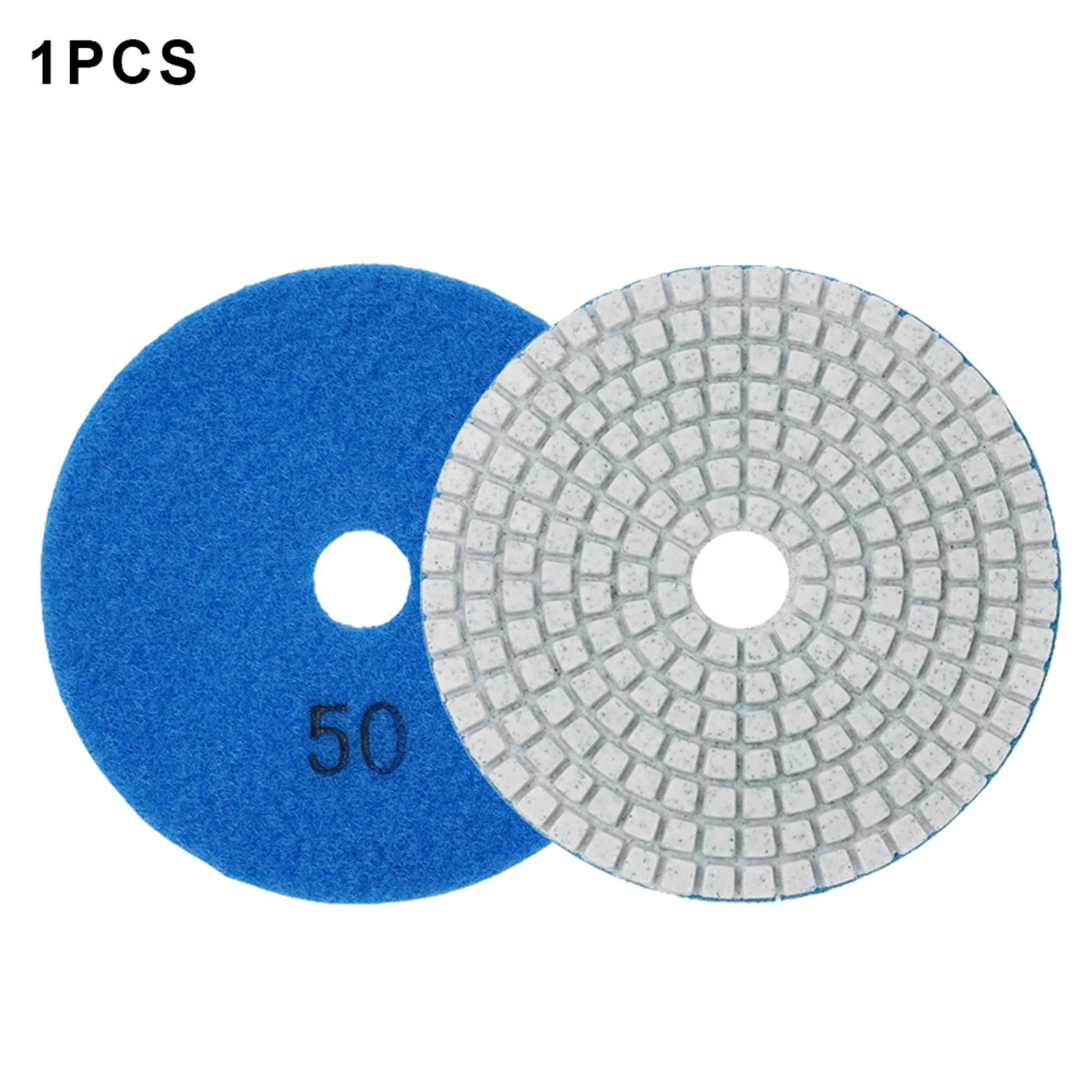
These diamond polishing pads feature an impressive grit range, starting from a very coarse 30-grit and extending to an ultra-fine 10000-grit. This comprehensive selection allows for a complete finishing process, from initial material removal and shaping to achieving a mirror-like polish. The lower grits, such as 30, 50, and 150, are crucial for aggressive stock removal, leveling uneven surfaces, and preparing the material for subsequent, finer stages. These coarser pads tackle significant imperfections with efficiency.
The implication of such a wide grit spectrum is the ability to achieve a truly professional-grade finish without needing to switch between different abrasive types. Users can systematically work through the grits, progressively refining the surface. This ensures that scratch patterns from coarser grits are effectively removed by the next finer stage, leading to a consistently smooth and reflective surface. The visual evidence of the segmented diamond pattern suggests optimized cutting and debris clearance, which is vital for maintaining abrasive efficiency.
Compared to standard silicon carbide abrasives, which quickly dull and wear down when encountering the extreme hardness of granite or concrete, diamond particles offer superior longevity and cutting power. This translates to fewer pad changes and more consistent performance throughout the project. The initial investment in diamond pads is often offset by their extended lifespan and the higher quality finish they produce on demanding materials.
Structural Integrity and Flexibility
The pads are designed with a segmented diamond abrasive surface, visible in the detailed images. This pattern is not merely aesthetic; it serves a functional purpose by creating channels for slurry or dust removal during the polishing process. The individual segments ensure that the diamond particles are effectively exposed to the workpiece, maximizing cutting efficiency while minimizing heat buildup and clogging. This design is critical for consistent performance.
Such construction implies a focus on durability and effective material processing. The gaps between segments help to dissipate heat, which is particularly important during dry polishing to prevent overheating and premature wear of the diamond bond. For wet polishing, these channels facilitate the flow of water and abrasive slurry, flushing away debris and maintaining a clean cutting action. It is a smart design choice.
Unlike solid abrasive discs that can generate excessive heat and clog quickly, the segmented design allows for more aggressive material removal without sacrificing pad life. This engineering choice directly addresses common frustrations associated with continuous abrasive surfaces. The hook-and-loop backing, evident from the images, ensures secure attachment to compatible backing pads, allowing for quick and easy grit changes during a multi-stage finishing process. This system offers convenience and efficiency.
Wet/Dry Versatility and Application Nuances
A significant feature of these pads is their wet/dry compatibility. This versatility provides users with options depending on the specific application and environmental constraints. Wet polishing is generally preferred for stone and concrete as it provides cooling, reduces dust, and produces a finer finish. The water acts as a lubricant, carrying away abrasive particles and preventing the surface from overheating, which can cause cracking or discoloration in some stone types. Minimal dust is a key benefit.
In scenarios where water access is limited or impractical, the dry polishing capability becomes invaluable. This allows for flexibility in job sites or when working on vertical surfaces where water runoff could be an issue. However, dry polishing on mineral surfaces generates substantial dust, necessitating appropriate respiratory protection and dust extraction systems. Users must prioritize safety.
This dual-use capability positions the pads as highly adaptable tools for a wide range of projects. Traditional abrasives often specialize in one method, limiting their utility. The ability to switch between wet and dry methods means a single set of pads can handle diverse job requirements, from outdoor concrete restoration to indoor marble countertop refinishing. This adaptability enhances project efficiency.
Ergonomics and User Experience
The flexibility of these pads is visually demonstrated, with a hand bending one of the discs. This pliability is crucial for achieving consistent finishes on contoured or irregular surfaces. Rigid pads tend to 'chatter' or leave uneven scratch patterns when encountering curves, whereas a flexible pad can conform to the shape of the workpiece, ensuring uniform abrasion. This flexibility is a significant advantage.
Such ergonomic design implies a smoother, more controlled polishing experience. The ability of the pad to flex reduces the risk of gouging the material, especially when working on edges or intricate designs. This also contributes to reduced user fatigue, as less force is required to maintain contact with the surface. The pad adapts to the material.
Compared to rigid grinding wheels or less flexible abrasive discs, these pads offer a superior tactile experience, allowing the user to 'feel' the surface and apply pressure more evenly. This control is paramount for achieving high-quality finishes, particularly in the finer grit stages where precision is critical. It's about achieving a perfect surface.
The Value Proposition for Hard Surface Refinement
The overall value of these diamond polishing pads lies in their capacity to deliver professional-grade results on challenging materials with enhanced efficiency and durability. The combination of a wide grit range, robust diamond segments, and wet/dry versatility makes them a cost-effective solution for anyone regularly working with stone, concrete, granite, or marble. The long-term savings from reduced pad consumption and superior finish quality quickly outweigh the initial purchase price.
These pads are an investment in capability. They allow users to tackle projects that might otherwise require specialized equipment or more labor-intensive methods. The ability to achieve a high-gloss finish on a granite countertop or smooth out rough concrete with a single set of abrasives streamlines workflows and improves project outcomes. It simplifies complex tasks.
Imagine the satisfaction of transforming a dull, scratched granite slab into a gleaming, reflective surface, or smoothing rough concrete to a touchable finish, all with a tool designed for precision and longevity. These pads empower you to achieve professional results efficiently, ensuring your stone and concrete projects stand out with a superior, enduring finish.
Key Features for Surface Mastery
Unrivaled Grit Spectrum
These pads offer a 30 to 10000 grit range, allowing for comprehensive material removal and ultra-fine polishing. This ensures every stage of surface refinement is covered, from aggressive shaping to achieving a mirror-like sheen. The user gains complete control over the finish.
Segmented Diamond Abrasive
The segmented diamond pattern on the pads optimizes cutting efficiency and heat dissipation. This design prevents clogging and ensures consistent performance, even during prolonged use on hard materials. It maintains peak abrasive action.
Wet/Dry Application Versatility
Designed for both wet and dry use, these pads adapt to various working conditions and material requirements. Wet polishing reduces dust and heat, while dry polishing offers convenience in situations where water is impractical. This adaptability is crucial.
Flexible Backing for Contours
Their inherent flexibility allows the pads to conform to curved and irregular surfaces. This prevents gouging and ensures a uniform finish across complex profiles, a critical aspect for detailed work. Smooth results are achievable.
Hook-and-Loop Attachment System
The hook-and-loop backing facilitates quick and secure attachment to compatible backing pads. This enables rapid grit changes, significantly improving workflow efficiency during multi-stage polishing projects. Downtime is minimized.
Durable Diamond Composition
Constructed with industrial-grade diamond particles, these pads offer exceptional longevity and abrasive power on mineral surfaces. They resist wear much better than conventional abrasives, providing extended operational life. This means fewer replacements.
Achieving Flawless Finishes
Optimized for Hard Materials
These pads are specifically engineered for granite, stone, concrete, and marble, providing optimal performance on these challenging surfaces. Their design ensures effective material removal and polishing without premature wear. They excel where others fail.
Reduced Clogging and Heat Buildup
The segmented design actively reduces clogging and dissipates heat, maintaining consistent cutting action. This is vital for preventing damage to the workpiece and extending the life of the pad. Efficiency is maintained.
Consistent Scratch Pattern Removal
Working through the progressive grit sequence ensures complete removal of previous scratch patterns. This methodical approach guarantees a smooth, uniform surface ready for sealing or final finishing. No imperfections remain.
Enhanced Surface Adhesion for Sealants
Proper polishing with these pads creates an ideal surface profile for sealant adhesion on stone and concrete. A well-prepared surface ensures maximum sealant penetration and longevity, protecting the material effectively. Sealants perform better.
Time and Cost Efficiency
Their durability and efficiency translate to significant time and cost savings over the lifespan of a project. Fewer pad changes and faster material processing reduce labor and consumable expenses. Projects finish quicker.
Navigating the Abrasive Landscape
Material Compatibility Check
Always verify the material you are working on. These pads are designed for hard mineral surfaces like stone and concrete. Using them on softer materials, especially wood, can cause irreparable damage due to their aggressive diamond composition. Incorrect application can be costly.
Proper Machine Pairing
Ensure the polishing pad is used with a compatible angle grinder or polisher that operates at appropriate RPMs. An improperly matched machine can lead to inefficient polishing, premature pad wear, or even dangerous operation. Match the tool correctly.
Wet Polishing Protocol
When wet polishing, maintain a steady flow of water to cool the pad and flush away slurry. This prevents overheating, reduces dust, and extends pad life. Adequate water is crucial for optimal results and safety. Keep the surface wet.
Dry Polishing Safety
For dry polishing, always wear appropriate personal protective equipment (PPE), including a respirator, safety glasses, and hearing protection. Diamond polishing on dry stone generates fine dust particles that can be hazardous if inhaled. Safety is paramount.
Progressive Grit Application
Follow a systematic progression through the grits, starting with the coarsest required and moving incrementally to the finest. Do not skip grits, as this can leave deeper scratches that are difficult to remove with finer pads. Patience yields superior results.
Post-Polishing Cleanup
After polishing, thoroughly clean the surface to remove all abrasive slurry or dust. Residue can affect the appearance of the finish or interfere with subsequent sealing treatments. A clean surface is essential.