Copper Lug Ring Wire Connectors
Official Store Deal
Expert Analysis Overview
Ensuring Uncompromised Electrical Integrity
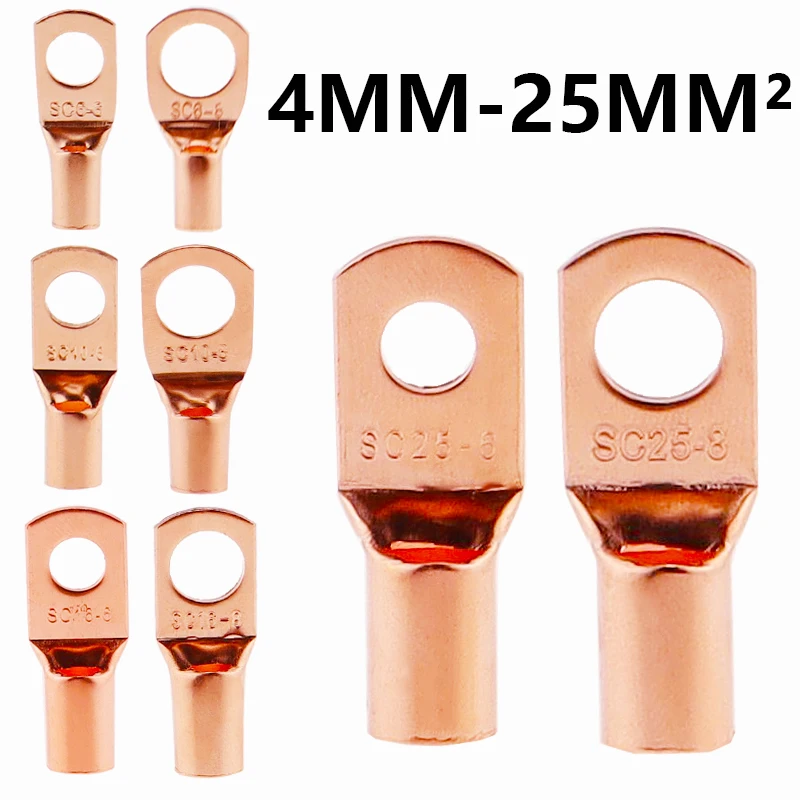
The Copper Lug Ring Wire Connectors are essential, high-conductivity termination points for robust electrical installations, specifically engineered for secure and reliable bare cable connections. These components are fundamental in establishing safe and efficient electrical pathways, preventing common failure points associated with inadequate wiring practices. The visible construction emphasizes a commitment to foundational electrical safety.The primary function of these lugs is to provide a low-resistance interface between a bare electrical conductor and a terminal block, busbar, or other connection point. Proper crimping of these lugs ensures maximum surface contact between the conductor and the lug barrel, minimizing electrical resistance and heat generation. This direct connection is critical for maintaining system efficiency and preventing potential fire hazards, a common concern with poorly terminated wiring. A secure connection is paramount.
Unlike generic stamped terminals or makeshift wiring solutions that often lead to intermittent connections or increased resistance, these solid copper lugs offer a dedicated, engineered solution. Their design facilitates a consistent and repeatable termination process, which is vital for compliance with electrical codes and standards. The use of a proper crimping tool with these lugs significantly reduces the risk of loose connections, which can degrade over time due to vibration or thermal cycling, leading to costly downtime or dangerous conditions.
Precision in Conductor Termination
The product range, indicated by markings like SC6-6, SC25-8, and the explicit mention of 4MM²-25MM² cross-sections, signifies compatibility with a wide array of common electrical cable sizes. The first number in the SC code (e.g., SC6-6) typically denotes the nominal cross-sectional area of the conductor in square millimeters, while the second number (e.g., SC6-6) indicates the bolt hole diameter in millimeters. This precise sizing ensures a snug fit for both the conductor and the mounting hardware.Accurate sizing is not merely a convenience; it is a critical safety and performance factor. Using a lug that is too large for the cable can result in an insecure crimp, leading to high resistance and potential overheating. Conversely, forcing a cable into a lug that is too small can damage the conductor strands or prevent a full insertion, compromising the connection's integrity. The availability of various sizes allows electricians to select the exact lug required for specific applications, ensuring optimal electrical contact and mechanical strength. Correct sizing prevents overheating.
Compared to universal or multi-gauge terminals that often compromise on fit for versatility, these dedicated-size copper lugs offer superior performance. Each lug is designed for a specific wire gauge, ensuring that when properly crimped, the conductor's strands are uniformly compressed, creating a gas-tight seal that resists oxidation and corrosion. This precision engineering translates directly into enhanced long-term reliability and reduced maintenance requirements for electrical systems.
The Foundation of a Secure Connection
The visible material is bare copper, a highly conductive metal known for its excellent electrical properties. Copper's low resistivity ensures minimal power loss across the connection, making these lugs ideal for applications where efficiency is critical. The robust construction of the lug barrel and ring terminal suggests a high degree of mechanical strength, capable of withstanding the forces exerted during crimping and subsequent installation.Copper's inherent conductivity is a primary reason for its widespread use in electrical connections. When properly crimped, the copper-to-copper contact between the lug and the conductor facilitates efficient current flow, minimizing voltage drop and heat generation. This material choice is particularly beneficial in high-current applications where even small increases in resistance can lead to significant energy losses and thermal stress on components. Conductivity is key.
Unlike tinned copper lugs, which offer enhanced corrosion resistance in certain environments, these bare copper lugs are optimized for maximum conductivity and cost-effectiveness in dry, indoor applications or where additional environmental protection (e.g., heat shrink tubing) will be applied. While tinned options might be preferred in marine or highly corrosive industrial settings, bare copper remains the standard for many general electrical installations due to its superior electrical performance and ease of crimping. The solid copper construction also provides a strong mechanical bond, resisting pull-out forces effectively.
Installation Best Practices
Proper installation of these copper lugs involves several critical steps to ensure a safe and reliable connection. The first step is to strip the cable insulation to the correct length, exposing enough bare conductor to fully insert into the lug barrel without any insulation entering the crimp area or bare wire extending beyond it. The cable must be clean and free of oils or contaminants.Once the cable is inserted, a suitable crimping tool must be used. The image demonstrating the crimping process highlights the importance of using a tool that matches the lug and wire gauge. Hydraulic or heavy-duty manual crimpers designed for copper lugs create the necessary pressure to deform the lug barrel around the conductor, forming a cold weld. This process ensures a permanent, low-resistance electrical and mechanical bond. Incorrect crimping can lead to a weak connection.
After crimping, a visual inspection is crucial. The crimp should appear uniform and tight, with no loose strands or signs of damage to the lug or cable. For added protection and insulation, especially in environments prone to moisture or abrasion, heat shrink tubing can be applied over the crimped connection. This final step enhances the longevity and safety of the termination, protecting it from environmental degradation and accidental contact.
Long-Term System Reliability
The consistent quality and precise sizing of these copper lugs contribute significantly to the long-term reliability of any electrical system. By minimizing resistance and ensuring robust mechanical integrity at every connection point, these components reduce the likelihood of premature failure, arc faults, and power interruptions. This reliability translates into reduced maintenance costs and increased operational uptime for critical equipment.Investing in high-quality termination hardware like these copper lugs is a proactive measure against common electrical system vulnerabilities. The cost of replacing damaged equipment or rectifying safety hazards caused by inferior connections far outweighs the initial investment in proper components. These lugs are a small but vital part of a larger system, where their performance directly impacts the overall safety and efficiency. They prevent costly failures.
Imagine an electrical panel where every connection is meticulously terminated with these high-quality copper lugs. The peace of mind knowing that each circuit is operating at peak efficiency, free from the hidden dangers of loose or corroded connections, is invaluable. This attention to detail ensures that your electrical infrastructure is not just functional, but also resilient, safe, and ready to support demanding loads for years to come, providing a foundation of unwavering power delivery.