CMCP Bi-Metal Reciprocating Saw Blades for Multi-Material Cutting
Official Store Deal
Expert Analysis Overview
The CMCP Bi-Metal Reciprocating Saw Blades are a robust cutting solution engineered for demanding demolition and construction tasks, specifically targeting professionals who require consistent performance across diverse materials.
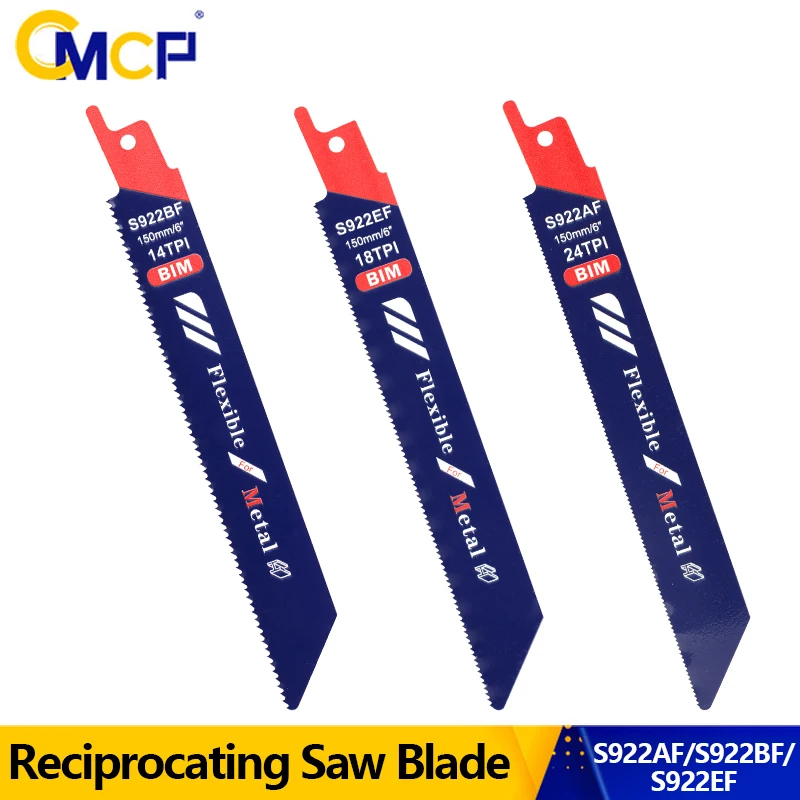
These CMCP reciprocating saw blades are constructed from Bi-Metal (BIM), a composite material combining high-speed steel (HSS) teeth with a flexible carbon steel body. This hybrid composition is visible in the distinct color transition near the teeth, indicating a fusion designed for resilience. The blades are available in various Teeth Per Inch (TPI) configurations: 14 TPI (S922EF), 18 TPI (S922BF), and 24 TPI (S922AF). Each TPI count serves a specific cutting purpose.
The Bi-Metal construction directly translates to superior longevity and shatter resistance, particularly when encountering unexpected obstacles within a cut. This material choice ensures the blades maintain their sharpness and structural integrity through repeated, high-stress applications. Less downtime for blade changes means more productive work hours.
Unlike conventional high-carbon steel (HCS) blades that are prone to snapping or quickly dulling when hitting metal, or even standard high-speed steel (HSS) blades that can be brittle, these BIM blades offer a balanced approach. They provide the cutting aggression of HSS where it counts, backed by the flexibility of carbon steel, making them a more reliable choice for mixed-material demolition.
A key feature of these blades is their optimized design, specifically the 1.0mm thin wall and precisely set teeth. The visual evidence clearly highlights this design choice, emphasizing its role in performance. This isn't just a random specification; it's a deliberate engineering decision.
This thin profile significantly reduces friction during the cut, which in turn minimizes heat buildup. Excessive heat is the enemy of blade life and cutting efficiency, often leading to premature dulling or warping. The set teeth configuration, where teeth are alternately bent left and right, ensures a wider kerf (cut width) than the blade body, preventing binding and allowing for faster chip evacuation. Cuts are smoother.
Compared to thicker, less optimized blades, this design offers a noticeable advantage in cutting speed and operator comfort. Thicker blades generate more heat and require more force to push through material, leading to increased fatigue and slower progress. The CMCP blades allow for a more fluid and less strenuous cutting action.
The visual information explicitly demonstrates the broad range of materials these blades can tackle. The "Applicable Materials" graphic showcases their capability to cut through nails, aluminum, copper, iron pipe, PP pipe, and wood. This breadth of application is a significant asset for any general contractor.
This multi-material capability means a single type of blade can often remain in the saw for an entire demolition or framing task, eliminating the need for frequent blade changes. Imagine tearing down an old wall that contains both wood studs and hidden plumbing lines or electrical conduits. One blade handles it all. This saves valuable time and reduces the clutter of carrying multiple blade types.
Standard blades are typically specialized: wood-only blades quickly fail on metal, and metal-only blades struggle with thick wood. These CMCP Bi-Metal blades bridge that gap effectively, offering a true all-around solution that outperforms single-purpose alternatives in mixed-material environments. They are a true workhorse.
The combination of Bi-Metal construction and varied TPI is particularly effective in challenging conditions, such as cutting through nail-embedded wood. The 14 TPI blade, for instance, is designed for aggressive cutting in thicker wood and demolition scenarios where nails are common. The tougher BIM teeth resist stripping and breaking.
In a real-world demolition scenario, where old framing often contains hidden nails, screws, or even small metal plates, these blades maintain their cutting edge. The flexibility of the blade body prevents catastrophic shattering when encountering these hard obstructions, allowing the user to power through without constant interruptions. This prevents frustration.
Unlike cheaper, brittle blades that lose teeth or snap upon impact with a nail, these CMCP blades are engineered to withstand such abuse. This resilience translates directly into fewer blade replacements and consistent progress on tough jobs, making them a more economical choice in the long run.
The availability of S922AF (24 TPI), S922BF (18 TPI), and S922EF (14 TPI) models allows for strategic blade selection based on the specific material and desired finish. Understanding the role of TPI is crucial for maximizing blade performance and life. Each blade has a purpose.
For instance, the 24 TPI blade is ideal for thinner metals and applications requiring a finer, cleaner cut, such as conduit or sheet metal. The 18 TPI blade offers a good balance for general-purpose metal cutting and medium-density wood. The 14 TPI blade excels in fast, aggressive cuts through thicker wood, plastics, and demolition work involving mixed materials with fasteners.
Matching the TPI to the material ensures both efficiency and blade longevity. Using a low TPI blade on thin metal will result in rough cuts and potentially bent material, while a high TPI blade on thick wood will cut slowly and generate excessive heat. The CMCP range provides the right tool for the job.
The emphasis on "LONG-LIFE TEETH" is not merely a marketing claim; it is a direct consequence of the Bi-Metal strip construction. This material choice ensures that the cutting edge remains sharp for significantly longer periods, even under heavy use. This is a critical factor for professionals.
Reduced blade changes mean less downtime, which directly impacts project timelines and labor costs. A blade that lasts longer contributes to overall project efficiency and profitability. The initial investment in a quality Bi-Metal blade is quickly recouped through its extended lifespan and consistent performance.
Compared to stocking up on numerous cheaper, less durable blades that require constant replacement, these CMCP blades offer a superior cost-per-cut. They deliver reliable performance day in and day out, minimizing unexpected interruptions and keeping projects on schedule. This is smart purchasing.
Imagine the satisfaction of effortlessly slicing through a stubborn metal pipe or powering through old, nail-ridden lumber without a hitch. These blades empower you to tackle the toughest demolition and construction challenges with confidence, knowing your tools will perform reliably. They provide the capability to complete demanding tasks efficiently, transforming frustrating material encounters into smooth, productive work. Your projects will progress faster, and your efforts will yield cleaner, more consistent results.
Engineered for Enduring Performance
These CMCP reciprocating saw blades are constructed from Bi-Metal (BIM), a composite material combining high-speed steel (HSS) teeth with a flexible carbon steel body. This hybrid composition is visible in the distinct color transition near the teeth, indicating a fusion designed for resilience. The blades are available in various Teeth Per Inch (TPI) configurations: 14 TPI (S922EF), 18 TPI (S922BF), and 24 TPI (S922AF). Each TPI count serves a specific cutting purpose.
The Bi-Metal construction directly translates to superior longevity and shatter resistance, particularly when encountering unexpected obstacles within a cut. This material choice ensures the blades maintain their sharpness and structural integrity through repeated, high-stress applications. Less downtime for blade changes means more productive work hours.
Unlike conventional high-carbon steel (HCS) blades that are prone to snapping or quickly dulling when hitting metal, or even standard high-speed steel (HSS) blades that can be brittle, these BIM blades offer a balanced approach. They provide the cutting aggression of HSS where it counts, backed by the flexibility of carbon steel, making them a more reliable choice for mixed-material demolition.
Optimized Geometry for Efficient Material Removal
A key feature of these blades is their optimized design, specifically the 1.0mm thin wall and precisely set teeth. The visual evidence clearly highlights this design choice, emphasizing its role in performance. This isn't just a random specification; it's a deliberate engineering decision.
This thin profile significantly reduces friction during the cut, which in turn minimizes heat buildup. Excessive heat is the enemy of blade life and cutting efficiency, often leading to premature dulling or warping. The set teeth configuration, where teeth are alternately bent left and right, ensures a wider kerf (cut width) than the blade body, preventing binding and allowing for faster chip evacuation. Cuts are smoother.
Compared to thicker, less optimized blades, this design offers a noticeable advantage in cutting speed and operator comfort. Thicker blades generate more heat and require more force to push through material, leading to increased fatigue and slower progress. The CMCP blades allow for a more fluid and less strenuous cutting action.
Unmatched Versatility Across Job Sites
The visual information explicitly demonstrates the broad range of materials these blades can tackle. The "Applicable Materials" graphic showcases their capability to cut through nails, aluminum, copper, iron pipe, PP pipe, and wood. This breadth of application is a significant asset for any general contractor.
This multi-material capability means a single type of blade can often remain in the saw for an entire demolition or framing task, eliminating the need for frequent blade changes. Imagine tearing down an old wall that contains both wood studs and hidden plumbing lines or electrical conduits. One blade handles it all. This saves valuable time and reduces the clutter of carrying multiple blade types.
Standard blades are typically specialized: wood-only blades quickly fail on metal, and metal-only blades struggle with thick wood. These CMCP Bi-Metal blades bridge that gap effectively, offering a true all-around solution that outperforms single-purpose alternatives in mixed-material environments. They are a true workhorse.
Performance in Challenging Scenarios
The combination of Bi-Metal construction and varied TPI is particularly effective in challenging conditions, such as cutting through nail-embedded wood. The 14 TPI blade, for instance, is designed for aggressive cutting in thicker wood and demolition scenarios where nails are common. The tougher BIM teeth resist stripping and breaking.
In a real-world demolition scenario, where old framing often contains hidden nails, screws, or even small metal plates, these blades maintain their cutting edge. The flexibility of the blade body prevents catastrophic shattering when encountering these hard obstructions, allowing the user to power through without constant interruptions. This prevents frustration.
Unlike cheaper, brittle blades that lose teeth or snap upon impact with a nail, these CMCP blades are engineered to withstand such abuse. This resilience translates directly into fewer blade replacements and consistent progress on tough jobs, making them a more economical choice in the long run.
Strategic Blade Selection for Optimal Results
The availability of S922AF (24 TPI), S922BF (18 TPI), and S922EF (14 TPI) models allows for strategic blade selection based on the specific material and desired finish. Understanding the role of TPI is crucial for maximizing blade performance and life. Each blade has a purpose.
For instance, the 24 TPI blade is ideal for thinner metals and applications requiring a finer, cleaner cut, such as conduit or sheet metal. The 18 TPI blade offers a good balance for general-purpose metal cutting and medium-density wood. The 14 TPI blade excels in fast, aggressive cuts through thicker wood, plastics, and demolition work involving mixed materials with fasteners.
Matching the TPI to the material ensures both efficiency and blade longevity. Using a low TPI blade on thin metal will result in rough cuts and potentially bent material, while a high TPI blade on thick wood will cut slowly and generate excessive heat. The CMCP range provides the right tool for the job.
Long-Term Value and Reliability
The emphasis on "LONG-LIFE TEETH" is not merely a marketing claim; it is a direct consequence of the Bi-Metal strip construction. This material choice ensures that the cutting edge remains sharp for significantly longer periods, even under heavy use. This is a critical factor for professionals.
Reduced blade changes mean less downtime, which directly impacts project timelines and labor costs. A blade that lasts longer contributes to overall project efficiency and profitability. The initial investment in a quality Bi-Metal blade is quickly recouped through its extended lifespan and consistent performance.
Compared to stocking up on numerous cheaper, less durable blades that require constant replacement, these CMCP blades offer a superior cost-per-cut. They deliver reliable performance day in and day out, minimizing unexpected interruptions and keeping projects on schedule. This is smart purchasing.
Imagine the satisfaction of effortlessly slicing through a stubborn metal pipe or powering through old, nail-ridden lumber without a hitch. These blades empower you to tackle the toughest demolition and construction challenges with confidence, knowing your tools will perform reliably. They provide the capability to complete demanding tasks efficiently, transforming frustrating material encounters into smooth, productive work. Your projects will progress faster, and your efforts will yield cleaner, more consistent results.