Chainsaw Piston Stop Tool
Official Store Deal
Expert Analysis Overview
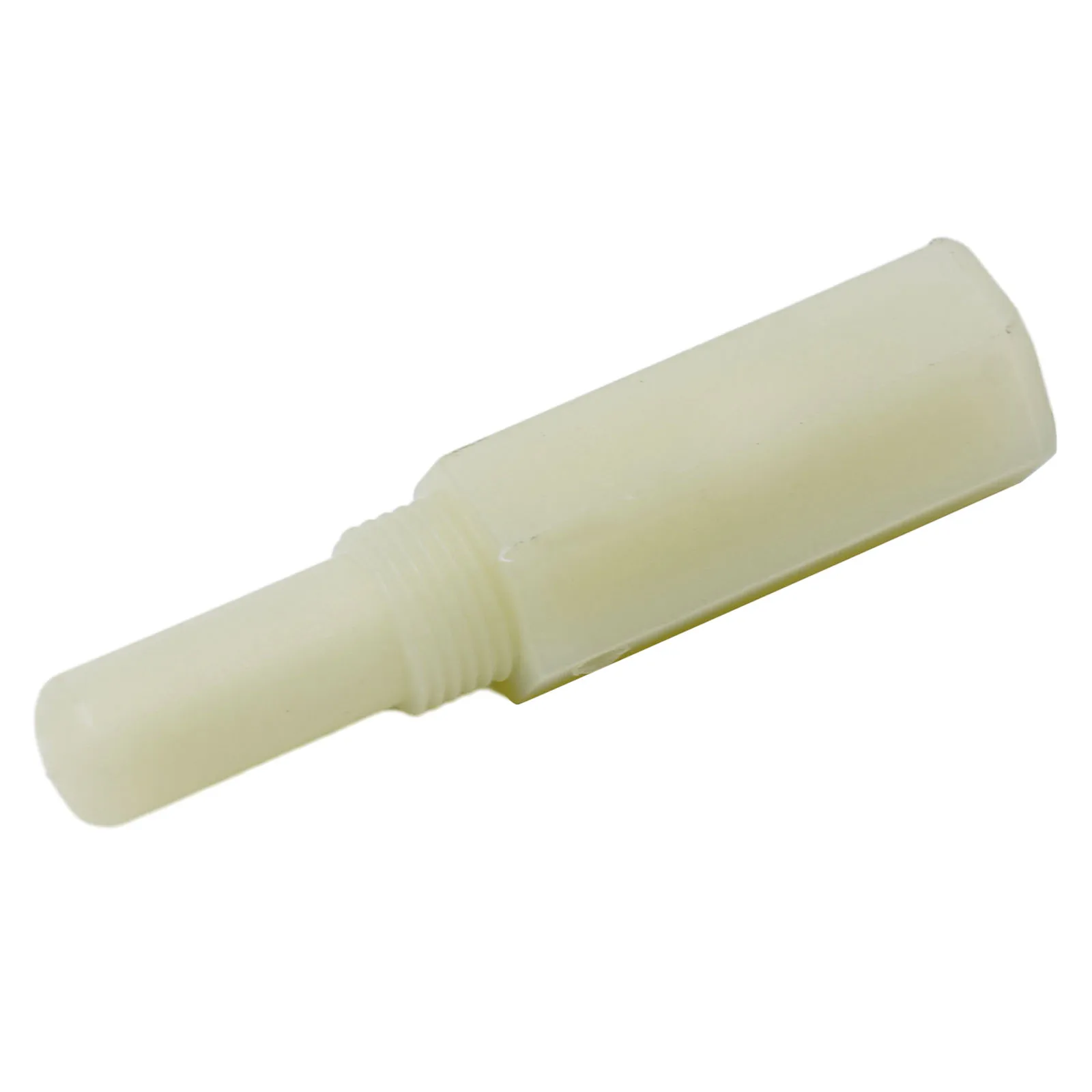
The Chainsaw Piston Stop Tool is an essential, straightforward accessory designed for reliable engine maintenance across various chainsaw models. This component, primarily crafted from a durable, off-white polymer, provides a critical function in securing the engine's piston, enabling safe and effective servicing of other internal parts. Its simple yet effective design makes it an indispensable item for both professional technicians and home users engaged in chainsaw repair or routine upkeep. The tool's dimensions, approximately 13mm in diameter, 72mm in length, and 10mm at its narrowest point, indicate a universal fit for many common chainsaw spark plug ports. This allows for broad compatibility. The threaded section ensures a secure, non-damaging engagement with the engine block.
This piston stop tool functions by threading into the spark plug hole, physically blocking the piston's upward movement. The visual evidence confirms a robust thread pattern, suggesting a secure fit. This physical impedance is crucial. It prevents the crankshaft from rotating when torque is applied to components such as the clutch, flywheel, or sprocket, which often require significant force for removal or installation.
When a chainsaw engine requires service, especially for parts connected directly to the crankshaft, preventing rotational movement is paramount. Without a piston stop, attempting to loosen or tighten these components can result in the crankshaft simply spinning, making the task impossible. The tool provides a solid anchor point. This ensures that all applied force translates directly to the fastener, not to the engine's internal rotation.
Compared to makeshift methods like stuffing rope into the cylinder – a common but risky practice – a dedicated piston stop offers superior safety and precision. Rope can fray, leave debris inside the cylinder, or compress unevenly, potentially damaging the piston or cylinder walls. This purpose-built tool eliminates such risks. Its design is engineered for direct, reliable contact, safeguarding internal engine components from accidental damage during high-torque operations.
Constructed from a light-colored, presumably high-density plastic or nylon composite, the piston stop is designed to be firm yet forgiving. The material choice is deliberate. It provides sufficient rigidity to halt the piston's travel without causing abrasive damage to the piston crown or cylinder head, which a metal tool might inflict. This protective quality is vital for engine health.
The visible texture of the material appears smooth, indicating a well-molded component with minimal surface imperfections. This finish contributes to easy insertion and removal, reducing the likelihood of binding within the spark plug port. The overall form factor suggests a solid, single-piece construction, which enhances its structural integrity during use. A solid build reduces failure points.
Unlike metallic alternatives, which can scratch or mar aluminum engine components if mishandled, this polymer version acts as a sacrificial part. Should excessive force be applied, the plastic is more likely to deform or break before the engine's more expensive metal parts sustain damage. This design philosophy protects the primary asset: the chainsaw engine itself. It represents a smart engineering compromise, prioritizing engine safety over tool indestructibility.
The tool's design, featuring a threaded end and a tapered piston-contacting surface, implies broad compatibility with various chainsaw models. Its standardized dimensions align with common spark plug thread sizes found in most two-stroke small engines. This makes it a highly adaptable accessory. Users can rely on it for a range of tasks.
For instance, if a user needs to replace a worn clutch or a damaged sprocket, the piston stop is the first tool to reach for after removing the spark plug. It provides the necessary counter-force to loosen the often tightly secured clutch nut. Similarly, when servicing the flywheel, which can be notoriously difficult to remove without proper counter-tension, this tool simplifies the process. It holds the engine steady.
This universal approach to design contrasts with highly specialized tools that only fit a single brand or model. While some professional shops might invest in model-specific tools for high-volume work, the general user or small repair shop benefits greatly from a widely compatible piston stop. It reduces the need for multiple tools. This single accessory handles a multitude of common repair scenarios, offering significant utility and value.
Acquiring a tool like this piston stop represents a minimal investment that can prevent significantly larger expenses. The cost of replacing a damaged piston, cylinder, or even an entire engine due to improper maintenance techniques far outweighs the price of this simple accessory. It is a cost-effective preventative measure.
Consider the scenario where a chainsaw clutch seizes or a flywheel key shears. Without a proper piston stop, attempting to force these components off could strip threads, bend connecting rods, or crack engine casings. Such damage could render the chainsaw irreparable or require costly professional repairs. This tool mitigates those risks. It ensures that repairs are performed correctly and safely, extending the lifespan of the chainsaw.
Unlike purchasing a new, expensive chainsaw unit, which becomes necessary if an engine is ruined, this small part allows for the restoration and continued use of existing equipment. It embodies the 'repair, don't replace' philosophy, supporting sustainable maintenance practices. This tool empowers users to perform their own repairs with confidence, saving money on labor costs and prolonging the life of their valuable power tools. It's a smart addition to any toolkit.
This piston stop tool empowers the home mechanic to tackle complex chainsaw repairs with confidence. Its straightforward application demystifies tasks that might otherwise seem daunting. The tool simplifies engine work. Users can confidently perform maintenance, knowing their engine is protected.
Imagine the satisfaction of successfully replacing a worn clutch or a damaged flywheel, tasks that once seemed beyond reach. This tool makes those repairs accessible. It removes a significant barrier to DIY chainsaw maintenance, fostering a sense of accomplishment and self-reliance. The process becomes less intimidating.
With this piston stop in hand, future chainsaw maintenance becomes a manageable routine, not a dreaded chore. The tool ensures that critical engine components are handled with care, preserving the chainsaw's performance and extending its operational life. It's an investment in the longevity and reliability of your power equipment, allowing for years of continued, trouble-free operation. This simple accessory keeps your chainsaw running strong, ready for any task. The peace of mind it offers is invaluable for any chainsaw owner. It truly is a small tool with a big impact on maintenance quality. This ensures your equipment remains a reliable workhorse for seasons to come.
Securing the Engine's Core
This piston stop tool functions by threading into the spark plug hole, physically blocking the piston's upward movement. The visual evidence confirms a robust thread pattern, suggesting a secure fit. This physical impedance is crucial. It prevents the crankshaft from rotating when torque is applied to components such as the clutch, flywheel, or sprocket, which often require significant force for removal or installation.
When a chainsaw engine requires service, especially for parts connected directly to the crankshaft, preventing rotational movement is paramount. Without a piston stop, attempting to loosen or tighten these components can result in the crankshaft simply spinning, making the task impossible. The tool provides a solid anchor point. This ensures that all applied force translates directly to the fastener, not to the engine's internal rotation.
Compared to makeshift methods like stuffing rope into the cylinder – a common but risky practice – a dedicated piston stop offers superior safety and precision. Rope can fray, leave debris inside the cylinder, or compress unevenly, potentially damaging the piston or cylinder walls. This purpose-built tool eliminates such risks. Its design is engineered for direct, reliable contact, safeguarding internal engine components from accidental damage during high-torque operations.
Material Integrity and Longevity
Constructed from a light-colored, presumably high-density plastic or nylon composite, the piston stop is designed to be firm yet forgiving. The material choice is deliberate. It provides sufficient rigidity to halt the piston's travel without causing abrasive damage to the piston crown or cylinder head, which a metal tool might inflict. This protective quality is vital for engine health.
The visible texture of the material appears smooth, indicating a well-molded component with minimal surface imperfections. This finish contributes to easy insertion and removal, reducing the likelihood of binding within the spark plug port. The overall form factor suggests a solid, single-piece construction, which enhances its structural integrity during use. A solid build reduces failure points.
Unlike metallic alternatives, which can scratch or mar aluminum engine components if mishandled, this polymer version acts as a sacrificial part. Should excessive force be applied, the plastic is more likely to deform or break before the engine's more expensive metal parts sustain damage. This design philosophy protects the primary asset: the chainsaw engine itself. It represents a smart engineering compromise, prioritizing engine safety over tool indestructibility.
Versatility in Application
The tool's design, featuring a threaded end and a tapered piston-contacting surface, implies broad compatibility with various chainsaw models. Its standardized dimensions align with common spark plug thread sizes found in most two-stroke small engines. This makes it a highly adaptable accessory. Users can rely on it for a range of tasks.
For instance, if a user needs to replace a worn clutch or a damaged sprocket, the piston stop is the first tool to reach for after removing the spark plug. It provides the necessary counter-force to loosen the often tightly secured clutch nut. Similarly, when servicing the flywheel, which can be notoriously difficult to remove without proper counter-tension, this tool simplifies the process. It holds the engine steady.
This universal approach to design contrasts with highly specialized tools that only fit a single brand or model. While some professional shops might invest in model-specific tools for high-volume work, the general user or small repair shop benefits greatly from a widely compatible piston stop. It reduces the need for multiple tools. This single accessory handles a multitude of common repair scenarios, offering significant utility and value.
Value Proposition and Investment Protection
Acquiring a tool like this piston stop represents a minimal investment that can prevent significantly larger expenses. The cost of replacing a damaged piston, cylinder, or even an entire engine due to improper maintenance techniques far outweighs the price of this simple accessory. It is a cost-effective preventative measure.
Consider the scenario where a chainsaw clutch seizes or a flywheel key shears. Without a proper piston stop, attempting to force these components off could strip threads, bend connecting rods, or crack engine casings. Such damage could render the chainsaw irreparable or require costly professional repairs. This tool mitigates those risks. It ensures that repairs are performed correctly and safely, extending the lifespan of the chainsaw.
Unlike purchasing a new, expensive chainsaw unit, which becomes necessary if an engine is ruined, this small part allows for the restoration and continued use of existing equipment. It embodies the 'repair, don't replace' philosophy, supporting sustainable maintenance practices. This tool empowers users to perform their own repairs with confidence, saving money on labor costs and prolonging the life of their valuable power tools. It's a smart addition to any toolkit.
Empowering the Home Mechanic
This piston stop tool empowers the home mechanic to tackle complex chainsaw repairs with confidence. Its straightforward application demystifies tasks that might otherwise seem daunting. The tool simplifies engine work. Users can confidently perform maintenance, knowing their engine is protected.
Imagine the satisfaction of successfully replacing a worn clutch or a damaged flywheel, tasks that once seemed beyond reach. This tool makes those repairs accessible. It removes a significant barrier to DIY chainsaw maintenance, fostering a sense of accomplishment and self-reliance. The process becomes less intimidating.
With this piston stop in hand, future chainsaw maintenance becomes a manageable routine, not a dreaded chore. The tool ensures that critical engine components are handled with care, preserving the chainsaw's performance and extending its operational life. It's an investment in the longevity and reliability of your power equipment, allowing for years of continued, trouble-free operation. This simple accessory keeps your chainsaw running strong, ready for any task. The peace of mind it offers is invaluable for any chainsaw owner. It truly is a small tool with a big impact on maintenance quality. This ensures your equipment remains a reliable workhorse for seasons to come.