BIGTREETECH Panda Sense Temperature Humidity Sensor
Official Store Deal
Expert Analysis Overview
The BIGTREETECH Panda Sense Temperature Humidity Sensor is a specialized environmental monitoring device tailored for 3D printing enthusiasts and professionals seeking precise control over their print environments. This compact unit integrates seamlessly into existing BIGTREETECH ecosystems, particularly with the Panda Touch display, offering real-time data crucial for consistent print quality. Understanding the ambient conditions around a 3D printer is not merely a luxury; it is a fundamental aspect of successful additive manufacturing, especially when working with sensitive filaments. The Panda Sense addresses this need directly.
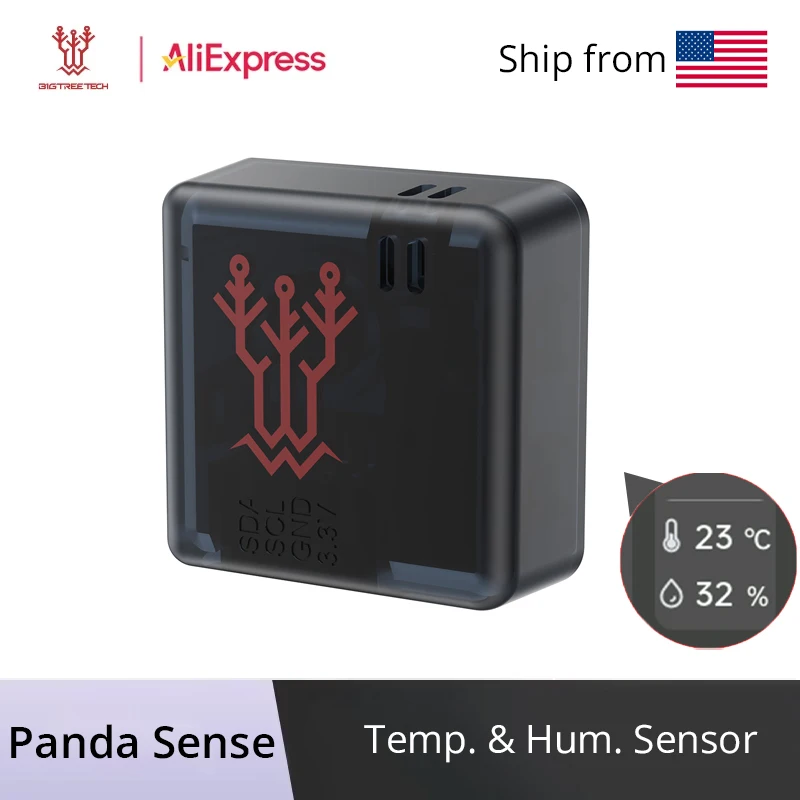
The sensor visibly presents current temperature and humidity readings, often displayed prominently on a companion screen like the Panda Touch. These readings are critical. Printers operate best within specific environmental parameters. The visual feedback provides immediate insight into the current state of the printing area.
Such direct data empowers users to make informed decisions. Imagine a scenario where a print repeatedly fails due to warping or layer adhesion issues. Without precise environmental data, troubleshooting becomes a frustrating guessing game. This sensor eliminates that guesswork, providing actionable metrics to adjust the printing environment, whether through an enclosure, dehumidifier, or heater. It removes uncertainty.
Compared to rudimentary environmental monitoring solutions, or simply relying on generic room thermostats, the Panda Sense offers localized, real-time data. Generic sensors often provide ambient room conditions which may not accurately reflect the microclimate directly surrounding the print bed. This focused data is far more relevant for fine-tuning print settings.
Included in the package are the Panda Sense unit, a dedicated Panda Sense Dock, and a Panda Sense Touch compatibility piece, alongside a connecting cable and various mounting hardware. This comprehensive set implies a design for integrated connectivity. The dock ensures a stable physical and electrical connection. The cable facilitates flexible placement within an enclosure.
This integration allows for a centralized data display, particularly with the BIGTREETECH Panda Touch screen. Users benefit from having environmental metrics readily available alongside their printer controls. No separate apps or devices are needed. This streamlines the monitoring process. The system becomes a cohesive unit.
Unlike standalone Bluetooth or Wi-Fi sensors that require separate applications or external power, the Panda Sense is designed to be part of an integrated 3D printing control ecosystem. This approach simplifies setup and reduces clutter, making it a more elegant solution for a dedicated print station. It is a cleaner setup.
The sensor unit itself features a matte black enclosure, indicating a robust and discreet design. Its compact dimensions, approximately 27.98mm x 27.95mm x 11.10mm, allow for unobtrusive placement within even cramped printer enclosures. The small form factor is a significant advantage. This ensures it does not interfere with print head movement or material paths.
The implied durability of the enclosure suggests it can withstand the typical heat and vibrations associated with 3D printing environments. The finish appears resistant to smudges. A solid build is evident. This attention to physical design means the sensor is not just a delicate instrument but a practical tool for a workshop. It withstands daily use.
Many generic sensors might offer similar functionality but often lack the integrated mounting options or the compact, purpose-built housing. The inclusion of heat-set inserts and various screws demonstrates a commitment to secure and flexible installation, making it superior to makeshift mounting solutions. Users can install it reliably.
The provision of M3 and M2.5 screws, along with heat-set inserts, speaks volumes about the product's alignment with the maker community. These components are standard in 3D printer modifications and custom enclosure builds. It encourages personalization. This makes the sensor highly adaptable to various setups, from basic enclosures to highly customized print farms.
For tinkerers, the ability to securely mount the sensor in a custom-printed bracket or integrate it into an existing enclosure without resorting to adhesives is invaluable. The hardware facilitates clean installations. This fosters experimentation with optimal sensor placement. The community often shares custom designs. Its open nature supports modifications.
Unlike many off-the-shelf smart home sensors, the Panda Sense is clearly designed with the 3D printing ecosystem in mind, allowing for a level of physical integration that generic devices simply cannot match. This focus on compatibility with common maker practices makes it a preferred choice for those who enjoy modifying and improving their machines. It truly fits the niche.
The core function of the Panda Sense is to provide accurate temperature and humidity readings. These measurements directly influence the success rate of 3D prints. High humidity can cause issues like stringing, bubbling, and poor layer adhesion, especially with hygroscopic filaments like PETG, Nylon, and ABS. Temperature fluctuations can lead to warping or cracking in larger prints. Accurate data prevents these problems.
Monitoring these parameters allows users to maintain a stable environment. This is crucial for achieving consistent print results, reducing material waste, and saving valuable printing time. A stable environment translates directly to higher quality parts. It reduces failed prints significantly. The sensor provides the necessary data to achieve this stability.
Without such a sensor, users might experience intermittent print failures, attributing them to slicer settings or mechanical issues when the true culprit is environmental. The Panda Sense provides a clear diagnostic tool, distinguishing environmental factors from other variables. This diagnostic capability is invaluable. It pinpoints environmental issues.
Priced at approximately 16.63 USD, the Panda Sense represents a cost-effective investment for enhancing 3D print quality and consistency. Considering the cost of failed prints and wasted filament, the sensor offers a strong return on investment. It is an affordable upgrade. The financial outlay is minimal.
Failed prints, particularly with expensive engineering filaments, can quickly accumulate costs far exceeding the price of this sensor. By providing the data needed to prevent these failures, the Panda Sense becomes an economical tool for any serious 3D printer owner. It saves money in the long run. This preventative measure is smart.
Compared to the frustration and material loss from inconsistent environmental conditions, the Panda Sense offers peace of mind and tangible improvements in print success rates. It is an essential addition for anyone looking to optimize their 3D printing workflow beyond basic machine calibration. The value is clear.
Imagine a printing setup where environmental conditions are no longer a variable, but a controlled constant. This sensor enables consistent, high-quality prints, reducing the frustration of failed jobs and maximizing the potential of specialized filaments. Envision a workshop where every print starts with confidence, knowing the ambient temperature and humidity are perfectly dialed in for success. The Panda Sense delivers that capability, allowing for more ambitious projects and fewer wasted hours. This level of control changes everything.
Cultivating the Optimal Print Climate
The sensor visibly presents current temperature and humidity readings, often displayed prominently on a companion screen like the Panda Touch. These readings are critical. Printers operate best within specific environmental parameters. The visual feedback provides immediate insight into the current state of the printing area.
Such direct data empowers users to make informed decisions. Imagine a scenario where a print repeatedly fails due to warping or layer adhesion issues. Without precise environmental data, troubleshooting becomes a frustrating guessing game. This sensor eliminates that guesswork, providing actionable metrics to adjust the printing environment, whether through an enclosure, dehumidifier, or heater. It removes uncertainty.
Compared to rudimentary environmental monitoring solutions, or simply relying on generic room thermostats, the Panda Sense offers localized, real-time data. Generic sensors often provide ambient room conditions which may not accurately reflect the microclimate directly surrounding the print bed. This focused data is far more relevant for fine-tuning print settings.
Integrating with the Digital Workshop
Included in the package are the Panda Sense unit, a dedicated Panda Sense Dock, and a Panda Sense Touch compatibility piece, alongside a connecting cable and various mounting hardware. This comprehensive set implies a design for integrated connectivity. The dock ensures a stable physical and electrical connection. The cable facilitates flexible placement within an enclosure.
This integration allows for a centralized data display, particularly with the BIGTREETECH Panda Touch screen. Users benefit from having environmental metrics readily available alongside their printer controls. No separate apps or devices are needed. This streamlines the monitoring process. The system becomes a cohesive unit.
Unlike standalone Bluetooth or Wi-Fi sensors that require separate applications or external power, the Panda Sense is designed to be part of an integrated 3D printing control ecosystem. This approach simplifies setup and reduces clutter, making it a more elegant solution for a dedicated print station. It is a cleaner setup.
Crafting a Durable and Adaptable Footprint
The sensor unit itself features a matte black enclosure, indicating a robust and discreet design. Its compact dimensions, approximately 27.98mm x 27.95mm x 11.10mm, allow for unobtrusive placement within even cramped printer enclosures. The small form factor is a significant advantage. This ensures it does not interfere with print head movement or material paths.
The implied durability of the enclosure suggests it can withstand the typical heat and vibrations associated with 3D printing environments. The finish appears resistant to smudges. A solid build is evident. This attention to physical design means the sensor is not just a delicate instrument but a practical tool for a workshop. It withstands daily use.
Many generic sensors might offer similar functionality but often lack the integrated mounting options or the compact, purpose-built housing. The inclusion of heat-set inserts and various screws demonstrates a commitment to secure and flexible installation, making it superior to makeshift mounting solutions. Users can install it reliably.
The Maker's Edge: Customization and Community Synergy
The provision of M3 and M2.5 screws, along with heat-set inserts, speaks volumes about the product's alignment with the maker community. These components are standard in 3D printer modifications and custom enclosure builds. It encourages personalization. This makes the sensor highly adaptable to various setups, from basic enclosures to highly customized print farms.
For tinkerers, the ability to securely mount the sensor in a custom-printed bracket or integrate it into an existing enclosure without resorting to adhesives is invaluable. The hardware facilitates clean installations. This fosters experimentation with optimal sensor placement. The community often shares custom designs. Its open nature supports modifications.
Unlike many off-the-shelf smart home sensors, the Panda Sense is clearly designed with the 3D printing ecosystem in mind, allowing for a level of physical integration that generic devices simply cannot match. This focus on compatibility with common maker practices makes it a preferred choice for those who enjoy modifying and improving their machines. It truly fits the niche.
Precision for Print Reliability
The core function of the Panda Sense is to provide accurate temperature and humidity readings. These measurements directly influence the success rate of 3D prints. High humidity can cause issues like stringing, bubbling, and poor layer adhesion, especially with hygroscopic filaments like PETG, Nylon, and ABS. Temperature fluctuations can lead to warping or cracking in larger prints. Accurate data prevents these problems.
Monitoring these parameters allows users to maintain a stable environment. This is crucial for achieving consistent print results, reducing material waste, and saving valuable printing time. A stable environment translates directly to higher quality parts. It reduces failed prints significantly. The sensor provides the necessary data to achieve this stability.
Without such a sensor, users might experience intermittent print failures, attributing them to slicer settings or mechanical issues when the true culprit is environmental. The Panda Sense provides a clear diagnostic tool, distinguishing environmental factors from other variables. This diagnostic capability is invaluable. It pinpoints environmental issues.
Value Proposition for the Enthusiast
Priced at approximately 16.63 USD, the Panda Sense represents a cost-effective investment for enhancing 3D print quality and consistency. Considering the cost of failed prints and wasted filament, the sensor offers a strong return on investment. It is an affordable upgrade. The financial outlay is minimal.
Failed prints, particularly with expensive engineering filaments, can quickly accumulate costs far exceeding the price of this sensor. By providing the data needed to prevent these failures, the Panda Sense becomes an economical tool for any serious 3D printer owner. It saves money in the long run. This preventative measure is smart.
Compared to the frustration and material loss from inconsistent environmental conditions, the Panda Sense offers peace of mind and tangible improvements in print success rates. It is an essential addition for anyone looking to optimize their 3D printing workflow beyond basic machine calibration. The value is clear.
Imagine a printing setup where environmental conditions are no longer a variable, but a controlled constant. This sensor enables consistent, high-quality prints, reducing the frustration of failed jobs and maximizing the potential of specialized filaments. Envision a workshop where every print starts with confidence, knowing the ambient temperature and humidity are perfectly dialed in for success. The Panda Sense delivers that capability, allowing for more ambitious projects and fewer wasted hours. This level of control changes everything.