BIGTREETECH Panda Lux LED Light Bar Kit
Official Store Deal
Expert Analysis Overview
The BIGTREETECH Panda Lux LED Light Bar Kit is a purpose-built illumination upgrade designed for Bambu Lab 3D printers, particularly the P1, X1, and A1 series. This kit addresses the critical need for clear, consistent lighting within the printer's build chamber, a common oversight in many stock 3D printer designs. For STEM educators and students, optimal visibility during the printing process is not merely a convenience; it is a fundamental requirement for effective learning, error identification, and successful project completion. This light bar, with its integrated design and magnetic installation, offers a significant enhancement over basic aftermarket lighting solutions, providing a focused, bright environment for monitoring intricate print layers and ensuring quality control.
The core function of the Panda Lux LED Light Bar is to provide superior illumination. It features a strip of high-efficiency LEDs, strategically spaced to deliver uniform light across the entire print bed. This ensures that every detail of a print, from the initial adhesion of the first layer to the delicate intricacies of the final passes, is clearly visible. Poor lighting often leads to squinting, straining, and missed print anomalies, which can be particularly frustrating for students new to 3D printing. A well-lit workspace fosters better observation skills.
Observing the print in real-time allows for immediate identification of common issues like warping, stringing, or layer shifts. Without adequate lighting, these problems can go unnoticed until the print is significantly compromised, leading to wasted filament and lost time. The bright, neutral white light emitted by the Panda Lux kit minimizes shadows, providing a true representation of the print's progress. This direct visual feedback is invaluable for troubleshooting and understanding the mechanics of additive manufacturing, making it an essential tool in any educational setting.
Compared to ambient room lighting or the often dim, inconsistent illumination from a printer's small, built-in LED, the Panda Lux offers a professional-grade lighting solution. It transforms the printer's interior into a brightly lit stage, making it easier to capture time-lapse videos or simply observe the magic of 3D printing unfold. This enhanced visibility directly translates to a more engaging and less frustrating learning experience for students, allowing them to focus on the principles of design and fabrication rather than struggling to see their work.
Installation simplicity is a hallmark of the Panda Lux LED Light Bar. The kit utilizes a magnetic attachment system, allowing it to snap securely into place within the metal framework of compatible Bambu Lab printers. This eliminates the need for drilling, adhesives, or complex mounting hardware, making it an ideal solution for classrooms or shared workshop environments where modifications to equipment need to be minimal and reversible. The magnetic hold is surprisingly strong. It ensures the light bar remains stable even during the printer's rapid movements.
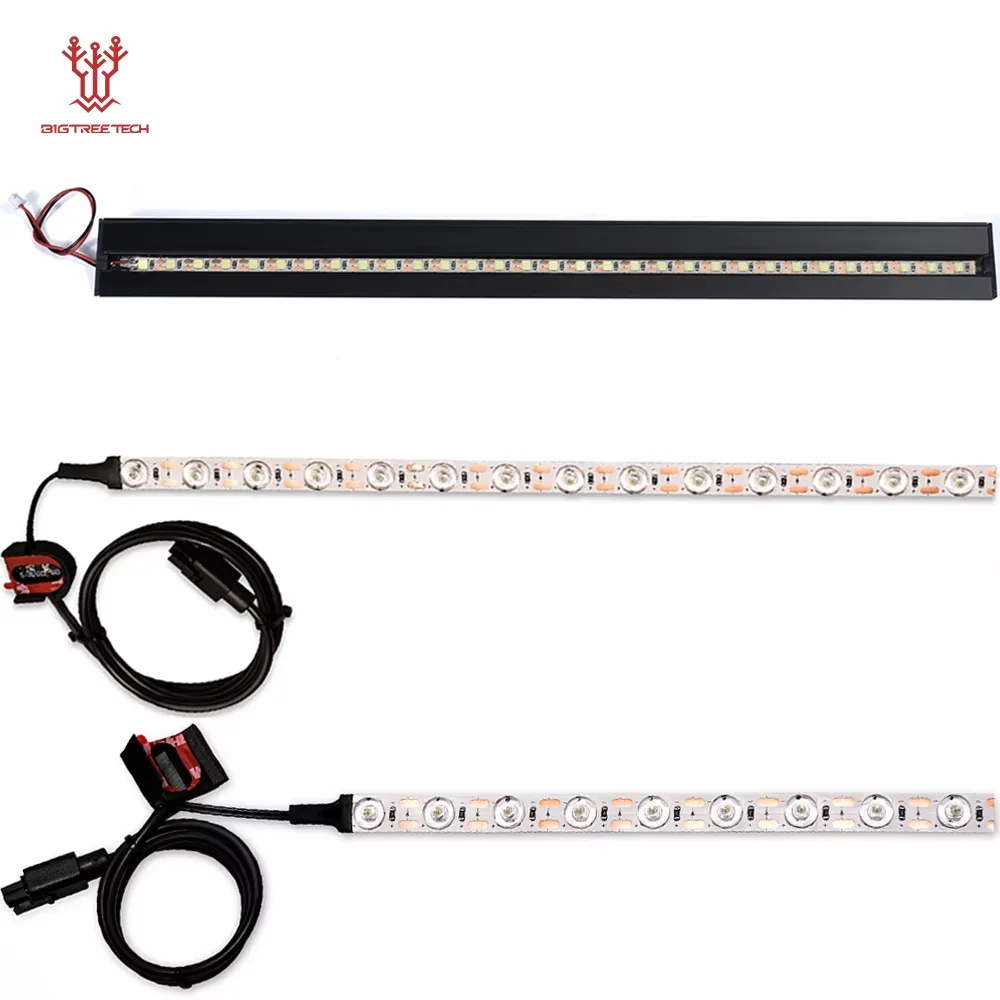
The light bar itself is housed within a sleek aluminum alloy casing. This material choice is not merely aesthetic; it serves a crucial functional purpose. Aluminum is an excellent heat conductor, effectively dissipating any heat generated by the LEDs, which contributes to the longevity of the light strip and maintains a stable temperature within the printer's enclosure. The matte black finish of the casing observed in the visual input suggests a durable, non-reflective surface that blends seamlessly with the printer's existing design, avoiding any distracting glare.
Unlike generic LED strips that often rely on weak adhesive backing or flimsy plastic channels, the Panda Lux's aluminum construction provides superior rigidity and protection. This robust build quality means the light bar can withstand the minor bumps and jostles common in a busy classroom or lab without bending or breaking. The integrated wiring and connectors are designed for a plug-and-play experience, connecting directly to the printer's internal power supply, which simplifies cable management and ensures a clean, professional setup. This thoughtful engineering reduces potential points of failure and makes the kit incredibly user-friendly, even for those with limited technical experience.
For STEM educators, ensuring a safe and efficient learning environment is paramount. The Panda Lux LED Light Bar contributes to both. By providing clear visibility, it reduces the need for students to open the printer door frequently to check on a print, thereby minimizing exposure to potentially hot components or moving parts. The low voltage operation of the LED strip also presents a minimal electrical hazard, aligning with general classroom safety protocols. This is a simple safety upgrade.
Furthermore, the improved visibility streamlines the entire 3D printing workflow. Students can more accurately position models on the build plate, observe the initial layer adhesion with confidence, and identify any print failures early, allowing for timely intervention or cancellation. This proactive approach saves valuable class time and reduces filament waste, which is a tangible cost saving for educational institutions. Imagine a student diligently working on a complex design, only to discover a critical error halfway through due to poor visibility. The Panda Lux prevents such disheartening scenarios, fostering a more positive and productive learning experience.
The integration with Bambu Lab printers means the light bar is designed to work harmoniously with the printer's existing systems. This avoids compatibility issues or the need for separate power sources and switches that can clutter the workspace. A clean workspace is a safe workspace. The convenience of having a dedicated, integrated light source means students can focus on the principles of design, slicing, and material science, rather than wrestling with external lighting setups. This seamless integration supports a more focused and effective educational process, allowing students to truly master the intricacies of 3D printing without unnecessary distractions.
The choice of aluminum alloy for the light bar's housing is a critical factor in its long-term durability. Unlike plastic alternatives that can warp or degrade under the sustained heat of a 3D printer enclosure, aluminum maintains its structural integrity. This material ensures that the light bar will continue to perform reliably over countless hours of printing, even in demanding environments where printers might run continuously. The robust construction provides excellent protection for the delicate LED components within.
The LEDs themselves are selected for their lifespan and consistent output. High-quality LEDs are designed to maintain their brightness and color temperature over thousands of hours of operation, minimizing the need for frequent replacements. This is a significant advantage in an educational setting where equipment needs to be reliable and low-maintenance. The light remains bright for years.
Consider the typical lifespan of a 3D printer in a school or university setting; it often spans several years of heavy use. Accessories that match this longevity are essential for minimizing operational costs and ensuring continuous functionality. The Panda Lux LED Light Bar, with its durable materials and high-quality components, is built to be a lasting addition to any Bambu Lab printer. It represents a sensible investment that will continue to provide clear illumination and support effective learning for the duration of the printer's service life, making it a cost-effective upgrade in the long run.
The Panda Lux LED Light Bar is designed for direct integration with the Bambu Lab printer's power system. This approach simplifies power management significantly, as the light bar draws power directly from the printer's internal supply. This eliminates the need for external power adapters, separate wall outlets, or cumbersome battery packs, reducing cable clutter and improving the overall aesthetic and safety of the printer setup. Power is drawn efficiently.
The specific connection method is typically a dedicated port on the printer's mainboard or an existing accessory connector, ensuring proper voltage and current delivery without overloading the printer's power supply. This careful electrical integration prevents potential issues that can arise from using generic, unoptimized lighting solutions, such as flickering lights, insufficient brightness, or even damage to the printer's electronics. The plug-and-play connector observed in the images confirms this ease of integration.
Compared to jury-rigged lighting solutions that might involve splicing wires or using independent power sources, the Panda Lux offers a clean, reliable, and electrically safe connection. This is particularly important in educational environments where electrical safety is a primary concern. Students and educators can be confident that the light bar will operate reliably without introducing electrical risks or interfering with the printer's core functions. This seamless power integration underscores the product's thoughtful design, making it a superior choice for any Bambu Lab user looking for an illumination upgrade that just works, enhancing print monitoring and overall user experience without adding complexity to the setup.
This light bar kit transforms the 3D printing experience, making it more engaging and productive. Imagine students confidently monitoring their intricate designs, spotting tiny imperfections before they escalate, and ultimately producing high-quality prints with ease. This kit empowers educators to guide their students through the complexities of additive manufacturing with unparalleled clarity, fostering a deeper understanding and appreciation for the technology. The enhanced visibility will undoubtedly lead to fewer failed prints, more successful projects, and a more rewarding journey into the world of 3D design and fabrication.
Illuminating the Build Chamber: A Clear View for Learning
The core function of the Panda Lux LED Light Bar is to provide superior illumination. It features a strip of high-efficiency LEDs, strategically spaced to deliver uniform light across the entire print bed. This ensures that every detail of a print, from the initial adhesion of the first layer to the delicate intricacies of the final passes, is clearly visible. Poor lighting often leads to squinting, straining, and missed print anomalies, which can be particularly frustrating for students new to 3D printing. A well-lit workspace fosters better observation skills.
Observing the print in real-time allows for immediate identification of common issues like warping, stringing, or layer shifts. Without adequate lighting, these problems can go unnoticed until the print is significantly compromised, leading to wasted filament and lost time. The bright, neutral white light emitted by the Panda Lux kit minimizes shadows, providing a true representation of the print's progress. This direct visual feedback is invaluable for troubleshooting and understanding the mechanics of additive manufacturing, making it an essential tool in any educational setting.
Compared to ambient room lighting or the often dim, inconsistent illumination from a printer's small, built-in LED, the Panda Lux offers a professional-grade lighting solution. It transforms the printer's interior into a brightly lit stage, making it easier to capture time-lapse videos or simply observe the magic of 3D printing unfold. This enhanced visibility directly translates to a more engaging and less frustrating learning experience for students, allowing them to focus on the principles of design and fabrication rather than struggling to see their work.
Engineered for Simplicity: Magnetic Installation and Robust Design
Installation simplicity is a hallmark of the Panda Lux LED Light Bar. The kit utilizes a magnetic attachment system, allowing it to snap securely into place within the metal framework of compatible Bambu Lab printers. This eliminates the need for drilling, adhesives, or complex mounting hardware, making it an ideal solution for classrooms or shared workshop environments where modifications to equipment need to be minimal and reversible. The magnetic hold is surprisingly strong. It ensures the light bar remains stable even during the printer's rapid movements.
The light bar itself is housed within a sleek aluminum alloy casing. This material choice is not merely aesthetic; it serves a crucial functional purpose. Aluminum is an excellent heat conductor, effectively dissipating any heat generated by the LEDs, which contributes to the longevity of the light strip and maintains a stable temperature within the printer's enclosure. The matte black finish of the casing observed in the visual input suggests a durable, non-reflective surface that blends seamlessly with the printer's existing design, avoiding any distracting glare.
Unlike generic LED strips that often rely on weak adhesive backing or flimsy plastic channels, the Panda Lux's aluminum construction provides superior rigidity and protection. This robust build quality means the light bar can withstand the minor bumps and jostles common in a busy classroom or lab without bending or breaking. The integrated wiring and connectors are designed for a plug-and-play experience, connecting directly to the printer's internal power supply, which simplifies cable management and ensures a clean, professional setup. This thoughtful engineering reduces potential points of failure and makes the kit incredibly user-friendly, even for those with limited technical experience.
Enhancing the Learning Environment: Safety and Workflow
For STEM educators, ensuring a safe and efficient learning environment is paramount. The Panda Lux LED Light Bar contributes to both. By providing clear visibility, it reduces the need for students to open the printer door frequently to check on a print, thereby minimizing exposure to potentially hot components or moving parts. The low voltage operation of the LED strip also presents a minimal electrical hazard, aligning with general classroom safety protocols. This is a simple safety upgrade.
Furthermore, the improved visibility streamlines the entire 3D printing workflow. Students can more accurately position models on the build plate, observe the initial layer adhesion with confidence, and identify any print failures early, allowing for timely intervention or cancellation. This proactive approach saves valuable class time and reduces filament waste, which is a tangible cost saving for educational institutions. Imagine a student diligently working on a complex design, only to discover a critical error halfway through due to poor visibility. The Panda Lux prevents such disheartening scenarios, fostering a more positive and productive learning experience.
The integration with Bambu Lab printers means the light bar is designed to work harmoniously with the printer's existing systems. This avoids compatibility issues or the need for separate power sources and switches that can clutter the workspace. A clean workspace is a safe workspace. The convenience of having a dedicated, integrated light source means students can focus on the principles of design, slicing, and material science, rather than wrestling with external lighting setups. This seamless integration supports a more focused and effective educational process, allowing students to truly master the intricacies of 3D printing without unnecessary distractions.
Durability and Longevity in a Workshop Setting
The choice of aluminum alloy for the light bar's housing is a critical factor in its long-term durability. Unlike plastic alternatives that can warp or degrade under the sustained heat of a 3D printer enclosure, aluminum maintains its structural integrity. This material ensures that the light bar will continue to perform reliably over countless hours of printing, even in demanding environments where printers might run continuously. The robust construction provides excellent protection for the delicate LED components within.
The LEDs themselves are selected for their lifespan and consistent output. High-quality LEDs are designed to maintain their brightness and color temperature over thousands of hours of operation, minimizing the need for frequent replacements. This is a significant advantage in an educational setting where equipment needs to be reliable and low-maintenance. The light remains bright for years.
Consider the typical lifespan of a 3D printer in a school or university setting; it often spans several years of heavy use. Accessories that match this longevity are essential for minimizing operational costs and ensuring continuous functionality. The Panda Lux LED Light Bar, with its durable materials and high-quality components, is built to be a lasting addition to any Bambu Lab printer. It represents a sensible investment that will continue to provide clear illumination and support effective learning for the duration of the printer's service life, making it a cost-effective upgrade in the long run.
Power Management and Printer Integration
The Panda Lux LED Light Bar is designed for direct integration with the Bambu Lab printer's power system. This approach simplifies power management significantly, as the light bar draws power directly from the printer's internal supply. This eliminates the need for external power adapters, separate wall outlets, or cumbersome battery packs, reducing cable clutter and improving the overall aesthetic and safety of the printer setup. Power is drawn efficiently.
The specific connection method is typically a dedicated port on the printer's mainboard or an existing accessory connector, ensuring proper voltage and current delivery without overloading the printer's power supply. This careful electrical integration prevents potential issues that can arise from using generic, unoptimized lighting solutions, such as flickering lights, insufficient brightness, or even damage to the printer's electronics. The plug-and-play connector observed in the images confirms this ease of integration.
Compared to jury-rigged lighting solutions that might involve splicing wires or using independent power sources, the Panda Lux offers a clean, reliable, and electrically safe connection. This is particularly important in educational environments where electrical safety is a primary concern. Students and educators can be confident that the light bar will operate reliably without introducing electrical risks or interfering with the printer's core functions. This seamless power integration underscores the product's thoughtful design, making it a superior choice for any Bambu Lab user looking for an illumination upgrade that just works, enhancing print monitoring and overall user experience without adding complexity to the setup.
This light bar kit transforms the 3D printing experience, making it more engaging and productive. Imagine students confidently monitoring their intricate designs, spotting tiny imperfections before they escalate, and ultimately producing high-quality prints with ease. This kit empowers educators to guide their students through the complexities of additive manufacturing with unparalleled clarity, fostering a deeper understanding and appreciation for the technology. The enhanced visibility will undoubtedly lead to fewer failed prints, more successful projects, and a more rewarding journey into the world of 3D design and fabrication.