Automotive Power Control Relay (12V/24V, 30A)
Official Store Deal
Expert Analysis Overview
The 12V/24V 30A Automotive Relay is a critical electrical switching component designed for robust power control in vehicle systems. It serves as an essential interface, isolating sensitive control circuits from high-current loads. This design ensures the longevity of switches and wiring harnesses.
Automotive relays are fundamental to modern vehicle electrical architecture. They enable low-current signals to control high-current devices. This separation protects delicate electronic components. Without relays, direct switching of high-power accessories would quickly degrade control switches. The visible construction of these relays suggests a standard, reliable design.
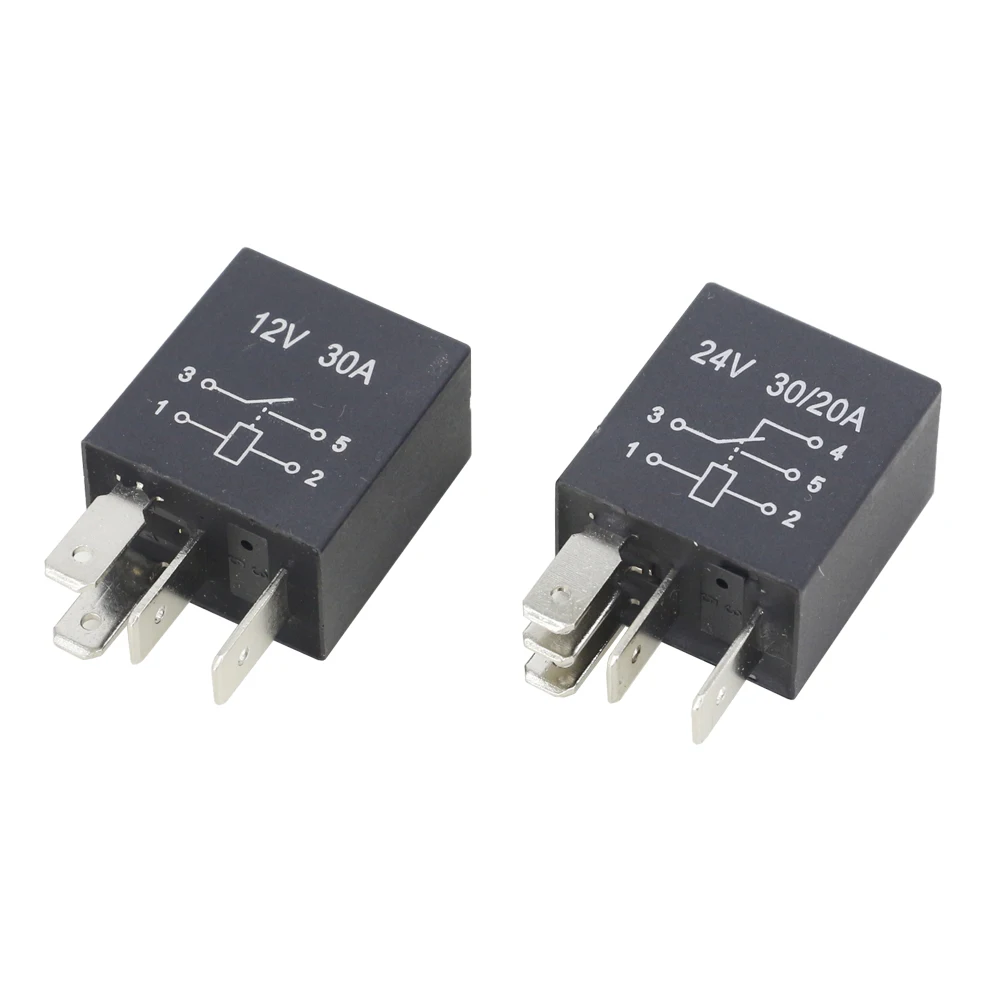
The product offers distinct 12V and 24V models. Each is tailored for specific vehicle electrical systems. The 12V model handles a consistent 30A. This is suitable for most passenger cars and light trucks. The 24V model, often found in heavy-duty vehicles, also manages 30A on its normally open (NO) contact and 20A on its normally closed (NC) contact. This dual rating on the 5-pin variant provides flexibility. It accommodates various switching requirements.
The current rating is paramount for safety. Exceeding a relay's specified amperage can lead to catastrophic failure. Overheating is a significant risk. This can melt internal components. It can also ignite surrounding materials. Proper selection prevents electrical fires. Always match the relay to the load.
Unlike undersized generic switches, these relays are engineered to manage substantial current. This prevents premature wear. It ensures stable operation. The clear labeling on the housing aids in correct selection. This is a crucial detail.
The relays are available in 4-pin and 5-pin configurations. The 4-pin variant typically features a single pole, single throw (SPST) normally open contact. This is ideal for simple on/off switching. The 5-pin variant offers a single pole, double throw (SPDT) configuration. It includes both normally open (87) and normally closed (87A) contacts. This versatility allows for more complex switching logic. The included diagram on the relay housing is invaluable. It guides proper connection.
Pin designations are standardized: 30 for power input, 87 for normally open output, 87A for normally closed output, 85 for coil ground, and 86 for coil power. Understanding these pins is non-negotiable. Incorrect wiring can cause short circuits. It can damage connected components. It can also create fire hazards. Wire gauge accuracy is critical. Using wires too thin for the current load will cause excessive heat. This degrades insulation. It increases fire risk.
Compared to direct wiring, which often involves complex and bulky switches, these relays simplify circuit design. They provide a clean interface. The metal terminals appear robust. They are designed for secure connections. This minimizes resistance.
The relay housing is constructed from a durable plastic material. This provides essential protection for the internal electromagnetic coil and contact assembly. The black finish is standard. It offers a discreet appearance. The metal terminals are visible. They are designed for crimp or solder connections. Their quality directly impacts conductivity. Poor terminal quality leads to voltage drop. It generates heat.
While the specific material composition of the terminals is not detailed, their appearance suggests a standard automotive-grade alloy. These terminals must withstand vibration. They must resist corrosion. This is especially true in automotive environments. The compact form factor allows for easy integration. Space is often limited in vehicles.
Unlike flimsy, unsealed relays, these units present a solid, enclosed structure. This offers a degree of protection. However, they are not explicitly rated for water or dust ingress. For applications in exposed areas, additional weatherproofing is advisable. This ensures long-term reliability.
Safety is paramount when working with automotive electrical systems. These relays are designed to manage power efficiently. However, they do not provide inherent circuit protection. An external fuse is always required. This fuse must be correctly rated. It protects the circuit from overcurrent. Without a fuse, a short circuit could lead to severe damage. It could cause a vehicle fire.
Installation demands careful attention to detail. All connections must be secure. Loose connections generate heat. This can lead to intermittent operation. It can also cause component failure. Proper crimping tools are essential. Soldering, if performed correctly, offers superior connection integrity. Always double-check wiring. Verify all polarities.
Compared to bypassing safety measures, which risks vehicle integrity, using these relays with proper fusing is the responsible approach. It prevents costly repairs. It ensures operational safety. Adherence to safety standards is non-negotiable.
These automotive relays offer significant value for both repair and upgrade scenarios. They provide a cost-effective method to control high-power accessories. This extends the life of dashboard switches. It simplifies complex wiring. The availability of both 12V and 24V options broadens their applicability. From passenger cars to heavy machinery, these relays serve a vital function.
The ability to switch 30A currents means they can handle demanding loads. This includes powerful lighting systems. It covers high-draw pumps. This capability is crucial. It ensures consistent performance. The clear circuit diagrams printed on the units reduce installation errors. This saves time. It prevents frustration.
Unlike relying on direct switch activation for high-current devices, which often leads to switch failure, these relays provide a robust intermediary. They are an essential component. They enhance system reliability. This translates to fewer roadside breakdowns. It means greater peace of mind.
Imagine a vehicle where every electrical accessory functions flawlessly, from the powerful off-road lights to the essential cooling fan, all controlled with precision and safety, ensuring that critical components receive power exactly when needed, without risking the integrity of your vehicle's wiring or control switches. The peace of mind that comes from a well-engineered and safely implemented electrical system is invaluable, allowing you to focus on the journey ahead.
Precision Power Management in Automotive Systems
Automotive relays are fundamental to modern vehicle electrical architecture. They enable low-current signals to control high-current devices. This separation protects delicate electronic components. Without relays, direct switching of high-power accessories would quickly degrade control switches. The visible construction of these relays suggests a standard, reliable design.
Understanding Voltage and Amperage Capacities
The product offers distinct 12V and 24V models. Each is tailored for specific vehicle electrical systems. The 12V model handles a consistent 30A. This is suitable for most passenger cars and light trucks. The 24V model, often found in heavy-duty vehicles, also manages 30A on its normally open (NO) contact and 20A on its normally closed (NC) contact. This dual rating on the 5-pin variant provides flexibility. It accommodates various switching requirements.
The current rating is paramount for safety. Exceeding a relay's specified amperage can lead to catastrophic failure. Overheating is a significant risk. This can melt internal components. It can also ignite surrounding materials. Proper selection prevents electrical fires. Always match the relay to the load.
Unlike undersized generic switches, these relays are engineered to manage substantial current. This prevents premature wear. It ensures stable operation. The clear labeling on the housing aids in correct selection. This is a crucial detail.
Terminal Configuration and Wiring Integrity
The relays are available in 4-pin and 5-pin configurations. The 4-pin variant typically features a single pole, single throw (SPST) normally open contact. This is ideal for simple on/off switching. The 5-pin variant offers a single pole, double throw (SPDT) configuration. It includes both normally open (87) and normally closed (87A) contacts. This versatility allows for more complex switching logic. The included diagram on the relay housing is invaluable. It guides proper connection.
Pin designations are standardized: 30 for power input, 87 for normally open output, 87A for normally closed output, 85 for coil ground, and 86 for coil power. Understanding these pins is non-negotiable. Incorrect wiring can cause short circuits. It can damage connected components. It can also create fire hazards. Wire gauge accuracy is critical. Using wires too thin for the current load will cause excessive heat. This degrades insulation. It increases fire risk.
Compared to direct wiring, which often involves complex and bulky switches, these relays simplify circuit design. They provide a clean interface. The metal terminals appear robust. They are designed for secure connections. This minimizes resistance.
Construction and Durability Considerations
The relay housing is constructed from a durable plastic material. This provides essential protection for the internal electromagnetic coil and contact assembly. The black finish is standard. It offers a discreet appearance. The metal terminals are visible. They are designed for crimp or solder connections. Their quality directly impacts conductivity. Poor terminal quality leads to voltage drop. It generates heat.
While the specific material composition of the terminals is not detailed, their appearance suggests a standard automotive-grade alloy. These terminals must withstand vibration. They must resist corrosion. This is especially true in automotive environments. The compact form factor allows for easy integration. Space is often limited in vehicles.
Unlike flimsy, unsealed relays, these units present a solid, enclosed structure. This offers a degree of protection. However, they are not explicitly rated for water or dust ingress. For applications in exposed areas, additional weatherproofing is advisable. This ensures long-term reliability.
Safety Protocols and Installation Best Practices
Safety is paramount when working with automotive electrical systems. These relays are designed to manage power efficiently. However, they do not provide inherent circuit protection. An external fuse is always required. This fuse must be correctly rated. It protects the circuit from overcurrent. Without a fuse, a short circuit could lead to severe damage. It could cause a vehicle fire.
Installation demands careful attention to detail. All connections must be secure. Loose connections generate heat. This can lead to intermittent operation. It can also cause component failure. Proper crimping tools are essential. Soldering, if performed correctly, offers superior connection integrity. Always double-check wiring. Verify all polarities.
Compared to bypassing safety measures, which risks vehicle integrity, using these relays with proper fusing is the responsible approach. It prevents costly repairs. It ensures operational safety. Adherence to safety standards is non-negotiable.
Value Proposition for Automotive Electrical Systems
These automotive relays offer significant value for both repair and upgrade scenarios. They provide a cost-effective method to control high-power accessories. This extends the life of dashboard switches. It simplifies complex wiring. The availability of both 12V and 24V options broadens their applicability. From passenger cars to heavy machinery, these relays serve a vital function.
The ability to switch 30A currents means they can handle demanding loads. This includes powerful lighting systems. It covers high-draw pumps. This capability is crucial. It ensures consistent performance. The clear circuit diagrams printed on the units reduce installation errors. This saves time. It prevents frustration.
Unlike relying on direct switch activation for high-current devices, which often leads to switch failure, these relays provide a robust intermediary. They are an essential component. They enhance system reliability. This translates to fewer roadside breakdowns. It means greater peace of mind.
Imagine a vehicle where every electrical accessory functions flawlessly, from the powerful off-road lights to the essential cooling fan, all controlled with precision and safety, ensuring that critical components receive power exactly when needed, without risking the integrity of your vehicle's wiring or control switches. The peace of mind that comes from a well-engineered and safely implemented electrical system is invaluable, allowing you to focus on the journey ahead.