Adjustable DC-DC Buck-Boost Converter Modules
Official Store Deal
Expert Analysis Overview
The Adjustable DC-DC Buck-Boost Converter Modules are a highly versatile power management solution tailored for hobbyists and engineers requiring flexible voltage regulation in diverse electrical projects. These compact units are essential for applications where input voltage fluctuates or where both step-up and step-down conversion are necessary from a single power source. Such flexibility is critical for optimizing power delivery in off-grid solar installations or battery-powered devices, ensuring consistent operation despite varying source conditions. The design prioritizes adaptability, making these modules a foundational component for custom power supplies.
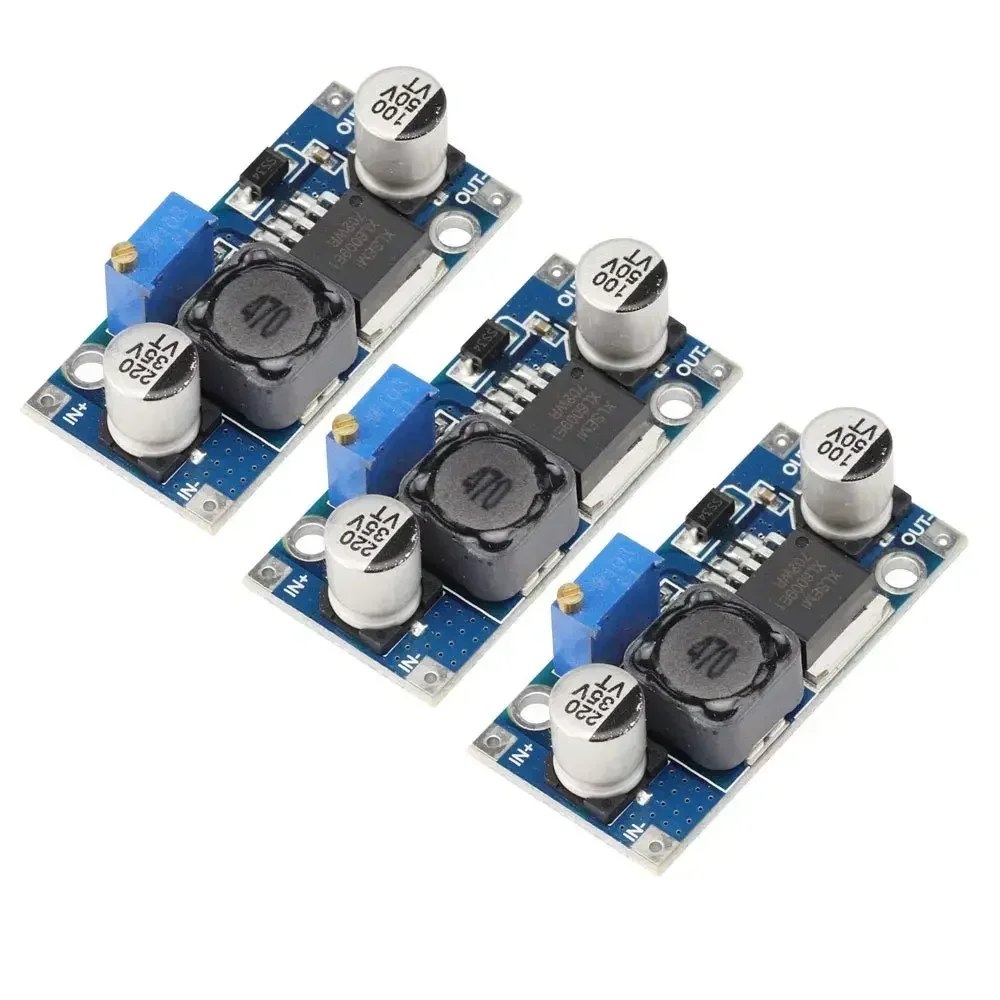
Each module features a visible blue potentiometer, indicating its adjustable nature. This component allows for precise tuning of the output voltage, a significant advantage over fixed-output regulators. The input range of 3.8-30V and an output range of 1.25-35V provide broad compatibility. Output voltage can be set higher or lower than the input. This means a single module can adapt to various power requirements within a project, simplifying component selection. No need for multiple dedicated buck or boost converters.
Consider a scenario with a 12V lead-acid battery system. This module can step up to 24V for specific loads or step down to 5V for USB charging. Its inherent versatility streamlines complex power architectures, reducing the overall bill of materials. Unlike simpler buck-only or boost-only converters, a buck-boost module maintains a stable output even if the input voltage crosses the desired output level. This is a critical capability for battery systems that discharge over time.
Adjusting the output voltage is straightforward, requiring only a small screwdriver to turn the potentiometer. The adjustment is continuous, allowing for fine-grained control over the output. Users can precisely dial in the exact voltage needed for sensitive electronics. This level of control prevents over-voltage damage to delicate components.
Careful measurement with a multimeter is essential during adjustment. The process is iterative: connect the input, measure the output, adjust, and re-measure. This ensures the target voltage is met before connecting the load. Such precision is a hallmark of professional power management.
These modules operate at a switching frequency of 400KHz, a standard for many DC-DC converters. Higher switching frequencies generally allow for smaller inductor and capacitor sizes, contributing to the module's compact form factor. This frequency also impacts ripple voltage. Lower ripple voltage means cleaner power delivery.
For solar energy applications, efficiency is paramount. While specific efficiency ratings are not explicitly stated, buck-boost converters typically achieve efficiencies between 80-95% depending on the input/output differential and load. Minimizing energy loss is crucial for maximizing battery life and solar panel output. Every percentage point of efficiency gained translates to more usable power. This directly impacts the longevity of off-grid systems.
Visible on the PCB are several electrolytic capacitors and a substantial inductor. These components are critical for filtering and energy storage during the conversion process. The inductor, in particular, appears robust, suggesting it can handle the specified 4A current. Heat dissipation is a factor at higher current draws.
Operating at the maximum 4A output, especially with a large voltage difference, will generate heat. Adequate airflow or a small heatsink might be necessary for continuous high-power operation. Overheating can reduce component lifespan. Users should monitor module temperature during initial setup. This proactive approach ensures long-term reliability.
These buck-boost modules are ideal for creating self-sustaining energy systems. They can stabilize voltage from fluctuating solar panels before charging batteries. A stable voltage input is vital for battery charging controllers. This ensures optimal charging cycles.
Furthermore, they can provide regulated power to various loads from a battery bank. For example, a 12V battery can power a 5V microcontroller or a 24V LED lighting strip. Their capability to both step up and step down voltage makes them incredibly useful for diverse power requirements within a single off-grid system. This enhances system flexibility significantly. Compatibility with existing solar setups is high due to their wide input/output ranges.
The modules feature clear input and output pads labeled IN+ / INand OUT+ / OUT-. These pads are designed for soldering wires directly, providing a secure and low-resistance connection. Proper wiring is essential for safety and performance. Polarity must be observed carefully.
For higher current applications, thicker gauge wires are recommended to minimize voltage drop and heat generation. Soldering ensures a permanent and reliable connection, suitable for long-term installations. Unlike temporary clip-on connections, soldered joints withstand vibration and environmental stress. This improves system robustness.
The blue PCB is a standard FR-4 fiberglass laminate, providing good electrical insulation and mechanical strength. The components are surface-mounted (SMD), contributing to the module's compact footprint. Its small size, approximately 48.05mm x 25.1mm, allows for easy integration into tight enclosures. Space is often at a premium in custom electronics projects.
The overall construction appears solid for its intended purpose. The visible solder joints are clean, indicating good manufacturing quality. Reliability is key for any power component. This attention to detail suggests a durable module. The compact design does not compromise on functionality.
Key components include the main switching regulator IC (partially visible), the large inductor, and multiple electrolytic capacitors. The capacitors are rated for 25V and 50V, appropriate for the specified input and output voltages. These components work in concert to achieve stable power conversion. Each plays a vital role in ripple reduction and energy transfer.
The choice of components reflects a balance between performance and cost-effectiveness. While not industrial-grade, they are perfectly suitable for hobbyist projects and light to medium duty applications. Understanding component ratings helps assess suitability for specific project demands. This ensures safe operation within design limits.
Receiving three modules in a single package offers excellent value. This allows for multiple projects or provides spare units for future needs. Having spares is always a good practice. It minimizes downtime if a component fails during development.
For the price, these modules provide an accessible way to experiment with advanced power management. They are significantly more cost-effective than purchasing pre-built, enclosed power supplies for every voltage requirement. This makes complex projects more feasible on a budget. The cost-per-use is very low.
Imagine powering a custom weather station from a small solar panel and battery, ensuring consistent voltage for sensors and communication modules regardless of sun intensity or battery charge. Picture a portable charging station for various devices, all powered by a single, adaptable source. These buck-boost converters provide the foundational capability to bring such innovative ideas to life, offering reliable and adjustable power where it's needed most for your energy projects and experiments. The possibilities for creating efficient, self-sustaining systems are vast, waiting for your ingenuity.
Unpacking Power Regulation Flexibility
Each module features a visible blue potentiometer, indicating its adjustable nature. This component allows for precise tuning of the output voltage, a significant advantage over fixed-output regulators. The input range of 3.8-30V and an output range of 1.25-35V provide broad compatibility. Output voltage can be set higher or lower than the input. This means a single module can adapt to various power requirements within a project, simplifying component selection. No need for multiple dedicated buck or boost converters.
Consider a scenario with a 12V lead-acid battery system. This module can step up to 24V for specific loads or step down to 5V for USB charging. Its inherent versatility streamlines complex power architectures, reducing the overall bill of materials. Unlike simpler buck-only or boost-only converters, a buck-boost module maintains a stable output even if the input voltage crosses the desired output level. This is a critical capability for battery systems that discharge over time.
Operational Nuances and Adjustment
Adjusting the output voltage is straightforward, requiring only a small screwdriver to turn the potentiometer. The adjustment is continuous, allowing for fine-grained control over the output. Users can precisely dial in the exact voltage needed for sensitive electronics. This level of control prevents over-voltage damage to delicate components.
Careful measurement with a multimeter is essential during adjustment. The process is iterative: connect the input, measure the output, adjust, and re-measure. This ensures the target voltage is met before connecting the load. Such precision is a hallmark of professional power management.
Efficiency Considerations in Energy Systems
These modules operate at a switching frequency of 400KHz, a standard for many DC-DC converters. Higher switching frequencies generally allow for smaller inductor and capacitor sizes, contributing to the module's compact form factor. This frequency also impacts ripple voltage. Lower ripple voltage means cleaner power delivery.
For solar energy applications, efficiency is paramount. While specific efficiency ratings are not explicitly stated, buck-boost converters typically achieve efficiencies between 80-95% depending on the input/output differential and load. Minimizing energy loss is crucial for maximizing battery life and solar panel output. Every percentage point of efficiency gained translates to more usable power. This directly impacts the longevity of off-grid systems.
Thermal Management Under Load
Visible on the PCB are several electrolytic capacitors and a substantial inductor. These components are critical for filtering and energy storage during the conversion process. The inductor, in particular, appears robust, suggesting it can handle the specified 4A current. Heat dissipation is a factor at higher current draws.
Operating at the maximum 4A output, especially with a large voltage difference, will generate heat. Adequate airflow or a small heatsink might be necessary for continuous high-power operation. Overheating can reduce component lifespan. Users should monitor module temperature during initial setup. This proactive approach ensures long-term reliability.
Integration into Solar and Off-Grid Setups
These buck-boost modules are ideal for creating self-sustaining energy systems. They can stabilize voltage from fluctuating solar panels before charging batteries. A stable voltage input is vital for battery charging controllers. This ensures optimal charging cycles.
Furthermore, they can provide regulated power to various loads from a battery bank. For example, a 12V battery can power a 5V microcontroller or a 24V LED lighting strip. Their capability to both step up and step down voltage makes them incredibly useful for diverse power requirements within a single off-grid system. This enhances system flexibility significantly. Compatibility with existing solar setups is high due to their wide input/output ranges.
Wiring and Connectivity
The modules feature clear input and output pads labeled IN+ / IN
For higher current applications, thicker gauge wires are recommended to minimize voltage drop and heat generation. Soldering ensures a permanent and reliable connection, suitable for long-term installations. Unlike temporary clip-on connections, soldered joints withstand vibration and environmental stress. This improves system robustness.
Build Quality and Compact Design
The blue PCB is a standard FR-4 fiberglass laminate, providing good electrical insulation and mechanical strength. The components are surface-mounted (SMD), contributing to the module's compact footprint. Its small size, approximately 48.05mm x 25.1mm, allows for easy integration into tight enclosures. Space is often at a premium in custom electronics projects.
The overall construction appears solid for its intended purpose. The visible solder joints are clean, indicating good manufacturing quality. Reliability is key for any power component. This attention to detail suggests a durable module. The compact design does not compromise on functionality.
Component Selection
Key components include the main switching regulator IC (partially visible), the large inductor, and multiple electrolytic capacitors. The capacitors are rated for 25V and 50V, appropriate for the specified input and output voltages. These components work in concert to achieve stable power conversion. Each plays a vital role in ripple reduction and energy transfer.
The choice of components reflects a balance between performance and cost-effectiveness. While not industrial-grade, they are perfectly suitable for hobbyist projects and light to medium duty applications. Understanding component ratings helps assess suitability for specific project demands. This ensures safe operation within design limits.
The Value Proposition for Makers
Receiving three modules in a single package offers excellent value. This allows for multiple projects or provides spare units for future needs. Having spares is always a good practice. It minimizes downtime if a component fails during development.
For the price, these modules provide an accessible way to experiment with advanced power management. They are significantly more cost-effective than purchasing pre-built, enclosed power supplies for every voltage requirement. This makes complex projects more feasible on a budget. The cost-per-use is very low.
Imagine powering a custom weather station from a small solar panel and battery, ensuring consistent voltage for sensors and communication modules regardless of sun intensity or battery charge. Picture a portable charging station for various devices, all powered by a single, adaptable source. These buck-boost converters provide the foundational capability to bring such innovative ideas to life, offering reliable and adjustable power where it's needed most for your energy projects and experiments. The possibilities for creating efficient, self-sustaining systems are vast, waiting for your ingenuity.