36AWG UL10064 FEP Insulated Tinned Copper Wire
Official Store Deal
Expert Analysis Overview
The 36AWG UL10064 FEP Insulated Tinned Copper Wire is a precision-engineered conductor critical for intricate low-voltage solar electronics and miniaturized power applications. Its ultra-fine gauge and advanced insulation make it an indispensable component for hobbyists and professionals building compact, efficient energy systems.
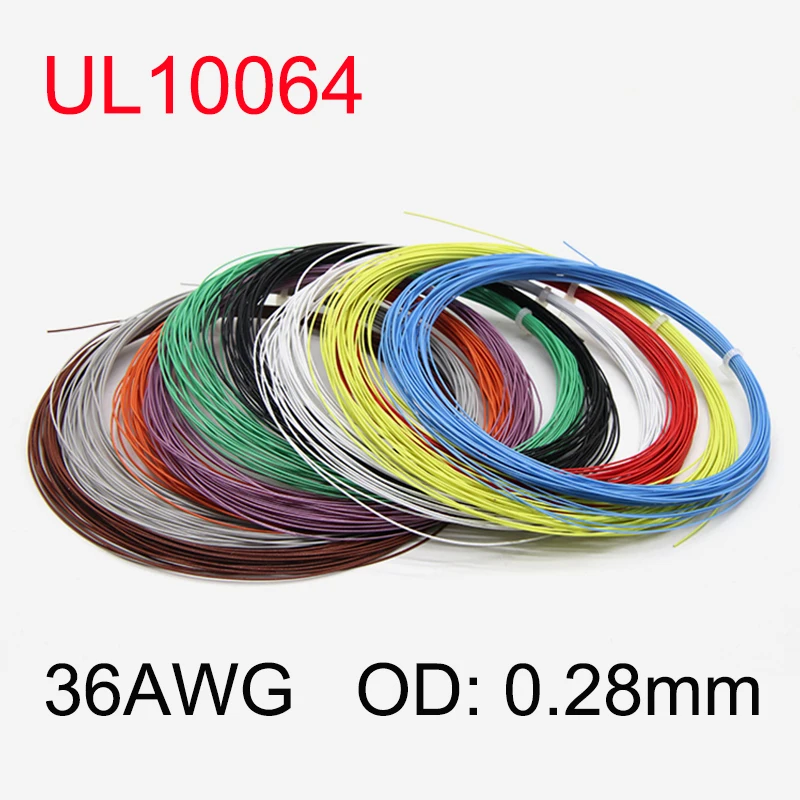
This wire features a 36AWG (American Wire Gauge) specification, translating to an incredibly fine outer diameter of just 0.28mm. The conductor itself is composed of 7 tinned copper cores, a multi-strand design that significantly impacts its performance characteristics.
Such a minute gauge is essential for applications demanding minimal space. Imagine wiring a compact solar charge controller or a small sensor array; every millimeter counts. This wire allows for dense circuit layouts without sacrificing electrical integrity.
Compared to solid core wires of similar gauge, the 7-core stranded design offers superior flexibility and resistance to fatigue. Solid wires tend to break more easily when repeatedly bent, a common issue in dynamic or tightly packed enclosures. This wire bends, it does not snap.
Tinned copper is the material of choice for the conductor. This involves coating individual copper strands with a thin layer of tin.
Tinning serves multiple critical functions. It prevents the copper from oxidizing over time, which can lead to increased resistance and poor solderability. This ensures consistent electrical performance and simplifies assembly.
Untinned copper, especially in fine gauges, can become brittle and difficult to work with after exposure to air and heat. The tin coating provides a protective barrier, extending the wire's shelf life and reliability in demanding environments. It’s a small detail with big implications.
Encasing the tinned copper core is FEP (Fluorinated Ethylene Propylene) insulation. This is not a standard PVC jacket; FEP is a high-performance fluoropolymer renowned for its exceptional properties.
FEP insulation provides superior thermal resistance, allowing the wire to operate reliably in temperatures where standard plastics would degrade. It also boasts excellent chemical inertness, resisting a wide range of solvents, acids, and bases. This makes it ideal for environments where exposure to harsh substances is a concern, such as battery compartments or industrial settings.
Unlike common PVC insulation, FEP maintains its dielectric strength and flexibility across a broader temperature range. This means the wire remains supple and electrically sound even in extreme heat or cold, preventing insulation cracking that could lead to dangerous short circuits. This is a significant upgrade over conventional wiring materials.
The UL10064 certification signifies that this wire meets specific safety and performance standards established by Underwriters Laboratories. This is a crucial detail for any electrical component.
UL certification ensures the wire has undergone rigorous testing for fire resistance, electrical insulation properties, and mechanical durability. It provides an independent verification of quality, which is paramount for safety-critical applications.
Using uncertified wire in sensitive electronic projects introduces unnecessary risks. The UL10064 designation offers peace of mind, confirming the product's adherence to recognized industry benchmarks. It’s a standard of reliability.
This wire is rated for 30V, making it perfectly suited for common low-voltage DC applications, including most solar energy hobbyist projects. It is not for high-voltage AC.
For solar enthusiasts, this means compatibility with 12V and 24V battery systems, charge controllers, and small-scale inverter wiring. Its fine gauge is particularly useful for internal wiring of custom circuit boards or sensor networks that monitor solar array performance.
While its voltage rating is ample for many DC systems, its 36AWG gauge strictly limits current capacity. This wire excels in signal transmission or very low-power delivery, not for connecting high-current solar panels directly to an inverter. Proper current calculation is essential.
Given its ultra-fine nature, this wire is explicitly designed for micro-soldering applications. Precision is key.
Working with 36AWG wire requires a fine-tipped soldering iron and steady hands. The tinned copper cores facilitate quick and clean solder joints, minimizing heat exposure to the insulation and surrounding components. It solders easily.
Attempting to use standard soldering equipment or techniques with such a fine wire often results in frustration, cold joints, or melted insulation. This wire demands a delicate touch, but rewards it with robust, miniaturized connections. It’s a specialist's tool.
The availability of 10 different colors is a practical advantage for complex wiring projects. Color-coding simplifies identification.
In a crowded enclosure, distinguishing between multiple wires of the same color can lead to errors and troubleshooting nightmares. A diverse color palette allows for clear assignment of functions, reducing assembly time and improving maintenance.
Unlike generic single-color bulk wire, these options provide immediate visual cues for polarity, signal lines, or power distribution within a circuit. This organizational benefit is invaluable for intricate solar monitoring systems or custom electronics. It aids clarity greatly.
The combination of FEP insulation and stranded tinned copper conductor contributes to the wire's overall operational resilience. It handles environmental stressors well.
FEP's resistance to abrasion and cutting, combined with the flexibility of stranded wire, means it can withstand minor physical stresses during installation and operation. This reduces the likelihood of intermittent faults or complete circuit failures.
Many standard wires can become brittle or lose insulation integrity when subjected to temperature fluctuations or minor vibrations. This wire's construction ensures a more stable and long-lasting connection, critical for systems expected to run reliably for years. It offers enduring performance.
For the solar energy hobbyist, this wire offers specific advantages in building efficient and reliable systems. It supports advanced projects.
Its compact size is perfect for integrating sensors, microcontrollers, and communication lines within a solar power system without adding bulk. This allows for more sophisticated monitoring and control mechanisms in a smaller footprint. Small wires, big potential.
Calculating efficiency losses in low-voltage DC circuits requires precise wiring to minimize resistance. While 36AWG has inherent resistance due to its size, its consistent quality and tinned copper ensure predictable performance for signal integrity, where current is minimal. It's about signal, not power.
Verifying compatibility with existing solar setups is straightforward for low-voltage control and data lines. This wire is ideal for connecting components like MPPT trackers to display units, or for internal wiring of custom battery management systems. Its application is specific and valuable.
Imagine completing a custom solar power station, every wire meticulously placed, every connection solid. This wire ensures your intricate control circuits and sensor arrays perform flawlessly, contributing to the overall efficiency and longevity of your energy system. The satisfaction of a perfectly built, reliable setup is within reach, powered by components that meet the highest standards of precision and durability. Your projects will operate with confidence and precision. This wire is a foundational element for sophisticated, self-sustaining energy solutions.
The Conductor's Core Engineering
This wire features a 36AWG (American Wire Gauge) specification, translating to an incredibly fine outer diameter of just 0.28mm. The conductor itself is composed of 7 tinned copper cores, a multi-strand design that significantly impacts its performance characteristics.
Such a minute gauge is essential for applications demanding minimal space. Imagine wiring a compact solar charge controller or a small sensor array; every millimeter counts. This wire allows for dense circuit layouts without sacrificing electrical integrity.
Compared to solid core wires of similar gauge, the 7-core stranded design offers superior flexibility and resistance to fatigue. Solid wires tend to break more easily when repeatedly bent, a common issue in dynamic or tightly packed enclosures. This wire bends, it does not snap.
Material Science: Tinned Copper
Tinned copper is the material of choice for the conductor. This involves coating individual copper strands with a thin layer of tin.
Tinning serves multiple critical functions. It prevents the copper from oxidizing over time, which can lead to increased resistance and poor solderability. This ensures consistent electrical performance and simplifies assembly.
Untinned copper, especially in fine gauges, can become brittle and difficult to work with after exposure to air and heat. The tin coating provides a protective barrier, extending the wire's shelf life and reliability in demanding environments. It’s a small detail with big implications.
Insulation Integrity: The FEP Shield
Encasing the tinned copper core is FEP (Fluorinated Ethylene Propylene) insulation. This is not a standard PVC jacket; FEP is a high-performance fluoropolymer renowned for its exceptional properties.
FEP insulation provides superior thermal resistance, allowing the wire to operate reliably in temperatures where standard plastics would degrade. It also boasts excellent chemical inertness, resisting a wide range of solvents, acids, and bases. This makes it ideal for environments where exposure to harsh substances is a concern, such as battery compartments or industrial settings.
Unlike common PVC insulation, FEP maintains its dielectric strength and flexibility across a broader temperature range. This means the wire remains supple and electrically sound even in extreme heat or cold, preventing insulation cracking that could lead to dangerous short circuits. This is a significant upgrade over conventional wiring materials.
UL10064 Certification: A Mark of Trust
The UL10064 certification signifies that this wire meets specific safety and performance standards established by Underwriters Laboratories. This is a crucial detail for any electrical component.
UL certification ensures the wire has undergone rigorous testing for fire resistance, electrical insulation properties, and mechanical durability. It provides an independent verification of quality, which is paramount for safety-critical applications.
Using uncertified wire in sensitive electronic projects introduces unnecessary risks. The UL10064 designation offers peace of mind, confirming the product's adherence to recognized industry benchmarks. It’s a standard of reliability.
Versatility in Low-Voltage Systems
This wire is rated for 30V, making it perfectly suited for common low-voltage DC applications, including most solar energy hobbyist projects. It is not for high-voltage AC.
For solar enthusiasts, this means compatibility with 12V and 24V battery systems, charge controllers, and small-scale inverter wiring. Its fine gauge is particularly useful for internal wiring of custom circuit boards or sensor networks that monitor solar array performance.
While its voltage rating is ample for many DC systems, its 36AWG gauge strictly limits current capacity. This wire excels in signal transmission or very low-power delivery, not for connecting high-current solar panels directly to an inverter. Proper current calculation is essential.
The Art of Micro-Soldering
Given its ultra-fine nature, this wire is explicitly designed for micro-soldering applications. Precision is key.
Working with 36AWG wire requires a fine-tipped soldering iron and steady hands. The tinned copper cores facilitate quick and clean solder joints, minimizing heat exposure to the insulation and surrounding components. It solders easily.
Attempting to use standard soldering equipment or techniques with such a fine wire often results in frustration, cold joints, or melted insulation. This wire demands a delicate touch, but rewards it with robust, miniaturized connections. It’s a specialist's tool.
Aesthetic and Practical Organization
The availability of 10 different colors is a practical advantage for complex wiring projects. Color-coding simplifies identification.
In a crowded enclosure, distinguishing between multiple wires of the same color can lead to errors and troubleshooting nightmares. A diverse color palette allows for clear assignment of functions, reducing assembly time and improving maintenance.
Unlike generic single-color bulk wire, these options provide immediate visual cues for polarity, signal lines, or power distribution within a circuit. This organizational benefit is invaluable for intricate solar monitoring systems or custom electronics. It aids clarity greatly.
Operational Resilience
The combination of FEP insulation and stranded tinned copper conductor contributes to the wire's overall operational resilience. It handles environmental stressors well.
FEP's resistance to abrasion and cutting, combined with the flexibility of stranded wire, means it can withstand minor physical stresses during installation and operation. This reduces the likelihood of intermittent faults or complete circuit failures.
Many standard wires can become brittle or lose insulation integrity when subjected to temperature fluctuations or minor vibrations. This wire's construction ensures a more stable and long-lasting connection, critical for systems expected to run reliably for years. It offers enduring performance.
The Solar Hobbyist's Advantage
For the solar energy hobbyist, this wire offers specific advantages in building efficient and reliable systems. It supports advanced projects.
Its compact size is perfect for integrating sensors, microcontrollers, and communication lines within a solar power system without adding bulk. This allows for more sophisticated monitoring and control mechanisms in a smaller footprint. Small wires, big potential.
Calculating efficiency losses in low-voltage DC circuits requires precise wiring to minimize resistance. While 36AWG has inherent resistance due to its size, its consistent quality and tinned copper ensure predictable performance for signal integrity, where current is minimal. It's about signal, not power.
Verifying compatibility with existing solar setups is straightforward for low-voltage control and data lines. This wire is ideal for connecting components like MPPT trackers to display units, or for internal wiring of custom battery management systems. Its application is specific and valuable.
Imagine completing a custom solar power station, every wire meticulously placed, every connection solid. This wire ensures your intricate control circuits and sensor arrays perform flawlessly, contributing to the overall efficiency and longevity of your energy system. The satisfaction of a perfectly built, reliable setup is within reach, powered by components that meet the highest standards of precision and durability. Your projects will operate with confidence and precision. This wire is a foundational element for sophisticated, self-sustaining energy solutions.