3010 DC Cooling Fans for 3D Printers
Official Store Deal
Expert Analysis Overview
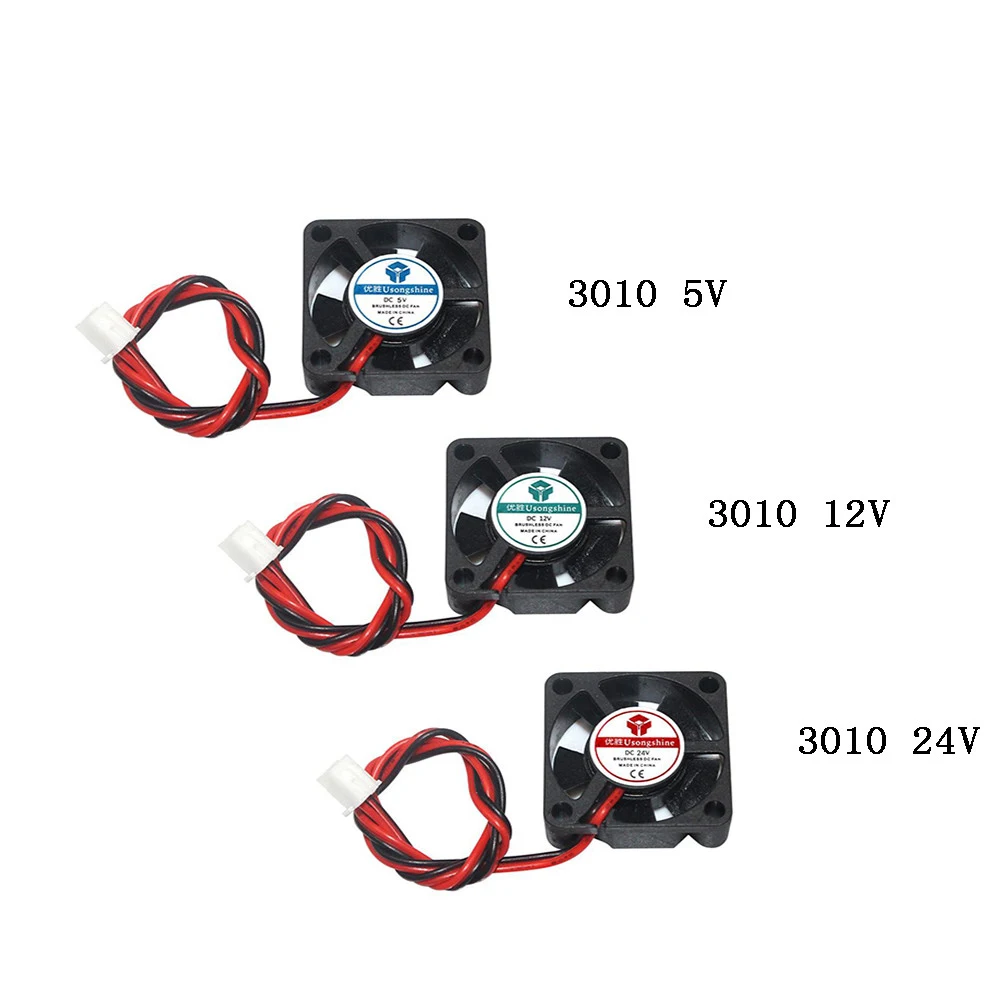
The 3010 DC Cooling Fans are essential compact thermal management solutions specifically engineered for the intricate demands of 3D printing and DIY electronics projects. Unlike generic cooling components that offer limited voltage compatibility, these fans provide dedicated 5V, 12V, and 24V options, ensuring precise integration into a wide array of setups. This flexibility is paramount for makers and tinkerers who frequently modify and improve their machines over time.
Thermal management is a cornerstone of reliable 3D printing. Components like hotends and stepper drivers generate considerable heat during operation. Without adequate cooling, issues such as 'heat creep' can plague a hotend, leading to filament clogs and failed prints. Stepper drivers, when overheated, can skip steps, resulting in layer shifts and print quality degradation. These fans address these critical points directly.
Their primary function is to dissipate heat efficiently. A consistent thermal environment is key. For example, a well-cooled hotend cold-side ensures filament remains solid until it reaches the melt zone. This prevents premature softening. The 3010 fan plays a vital role in this process. Compared to passive heat sinks, active cooling from a fan provides a significantly more effective heat removal rate.
Each fan features a robust plastic frame and impeller blades. These small components are built to last. The compact 30x30x10mm dimensions make these fans ideal for confined spaces, a common characteristic of 3D printer carriages and electronic enclosures. The direct current (DC) operation simplifies power integration.
Wiring is straightforward with a 2-pin connector. This means a direct positive and negative connection. Many 3D printer mainboards offer dedicated fan headers that supply the necessary voltage. This design avoids complex wiring. Compared to 3-pin or 4-pin fans, which offer RPM sensing or PWM control, the 2-pin simplicity is a trade-off for ease of use in basic cooling applications.
Availability in 5V, 12V, and 24V variants sets these fans apart. This range covers the most common power requirements found in DIY electronics and 3D printers. A 5V fan might be perfect for cooling a Raspberry Pi or other single-board computers often integrated into printer control systems. Many older or smaller 3D printer mainboards operate on 12V, as do some hotends and power supplies. The 24V option aligns with the increasing number of modern 3D printers that utilize higher voltage systems for faster heating and more efficient power delivery.
Matching the fan's voltage to the power source is crucial. Incorrect voltage application will damage the fan. For users with mixed voltage systems, having access to these distinct options simplifies component selection. It prevents the need for voltage converters, reducing complexity and potential points of failure. This specificity allows for tailored thermal solutions.
While small, the airflow generated by these 3010 fans is sufficient for their intended purpose. They are designed for focused cooling tasks, such as directing air across a hotend's heatsink or cooling specific integrated circuits on a mainboard. Their compact size allows for precise placement. This targeted cooling is often more effective than attempting to cool an entire enclosure with a larger, less focused fan.
For makers experimenting with custom printer designs or enclosures, these fans offer an excellent starting point. Their small form factor allows for multiple fan configurations in tight spaces. For example, two 3010 fans might be used in a push-pull setup for enhanced airflow through a constrained heatsink. This level of customization is a hallmark of the maker community. Unlike larger, bulkier fans, these can be easily integrated into custom-printed fan shrouds and ducts.
The widespread use of 3010 fans in the 3D printing community means extensive support. Online forums, tutorial videos, and user-generated modification guides are readily available. Troubleshooting common issues or finding custom mounting solutions becomes significantly easier. This community aspect is invaluable for new and experienced makers alike. A vast knowledge base exists.
Furthermore, the simplicity of these fans makes them highly hackable. Users can add inline resistors to reduce fan speed and noise, or integrate them with basic temperature sensors for automated control. While they come as 2-pin, advanced users might adapt them for pulse-width modulation (PWM) control with external circuitry. This experimentation with custom parts is a core tenet of the maker philosophy. The low cost of these fans encourages such modification.
Proper installation is key to fan longevity. Ensure the fan is mounted securely, preventing vibrations that can lead to premature bearing wear and increased noise. The direction of airflow should be carefully considered; typically, air should be drawn across the component to be cooled and then exhausted. Incorrect orientation can trap heat.
Regular maintenance involves checking for dust and debris. Small fans, especially those operating in dusty environments like a 3D printer enclosure, can accumulate significant amounts of particulate matter. This buildup restricts airflow and puts strain on the motor. A periodic cleaning with compressed air or a soft brush extends operational life. Keeping the blades clear is simple. Unlike sealed units, these fans allow for easy visual inspection of their working parts.
The low price point of these 3010 fans makes them an accessible and practical component for any 3D printer owner or electronics enthusiast. They represent a minor financial outlay compared to the cost of replacing damaged hotends, mainboards, or stepper drivers due to thermal issues. Investing in proper cooling is preventive maintenance. The cost-per-use is exceptionally low.
Stocking up on a few spares is a common practice among makers. This ensures quick replacements if a fan fails or if a new project requires additional cooling. Their universal utility across various voltages and applications makes them a versatile addition to any workbench. These fans deliver significant value.
Imagine your 3D printer running smoothly, layer after layer, without the nagging worry of heat-induced print failures. Envision your custom electronics project operating at optimal temperatures, extending the lifespan of sensitive components. These 3010 DC cooling fans provide that critical thermal stability, empowering you to push the boundaries of your creations with confidence. With their versatile voltage options and compact design, they seamlessly integrate into your designs, ensuring every circuit and hotend remains perfectly chilled, allowing your focus to remain on innovation, not frustration. Embrace the reliability that comes with proper thermal management and experience the satisfaction of consistently successful builds.
Maintaining Thermal Equilibrium
Thermal management is a cornerstone of reliable 3D printing. Components like hotends and stepper drivers generate considerable heat during operation. Without adequate cooling, issues such as 'heat creep' can plague a hotend, leading to filament clogs and failed prints. Stepper drivers, when overheated, can skip steps, resulting in layer shifts and print quality degradation. These fans address these critical points directly.
Their primary function is to dissipate heat efficiently. A consistent thermal environment is key. For example, a well-cooled hotend cold-side ensures filament remains solid until it reaches the melt zone. This prevents premature softening. The 3010 fan plays a vital role in this process. Compared to passive heat sinks, active cooling from a fan provides a significantly more effective heat removal rate.
The Heart of the Build: Construction and Integration
Each fan features a robust plastic frame and impeller blades. These small components are built to last. The compact 30x30x10mm dimensions make these fans ideal for confined spaces, a common characteristic of 3D printer carriages and electronic enclosures. The direct current (DC) operation simplifies power integration.
Wiring is straightforward with a 2-pin connector. This means a direct positive and negative connection. Many 3D printer mainboards offer dedicated fan headers that supply the necessary voltage. This design avoids complex wiring. Compared to 3-pin or 4-pin fans, which offer RPM sensing or PWM control, the 2-pin simplicity is a trade-off for ease of use in basic cooling applications.
Voltage Versatility for the Modern Maker
Availability in 5V, 12V, and 24V variants sets these fans apart. This range covers the most common power requirements found in DIY electronics and 3D printers. A 5V fan might be perfect for cooling a Raspberry Pi or other single-board computers often integrated into printer control systems. Many older or smaller 3D printer mainboards operate on 12V, as do some hotends and power supplies. The 24V option aligns with the increasing number of modern 3D printers that utilize higher voltage systems for faster heating and more efficient power delivery.
Matching the fan's voltage to the power source is crucial. Incorrect voltage application will damage the fan. For users with mixed voltage systems, having access to these distinct options simplifies component selection. It prevents the need for voltage converters, reducing complexity and potential points of failure. This specificity allows for tailored thermal solutions.
Optimizing Airflow: Beyond the Basics
While small, the airflow generated by these 3010 fans is sufficient for their intended purpose. They are designed for focused cooling tasks, such as directing air across a hotend's heatsink or cooling specific integrated circuits on a mainboard. Their compact size allows for precise placement. This targeted cooling is often more effective than attempting to cool an entire enclosure with a larger, less focused fan.
For makers experimenting with custom printer designs or enclosures, these fans offer an excellent starting point. Their small form factor allows for multiple fan configurations in tight spaces. For example, two 3010 fans might be used in a push-pull setup for enhanced airflow through a constrained heatsink. This level of customization is a hallmark of the maker community. Unlike larger, bulkier fans, these can be easily integrated into custom-printed fan shrouds and ducts.
Community Insights and Customization Potential
The widespread use of 3010 fans in the 3D printing community means extensive support. Online forums, tutorial videos, and user-generated modification guides are readily available. Troubleshooting common issues or finding custom mounting solutions becomes significantly easier. This community aspect is invaluable for new and experienced makers alike. A vast knowledge base exists.
Furthermore, the simplicity of these fans makes them highly hackable. Users can add inline resistors to reduce fan speed and noise, or integrate them with basic temperature sensors for automated control. While they come as 2-pin, advanced users might adapt them for pulse-width modulation (PWM) control with external circuitry. This experimentation with custom parts is a core tenet of the maker philosophy. The low cost of these fans encourages such modification.
Ensuring Longevity: Installation and Care
Proper installation is key to fan longevity. Ensure the fan is mounted securely, preventing vibrations that can lead to premature bearing wear and increased noise. The direction of airflow should be carefully considered; typically, air should be drawn across the component to be cooled and then exhausted. Incorrect orientation can trap heat.
Regular maintenance involves checking for dust and debris. Small fans, especially those operating in dusty environments like a 3D printer enclosure, can accumulate significant amounts of particulate matter. This buildup restricts airflow and puts strain on the motor. A periodic cleaning with compressed air or a soft brush extends operational life. Keeping the blades clear is simple. Unlike sealed units, these fans allow for easy visual inspection of their working parts.
A Small Investment for Big Returns
The low price point of these 3010 fans makes them an accessible and practical component for any 3D printer owner or electronics enthusiast. They represent a minor financial outlay compared to the cost of replacing damaged hotends, mainboards, or stepper drivers due to thermal issues. Investing in proper cooling is preventive maintenance. The cost-per-use is exceptionally low.
Stocking up on a few spares is a common practice among makers. This ensures quick replacements if a fan fails or if a new project requires additional cooling. Their universal utility across various voltages and applications makes them a versatile addition to any workbench. These fans deliver significant value.
Your Next Project, Cooler and More Reliable
Imagine your 3D printer running smoothly, layer after layer, without the nagging worry of heat-induced print failures. Envision your custom electronics project operating at optimal temperatures, extending the lifespan of sensitive components. These 3010 DC cooling fans provide that critical thermal stability, empowering you to push the boundaries of your creations with confidence. With their versatile voltage options and compact design, they seamlessly integrate into your designs, ensuring every circuit and hotend remains perfectly chilled, allowing your focus to remain on innovation, not frustration. Embrace the reliability that comes with proper thermal management and experience the satisfaction of consistently successful builds.