10-Pack USB Type-C 2-Pin Charging Port Connectors
Official Store Deal
Expert Analysis Overview
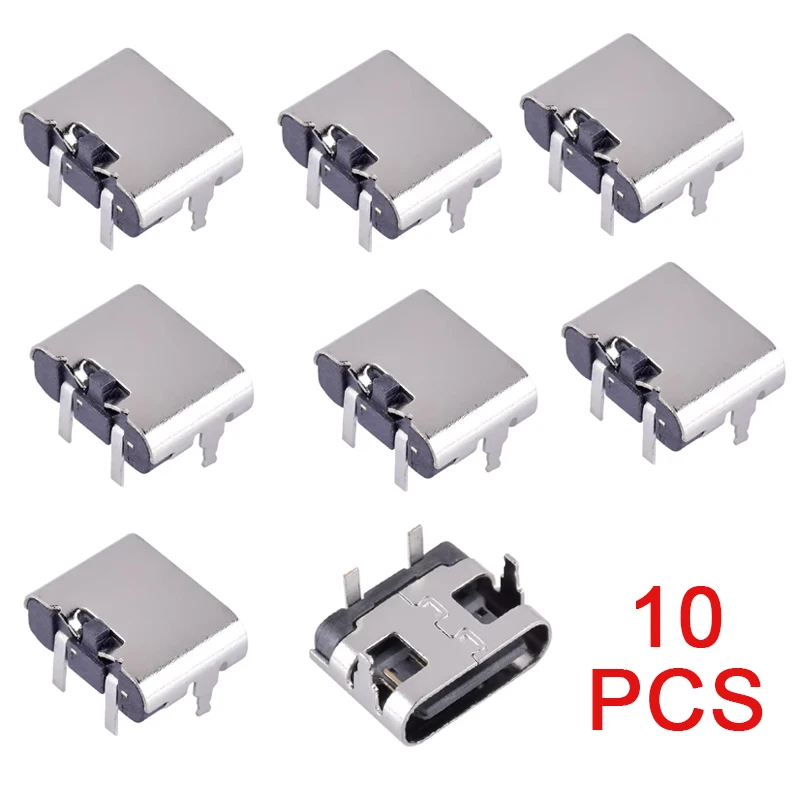
The 2-Pin USB Type-C Connector Socket is a specialized component designed for mobile device repair technicians and electronics enthusiasts seeking to restore charging functionality with a robust, compact interface. This bulk offering of ten units provides a practical solution for common mobile device power port failures, enabling cost-effective repairs rather than full device replacement. Its design prioritizes essential power delivery, making it a focused solution for charging circuit restoration.
Each connector in this 10-piece set exhibits a compact form factor, critical for integration into the constrained spaces of modern mobile phones and other portable electronics. The surface-mount design facilitates secure attachment to printed circuit boards (PCBs), a standard practice in micro-electronics assembly. This small footprint is essential.
For repair professionals, the availability of these individual components means a targeted repair can be performed on a device suffering from a damaged charging port. Rather than replacing an entire PCB or device, which can be prohibitively expensive, a technician can meticulously desolder the faulty port and solder a new one. This directly addresses the user's pain point of a non-charging device without incurring significant costs.
Unlike generic, unbranded connectors that may lack consistent manufacturing tolerances, these units appear to adhere to a standardized Type-C profile. This consistency is paramount for ensuring proper fitment and reliable electrical contact within the device's chassis. The visible metal shell provides structural integrity.
The construction of these USB Type-C connectors involves a blend of materials chosen for their electrical and mechanical properties. The molding material is specified as LCP UL94 V-0, a liquid crystal polymer known for its high heat resistance and excellent dielectric strength, crucial for insulating electrical contacts. This material choice is a significant factor.
Contact pins are fabricated from Copper Alloy, a material selected for its superior electrical conductivity and mechanical resilience against repeated insertions. The contact area features Gold Plating (Min 100u"), which significantly enhances conductivity and provides robust corrosion resistance. Gold plating prevents oxidation, ensuring a stable, low-resistance connection over time, which is vital for efficient power transfer.
Compared to connectors utilizing tin or nickel plating on their contacts, gold plating offers a demonstrably superior long-term performance. It minimizes signal degradation and power loss, directly translating to faster, more reliable charging. The shell, made from SUS304-HL (0.30±0.03mm) stainless steel, provides structural rigidity and electromagnetic interference (EMI) shielding. This shell is robust.
These connectors are specifically designed as 2-pin units, indicating their primary function is power delivery rather than full USB 3.1 data transfer capabilities. They are rated for a maximum voltage of 20V and a current of 3A for the VBUS pin, with 0.25A for other pins (though only 2 pins are present for power). This is a focused power solution.
This 3A current rating is sufficient for fast charging protocols commonly found in many smartphones and smaller electronic devices, allowing for efficient power replenishment. The low Contact Resistance (40mΩ max) ensures minimal energy loss across the connection, maximizing the power delivered to the device's battery. Low resistance is key.
Unlike older, higher-resistance charging ports that can lead to slower charging times and increased heat generation, these connectors are engineered for efficiency. The specified Insulation Resistance (100MΩ min) prevents current leakage between contacts, ensuring safe and predictable operation. This electrical profile makes them suitable replacements for original equipment manufacturer (OEM) charging ports that have degraded or failed.
The physical dimensions, as detailed in the provided technical drawing, are precise, with measurements down to hundredths of a millimeter. This level of detail is indispensable for ensuring compatibility with existing PCB layouts and device enclosures. Accurate dimensions are critical.
Installation requires skilled soldering techniques, particularly due to the small size and surface-mount nature of the component. Technicians must ensure proper alignment and secure solder joints to prevent intermittent connections or physical detachment during use. The process demands precision.
If a repair technician is accustomed to working with through-hole components, adapting to surface-mount devices (SMD) like these requires specialized tools and a steady hand. However, for those regularly performing micro-soldering, these connectors present a straightforward replacement task, offering a direct path to restoring device functionality. This is a common repair.
The mechanical durability of these connectors is rated for 10,000 insertion/extraction cycles, a significant figure that speaks to their intended lifespan. This means the repaired device should withstand years of regular charging cable connections without the port failing prematurely. Durability is a core feature.
This high cycle rating positions these connectors as a durable upgrade over a worn-out original port, which might have failed due to fewer cycles or inferior material quality. The specified Insertion Force (5-20N) and Extraction Force (8-20N after test) indicate a firm yet manageable connection, preventing accidental disconnections while also not requiring excessive force that could damage the port or cable. A secure connection is vital.
By utilizing these components, device owners can extend the useful life of their valuable electronics, avoiding the environmental and financial costs associated with premature device replacement. This investment in a quality replacement part offers substantial long-term value, ensuring the device remains functional for its intended lifespan. It saves money.
Imagine a scenario where a favorite tablet or smartphone, otherwise perfectly functional, is rendered useless by a damaged charging port. With these replacement connectors, that device can be brought back to life, seamlessly integrating into daily routines without the disruption of purchasing a new unit. The satisfaction of a successful, cost-effective repair, coupled with the continued use of a familiar device, underscores the practical value these components bring to the electronics repair ecosystem.
Precision Engineering for Device Revival
Each connector in this 10-piece set exhibits a compact form factor, critical for integration into the constrained spaces of modern mobile phones and other portable electronics. The surface-mount design facilitates secure attachment to printed circuit boards (PCBs), a standard practice in micro-electronics assembly. This small footprint is essential.
For repair professionals, the availability of these individual components means a targeted repair can be performed on a device suffering from a damaged charging port. Rather than replacing an entire PCB or device, which can be prohibitively expensive, a technician can meticulously desolder the faulty port and solder a new one. This directly addresses the user's pain point of a non-charging device without incurring significant costs.
Unlike generic, unbranded connectors that may lack consistent manufacturing tolerances, these units appear to adhere to a standardized Type-C profile. This consistency is paramount for ensuring proper fitment and reliable electrical contact within the device's chassis. The visible metal shell provides structural integrity.
The Anatomy of a Connection: Material Science and Durability
The construction of these USB Type-C connectors involves a blend of materials chosen for their electrical and mechanical properties. The molding material is specified as LCP UL94 V-0, a liquid crystal polymer known for its high heat resistance and excellent dielectric strength, crucial for insulating electrical contacts. This material choice is a significant factor.
Contact pins are fabricated from Copper Alloy, a material selected for its superior electrical conductivity and mechanical resilience against repeated insertions. The contact area features Gold Plating (Min 100u"), which significantly enhances conductivity and provides robust corrosion resistance. Gold plating prevents oxidation, ensuring a stable, low-resistance connection over time, which is vital for efficient power transfer.
Compared to connectors utilizing tin or nickel plating on their contacts, gold plating offers a demonstrably superior long-term performance. It minimizes signal degradation and power loss, directly translating to faster, more reliable charging. The shell, made from SUS304-HL (0.30±0.03mm) stainless steel, provides structural rigidity and electromagnetic interference (EMI) shielding. This shell is robust.
Electrical Integrity: Power Delivery and Signal Pathways
These connectors are specifically designed as 2-pin units, indicating their primary function is power delivery rather than full USB 3.1 data transfer capabilities. They are rated for a maximum voltage of 20V and a current of 3A for the VBUS pin, with 0.25A for other pins (though only 2 pins are present for power). This is a focused power solution.
This 3A current rating is sufficient for fast charging protocols commonly found in many smartphones and smaller electronic devices, allowing for efficient power replenishment. The low Contact Resistance (40mΩ max) ensures minimal energy loss across the connection, maximizing the power delivered to the device's battery. Low resistance is key.
Unlike older, higher-resistance charging ports that can lead to slower charging times and increased heat generation, these connectors are engineered for efficiency. The specified Insulation Resistance (100MΩ min) prevents current leakage between contacts, ensuring safe and predictable operation. This electrical profile makes them suitable replacements for original equipment manufacturer (OEM) charging ports that have degraded or failed.
Installation Dynamics: Integration and Workflow Considerations
The physical dimensions, as detailed in the provided technical drawing, are precise, with measurements down to hundredths of a millimeter. This level of detail is indispensable for ensuring compatibility with existing PCB layouts and device enclosures. Accurate dimensions are critical.
Installation requires skilled soldering techniques, particularly due to the small size and surface-mount nature of the component. Technicians must ensure proper alignment and secure solder joints to prevent intermittent connections or physical detachment during use. The process demands precision.
If a repair technician is accustomed to working with through-hole components, adapting to surface-mount devices (SMD) like these requires specialized tools and a steady hand. However, for those regularly performing micro-soldering, these connectors present a straightforward replacement task, offering a direct path to restoring device functionality. This is a common repair.
Long-Term Viability: Sustaining Device Lifespan
The mechanical durability of these connectors is rated for 10,000 insertion/extraction cycles, a significant figure that speaks to their intended lifespan. This means the repaired device should withstand years of regular charging cable connections without the port failing prematurely. Durability is a core feature.
This high cycle rating positions these connectors as a durable upgrade over a worn-out original port, which might have failed due to fewer cycles or inferior material quality. The specified Insertion Force (5-20N) and Extraction Force (8-20N after test) indicate a firm yet manageable connection, preventing accidental disconnections while also not requiring excessive force that could damage the port or cable. A secure connection is vital.
By utilizing these components, device owners can extend the useful life of their valuable electronics, avoiding the environmental and financial costs associated with premature device replacement. This investment in a quality replacement part offers substantial long-term value, ensuring the device remains functional for its intended lifespan. It saves money.
Imagine a scenario where a favorite tablet or smartphone, otherwise perfectly functional, is rendered useless by a damaged charging port. With these replacement connectors, that device can be brought back to life, seamlessly integrating into daily routines without the disruption of purchasing a new unit. The satisfaction of a successful, cost-effective repair, coupled with the continued use of a familiar device, underscores the practical value these components bring to the electronics repair ecosystem.